Why Annual Maintenance Matters
Your home's plumbing system works silently behind walls and under floors, easy to ignore until something goes wrong. In Toronto, where extreme temperatures stress pipes and fixtures, annual maintenance isn't optional—it's the difference between controlled repairs and expensive emergencies.
Consider the numbers: the average plumbing emergency costs Toronto homeowners $500-$3,000 for repairs alone, not counting water damage. A burst pipe during winter can cause $10,000+ in damage within hours. Yet most emergencies are preventable through regular inspection and maintenance that catches problems early.
Toronto-Specific Plumbing Challenges
- Extreme temperature swings: From -25°C winters to +35°C summers, pipes expand and contract, weakening joints over time
- Hard water: Toronto's moderately hard water (120-180 mg/L) causes mineral buildup in pipes and appliances
- Aging infrastructure: Many Toronto homes have 40-70 year old pipes approaching end-of-life
- Clay soil movement: Seasonal soil expansion damages underground pipes and foundations
- Combined sewer systems: Older areas experience backup risk during heavy rainfall
Important: Annual maintenance doesn't just prevent emergencies—it maintains home resale value. Home inspectors flag deferred plumbing maintenance, and buyers use it to negotiate price reductions or demand repairs before closing.
Complete 25-Point Inspection Checklist
Use this comprehensive checklist for your annual plumbing inspection. Print it out or save it on your phone to track your progress.
Water Supply System (7 Points)
Drainage System (6 Points)
Fixtures & Appliances (6 Points)
Water Heater (3 Points)
Sump Pump & Basement (3 Points)
Seasonal Maintenance Tasks
While the 25-point checklist covers your annual inspection, certain tasks should be performed seasonally in Toronto's climate:
Spring (March-April)
- Reconnect outdoor faucets and test for freeze damage
- Inspect sump pump after winter dormancy
- Check foundation for water intrusion from snowmelt
- Clean gutters and ensure downspouts direct water away
- Test backwater valve before spring rains
Summer (June-July)
- Flush water heater sediment before peak vacation season
- Check for outdoor irrigation leaks
- Inspect exposed pipes in garage for sun damage
- Service AC condensate drains
- Test sump pump before thunderstorm season
Fall (October-November)
- Disconnect and store garden hoses
- Shut off interior valves to outdoor faucets
- Insulate exposed pipes in unheated areas
- Service water heater before high-demand winter
- Clean floor drain traps and refill with water
Winter (December-February)
- Know location of main shut-off for emergencies
- Keep cabinet doors open during extreme cold (under sink pipes)
- Maintain minimum 15°C in unoccupied homes
- Check sump pump battery backup monthly
- Monitor for frozen pipe warning signs
Pro Tip: Set calendar reminders for seasonal tasks. The first day of each season is an easy-to-remember trigger for maintenance activities.
DIY vs. Professional Inspection
Many maintenance tasks are suitable for homeowners, but some require professional expertise. Here's how to know when to call:
DIY-Friendly Tasks
- Testing shut-off valves (turn off, wait, turn on)
- Cleaning faucet aerators and showerheads
- Checking for visible leaks under sinks
- Testing sump pump operation
- Flushing water heater sediment
- Inspecting toilet components
- Cleaning garbage disposal
- Checking appliance hose conditions
Professional Inspection Recommended
- Water heater anode rod inspection (requires specialized tools)
- Sewer line camera inspection (every 2-3 years for older homes)
- Water pressure testing and regulation
- Backwater valve servicing
- Gas line inspection (water heater, furnace connections)
- Well pump inspection (for homes on wells)
- Whole-house plumbing system assessment
When to Call Immediately
- Active water leak you can't stop
- Sewage odour or backup
- No hot water with gas smell
- Water hammer or banging pipes
- Sudden drop in water pressure
- Discoloured water throughout home
Common Issues Found During Inspection
Annual inspections frequently uncover these issues in Toronto homes:
Minor Issues (Fix Within 1-2 Months)
- Dripping faucets: $5-$25 for washer replacement; wastes 3,000+ gallons/year
- Running toilets: $20-$50 for flapper/fill valve; adds $100+/year to water bills
- Slow drains: $15-$100 for DIY clearing or professional snaking
- Mineral buildup: Vinegar soak for aerators; professional descaling for severe cases
Moderate Concerns (Schedule Within 2 Weeks)
- Water stains on ceilings/walls: Indicates hidden leak needing investigation
- Corroded supply lines: Replace before failure ($150-$400)
- Aged appliance hoses: Replace with braided steel ($25-$50 per hose)
- Weak water heater performance: May need flushing or element replacement
Serious Issues (Address Immediately)
- Active leaks: Shut off water and call plumber
- Sewage backup: Health hazard requiring immediate service
- Gas smell near water heater: Leave house, call gas company
- Main line blockage signs: Multiple drains slow, gurgling sounds
Cost Savings from Preventive Care
Preventive maintenance delivers significant financial returns:
Emergency vs. Preventive Costs
- Burst pipe emergency: $1,500-$4,000 + water damage vs. Preventive pipe inspection: $150-$300
- Failed water heater flood: $3,000-$6,000 vs. Annual maintenance: $100-$150
- Main line clog emergency: $500-$1,500 vs. Preventive cleaning: $150-$300
- Flooded basement: $5,000-$20,000 vs. Sump pump service: $100-$200
Extended Equipment Life
- Water heaters: 8-12 years without maintenance → 12-15 years with annual flushing
- Sump pumps: 5-7 years neglected → 10-12 years with maintenance
- Faucets: 10-15 years → 20-25 years with proper care
- Garbage disposals: 8-12 years → 12-15 years with regular cleaning
Utility Savings
- Fixing running toilets saves $100-$300/year in water costs
- Repairing dripping faucets saves $50-$100/year
- Water heater maintenance improves efficiency 10-20%
- Aerator cleaning improves water pressure without increased usage
Creating Your Maintenance Schedule
Organize your plumbing maintenance around these timeframes:
Monthly Tasks (5 Minutes)
- Run seldom-used fixtures to keep traps filled
- Check under sinks for moisture
- Listen for unusual sounds from water heater
Quarterly Tasks (15-30 Minutes)
- Test sump pump operation
- Clean garbage disposal
- Check water pressure
- Inspect visible pipes for condensation/leaks
Annual Tasks (2-3 Hours)
- Complete 25-point inspection checklist
- Flush water heater
- Professional inspection (optional but recommended)
- Update home plumbing documentation
Pro Tip: Create a "plumbing binder" with shut-off locations, appliance ages, maintenance records, and emergency contacts. This information is invaluable during emergencies and when selling your home.
Schedule Your Annual Plumbing Inspection
Our 25-point professional inspection covers everything in this checklist plus specialized testing. Serving Toronto and the GTA.
Call (647) 554-4356Frequently Asked Questions
How much does annual plumbing maintenance cost in Toronto?
Professional plumbing inspection in Toronto costs $150-$300 for a comprehensive 25-point check. DIY maintenance costs nothing beyond your time. Many plumbers offer maintenance plans at $200-$400/year that include priority service, discounts on repairs, and one or two annual inspections. The investment typically prevents $500-$3,000+ in emergency repairs.
When is the best time for annual plumbing maintenance in Toronto?
Spring (March-April) and fall (October-November) are ideal times. Spring maintenance prepares your system for summer strain after winter dormancy. Fall maintenance winterizes your home before freezing temperatures arrive. Scheduling during shoulder seasons also means better plumber availability compared to emergency-heavy winter and summer months.
What should I do if I find a problem during my plumbing inspection?
For minor issues like slow drains or dripping faucets, you have time to schedule repairs at your convenience. For moderate concerns like water stains or unusual sounds, schedule a professional assessment within 1-2 weeks. For serious issues like active leaks, sewage odours, or no hot water, call immediately—these can worsen rapidly and cause significant damage.
Can I do plumbing maintenance myself or should I hire a professional?
Many maintenance tasks are DIY-friendly: testing shut-off valves, cleaning aerators, checking for visible leaks, testing sump pump operation, and drain cleaning. Professional inspection is recommended for: water heater anode rods, sewer line camera inspection, pressure testing, backwater valve servicing, and any work involving gas lines. Annual professional inspection catches issues DIY inspection might miss.
How often should plumbing fixtures be replaced in Toronto homes?
General replacement timelines: toilet flappers and fill valves every 5-7 years, supply hoses every 5-10 years, water heater every 10-15 years, faucets every 15-20 years, sump pump every 10 years, and main sewer line every 50+ years (though Toronto homes with clay pipes may need earlier replacement). Annual inspection identifies fixtures approaching end-of-life before they fail.
What plumbing maintenance is specific to Toronto's climate?
Toronto's climate requires special attention to: exterior faucet winterization (disconnect hoses, close interior shut-offs), frozen pipe prevention for exterior walls, sump pump battery backup for power outages, drain maintenance before spring thaw, and water heater maintenance before high-demand winter season. The extreme temperature swings from -20°C to +30°C stress plumbing systems more than moderate climates.
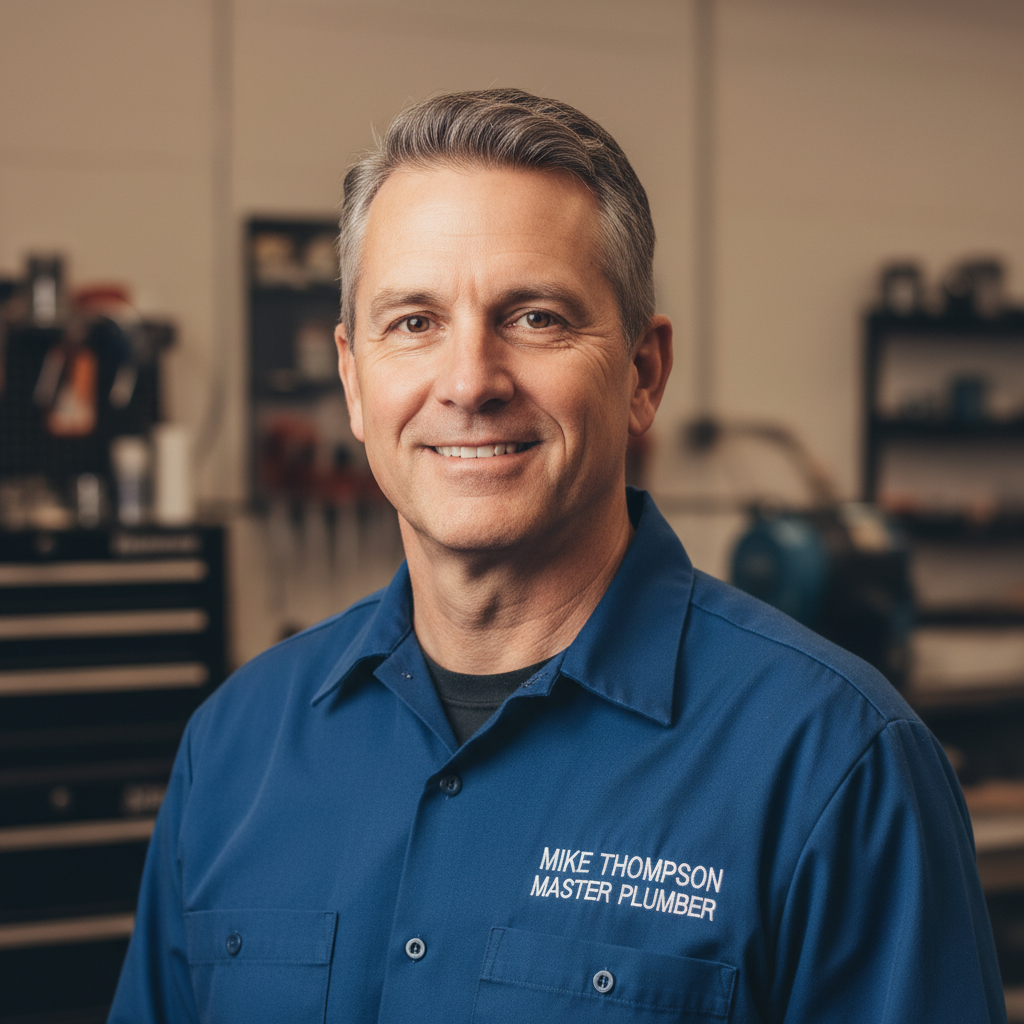
Mike Thompson
Master Plumber & Home Maintenance Expert
Mike has performed thousands of plumbing inspections across the GTA over 20+ years. He developed this 25-point checklist based on the most common issues found in Toronto homes and the problems that could have been prevented with regular maintenance.