
Quick Answer: How Much Does Backwater Valve Replacement Cost in Toronto?
Backwater valve replacement in Toronto costs $1,500 to $4,000+ depending on accessibility and complexity. Simple accessible replacements run $1,500-$2,200, while installations requiring concrete excavation cost $2,500-$4,000+. Need immediate help? Call (647) 554-4356.
Key Takeaways
- Backwater valves typically last 15-25 years before needing replacement
- Replacement costs $1,500-$4,000+ depending on accessibility
- City of Toronto permits required—licensed plumber must install
- Replace when valve is cracked, corroded, or repeatedly failing
- Modern normally-open valves easier to maintain than older designs
- Most installations completed in 1 day (6-8 hours)
I've replaced hundreds of backwater valves across Toronto, and there's one thing I always tell homeowners: a failing valve isn't something to patch up. When your backwater valve reaches the end of its life, replacement is the only real solution. The alternative? Sewage in your basement—and I've seen the heartbreak that causes.
This guide covers everything you need to know about backwater valve replacement in the GTA: when to replace, what it costs, the installation process, and how to choose the right valve. If you need immediate assessment, call (647) 554-4356 for a same-day inspection.
When Does a Backwater Valve Need Replacement?
Not every backwater valve problem requires full replacement. Sometimes a thorough cleaning or minor repair is sufficient. However, certain signs indicate the valve is beyond repair. Here's how to know when it's time:
🚨 Cracked or Broken Housing
ABS or PVC housings that show cracks, breaks, or visible deterioration cannot be repaired. Sewage can seep through even hairline cracks. This is the most common reason for replacement in older Toronto homes with cast iron or clay pipe connections.
🚨 Severe Corrosion
Metal components (hinges, flaps, fasteners) corrode over time from exposure to sewage gases and moisture. Once corrosion compromises the flap mechanism, the valve can't seal properly. Stainless steel valves resist corrosion better than older zinc-plated models.
🚨 Repeated Failures After Repairs
If you've had the same valve repaired 2-3 times in a few years, the underlying issue is likely valve age or design. Modern valves with better materials and engineering outperform repairs to aging equipment. Calculate repair costs vs. replacement—usually 3 repairs exceeds replacement cost.
⚠️ Valve Age Over 20 Years
Backwater valves installed before 2005 often use older materials and designs that don't meet current code. Even if functioning, proactive replacement prevents emergency situations. Many insurers offer premium discounts for documented valve upgrades.
⚠️ Can't Access for Maintenance
Some older installations buried valves in concrete without accessible covers. If you can't inspect or clean your valve, you can't verify it works. Replacement with a modern accessible installation is strongly recommended.
💡 Upgrading Valve Type
Older normally-closed valves require more maintenance and are prone to debris issues. Upgrading to a modern normally-open (gate-style) valve during planned renovations can prevent future problems and simplify maintenance.
💡 Pro Tip from Mike
Not sure if you need replacement? Request a camera inspection. We can assess valve condition from the inside and show you exactly what's happening. This $150-$300 diagnostic can save you from unnecessary replacement—or confirm it's urgent before you have a backup. Call (647) 554-4356 to book.
Backwater Valve Replacement Costs in Toronto
Replacement costs vary significantly based on your installation's accessibility and complexity. Here's what Toronto homeowners typically pay in 2025:
| Replacement Scenario | Cost Range | What's Included |
|---|---|---|
| Accessible Valve Replacement | $1,500 - $2,200 | Valve in accessible pit, minimal excavation |
| Standard Buried Replacement | $2,200 - $3,200 | Concrete cutting, valve, new access cover |
| Deep/Complex Installation | $3,200 - $4,500 | Extensive excavation, pipe work, restoration |
| New Installation (no existing) | $3,500 - $6,000 | Full excavation, pipe modification, valve, pit |
| Permit Fees (City of Toronto) | $150 - $250 | Required for all installations |
| Concrete Restoration | $300 - $600 | Sometimes included, sometimes additional |
What Affects Replacement Cost?
- Depth of existing installation: Deeper valves require more excavation and labor
- Pipe material compatibility: Connecting to cast iron vs. ABS/PVC affects complexity
- Floor finish: Tile, finished flooring, or storage areas increase restoration costs
- Access restrictions: Tight basement spaces, low ceilings, or obstacles slow work
- Valve type selected: Premium stainless steel components cost more than standard
- City inspection requirements: Some installations require pre-pour inspections
⚠️ Beware of "Budget" Quotes
Quotes significantly below $1,500 often exclude permits, proper materials, or restoration. Unpermitted work can void your home insurance, create selling complications, and leave you liable for code violations. Always ask: "Does this include the City permit and inspection?"
Choosing the Right Replacement Valve
Modern backwater valves come in several designs. For Toronto homes, here's what we recommend:
🏆 Normally-Open Gate Valve (Recommended)
The gold standard for residential installations. The flap hangs open during normal flow, only closing when backflow occurs. Less prone to debris clogs than normally-closed designs.
- Best For:
- Most Toronto homes
- Maintenance:
- Annual cleaning
- Lifespan:
- 20-25 years
- Cost:
- $400-$800 (valve only)
Normally-Closed (Spring-Loaded) Valve
Uses spring pressure to keep flap closed except when water pushes through. Requires more maintenance and is more sensitive to debris. Still used in some applications.
- Best For:
- Low-flow applications
- Maintenance:
- Quarterly cleaning
- Lifespan:
- 15-20 years
- Cost:
- $300-$600 (valve only)
Double Flapper (Dual Check) Valve
Two separate flappers for redundant protection. Required by some municipalities for high-risk installations. More complex but provides extra security.
- Best For:
- High-risk flood zones
- Maintenance:
- Semi-annual cleaning
- Lifespan:
- 20-25 years
- Cost:
- $600-$1,200 (valve only)
Material Considerations
- ABS plastic housing: Standard for residential, durable, affordable
- PVC housing: Alternative to ABS, similar durability
- Stainless steel internals: Resists corrosion, extends flap/hinge life
- Bronze/brass components: Traditional option, more expensive, excellent longevity
For most Toronto homes, we recommend a 4" ABS normally-open gate valve with stainless steel internals and an accessible cover. This combination provides reliable protection, easy maintenance, and 20+ year lifespan. Need help choosing? Call (647) 554-4356 for expert recommendations.
The Replacement Process: What to Expect
Understanding the installation process helps you prepare and set realistic expectations. Here's what happens during a typical backwater valve replacement in Toronto:
Initial Assessment & Preparation
Plumber locates existing valve, marks cutting lines, protects surrounding area. For finished basements, temporary barriers protect against dust. Utilities verified.
Concrete Cutting & Excavation
Using a concrete saw, the plumber cuts a rectangular opening around the old valve. Concrete and soil removed to expose the drain line. This is the dustiest phase—stay upstairs if possible. Proper dust control measures applied.
Old Valve Removal & Pipe Preparation
Old valve cut out, pipe ends cleaned and prepared for new connection. Any damaged or corroded pipe sections replaced. Proper slope verified for drainage.
New Valve Installation
New valve positioned at correct height with proper slope, connections made using approved fittings and cement. Flow direction verified. Accessible cover frame installed.
Testing & Backfill
Valve tested for proper operation and watertight seals. Pit backfilled with clean gravel for drainage. City inspection arranged if required before concrete pour.
Concrete Restoration
New concrete poured around access cover, leveled with existing floor. Full cure takes 24-48 hours—avoid placing heavy objects or walking on patch during this time.
📋 Before Installation Day
- ✓ Clear 6-8 feet around the valve area
- ✓ Move stored items and valuables away from work zone
- ✓ Ensure basement access for equipment
- ✓ Plan to minimize plumbing use during installation
- ✓ Protect sensitive electronics and furniture from dust
- ✓ Have cleaning supplies ready for any dust that escapes barriers
City of Toronto Permit Requirements
All backwater valve replacements in Toronto require a plumbing permit. Here's what you need to know:
Permit Process
- Application: Licensed plumber applies on your behalf (or you can apply at 311)
- Fee: $150-$250 depending on scope
- Inspection: City inspector verifies installation before concrete closure
- Documentation: Permit record becomes part of property history
Why Permits Matter
- Insurance claims: Unpermitted work may void sewer backup coverage
- Home sales: Buyers' inspectors check for permit records
- Code compliance: Ensures installation meets current standards
- Warranty validity: Many manufacturers require permitted installation
⚠️ Don't Skip the Permit
I've seen homeowners pay twice when unpermitted work required re-installation for a home sale. The permit costs $150-$250—far less than the $3,000+ to rip out and redo improper work. At Water Pro, permits are always included in our quotes.
Repair vs. Replace: Making the Decision
Sometimes repair makes sense. Often, replacement is the smarter investment. Here's how to decide:
✅ Consider Repair When...
- • Valve is under 10 years old
- • Housing is intact, issue is flap/hinge only
- • First-time problem
- • Replacement parts available
- • Repair costs under 40% of replacement
Repair cost: $150-$600
🏆 Replace When...
- • Valve is 15+ years old
- • Housing is cracked or corroded
- • Second or third repair needed
- • Parts no longer available
- • Can't access for maintenance
- • Valve type outdated
Best long-term value
💡 The 50% Rule
If repair costs exceed 50% of replacement cost, replace instead. You get a new valve with 20+ year lifespan, updated technology, and fresh warranty—versus extending an aging valve's life by only a few years.
Toronto Basement Flooding Protection Subsidy
Good news for Toronto homeowners: the City offers financial assistance for backwater valve installation through the Basement Flooding Protection Subsidy Program.
💰 Available Rebates (2025)
- • Backwater valve installation/replacement: Up to $1,250
- • Sump pump installation: Up to $1,750
- • Combined backwater valve + sump pump: Up to $3,000
- • Eligibility: Property owners with homes built before 2012
- • Requirement: Work must be done by licensed plumber with permit
We help Toronto homeowners apply for this subsidy—our team handles the paperwork and ensures installations meet all program requirements. Call (647) 554-4356 to discuss eligibility.
Frequently Asked Questions
Backwater valve replacement in Toronto costs $1,500-$4,000+ depending on accessibility, valve type, and required concrete work. Simple accessible replacements start around $1,500, while complex installations requiring floor excavation can exceed $4,000.
A properly maintained backwater valve typically lasts 15-25 years. However, valves in high-use situations or those experiencing frequent debris may need replacement sooner. Regular annual maintenance can extend valve life significantly.
Backwater valve replacement is not a DIY project. It requires breaking concrete, working with sanitary sewer connections, proper slope installation, and City of Toronto permit compliance. Professional installation ensures code compliance and valid insurance coverage.
Yes, the City of Toronto requires a plumbing permit for backwater valve replacement. A licensed plumber must obtain the permit and arrange for inspection. Unpermitted work can void insurance claims and create issues when selling your home.
For Toronto homes, we recommend normally-open gate valves with accessible covers for easy maintenance. The specific type depends on pipe diameter, installation location, and usage. ABS or PVC materials are standard for residential applications.
Standard home insurance typically doesn't cover backwater valve replacement as a standalone project. However, if replacement is needed due to covered water damage, some portion may be included. Many Toronto insurers require backwater valves for sewer backup coverage.
Ready for Your Backwater Valve Replacement?
A failing backwater valve puts your basement—and everything in it—at risk. Whether you've noticed warning signs or your valve is simply reaching the end of its lifespan, replacement provides reliable protection for decades to come.
Water Pro has replaced hundreds of backwater valves across Toronto, from century homes in The Annex to modern builds in North York. Our installations include City permits, proper materials, and our 90-day workmanship guarantee.
Need Backwater Valve Replacement?
Licensed plumbers available across the GTA. Free estimates, City permits included.
📞 Call (647) 554-4356Same-day assessments • 90-day guarantee • 5,234+ families helped
Related Articles
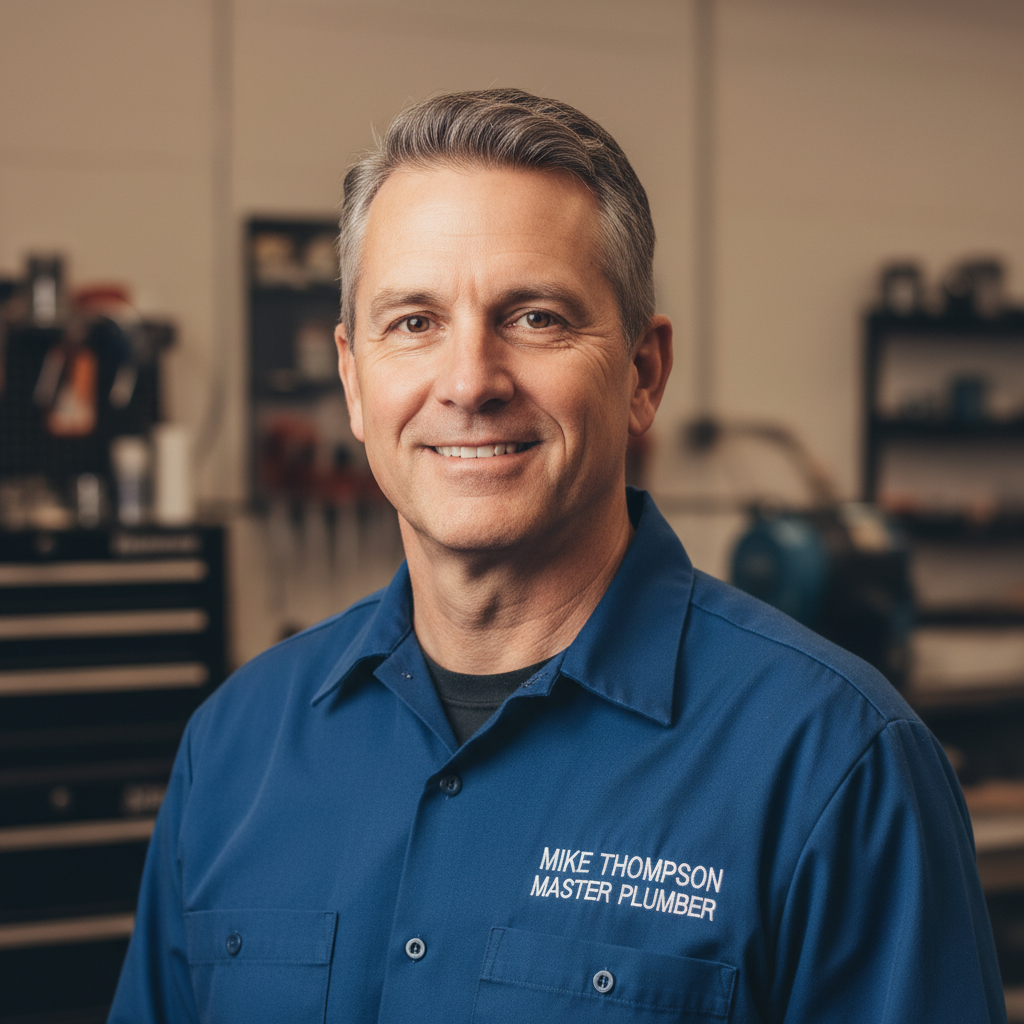
About Mike Thompson
Master Plumber • License #MP-2847 • 28 Years Experience
Mike specializes in basement flood protection systems including backwater valves and sump pumps. He's helped thousands of Toronto homeowners protect their homes from sewer backups and is a certified City of Toronto subsidy program installer.