
Quick Answer: What's the Difference?
A backwater valve is installed on your sewer line to prevent municipal sewer backup during floods or system overloads—it's specifically designed for sanitary waste and is required by Toronto building code. A check valve is a general plumbing device that prevents reverse flow in any water line (supply lines, sump pumps, etc.) but is not designed for sewer backup protection.
Key Takeaways
- Backwater valves protect against sewer backup; check valves prevent general reverse flow
- Toronto requires backwater valves on sewer connections (not check valves)
- Check valves can't replace backwater valves—they serve different purposes
- Backwater valve installation: $1,500-$4,000 | Check valve: $150-$400
- City of Toronto offers up to $1,250 rebate for backwater valve installation
- Using the wrong valve type can void your insurance coverage
I get this question at least twice a week: "My neighbor said I just need a check valve, not a backwater valve. Is that true?" The short answer is no—but the confusion is understandable. Both valves prevent something from flowing backward, but that's where the similarity ends.
Getting this wrong can cost you thousands in flood damage and insurance claim denials. Let me explain exactly what each valve does and which one (or both) you actually need. Have questions about your specific situation? Call (647) 554-4356 for a free assessment.
What Is a Backwater Valve?
Backwater Valve (Mainline Backflow Preventer)
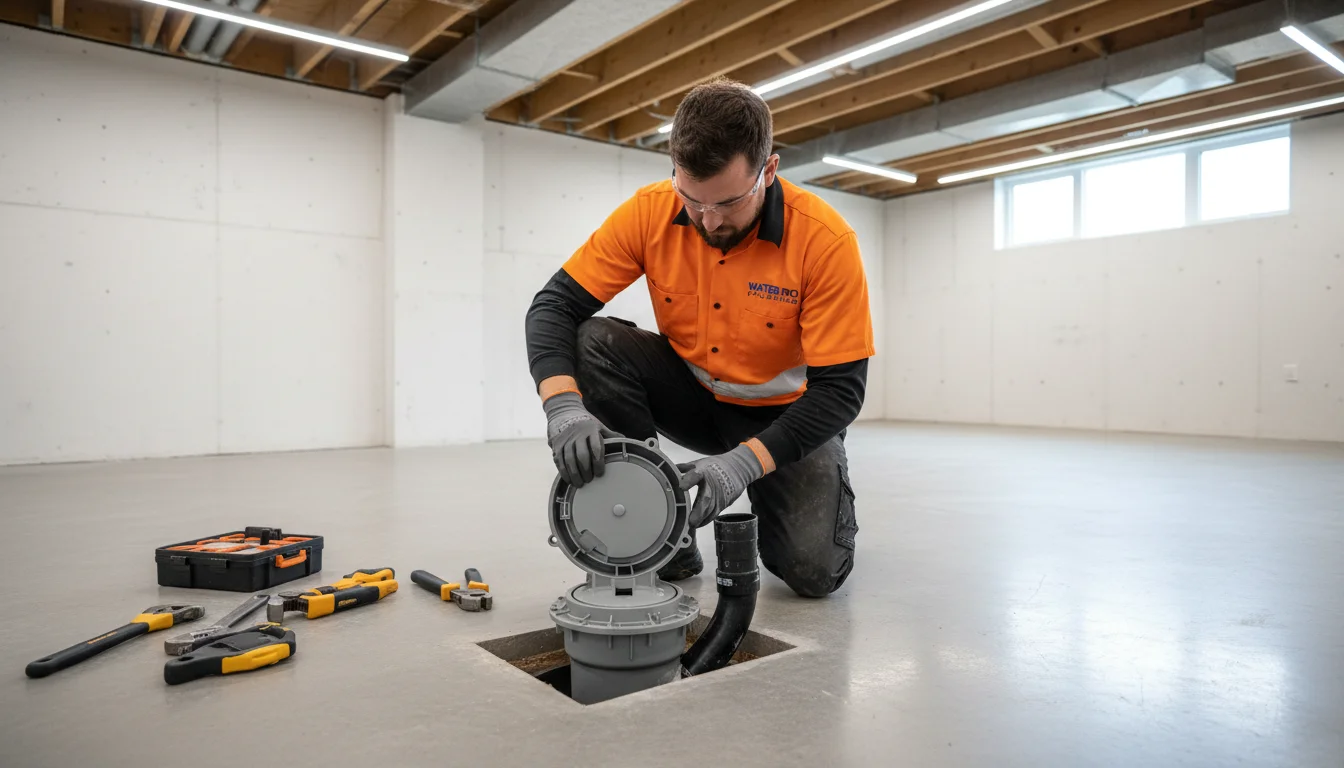
A backwater valve is a specialized valve installed on your home's main sewer line. It allows wastewater to flow out to the municipal sewer but automatically closes when sewage tries to flow back into your home.
Main sewer drain, usually in basement floor or crawlspace
Prevents municipal sewer backup during storms or system overloads
Normally open (gravity), normally closed (positive seal)
Mandatory for new construction since 2014
During heavy rainstorms or when the municipal sewer system becomes overwhelmed, pressure can build up in the city sewer lines. Without a backwater valve, this pressure pushes raw sewage backward through your drain pipes and into your basement—through floor drains, toilets, sinks, and showers.
The City of Toronto has experienced this firsthand. Major flooding events in 2013 and 2018 caused over $1 billion in damage to GTA homes—most of which could have been prevented with properly installed backwater valves.
What Is a Check Valve?
Check Valve (Non-Return Valve)
A check valve is a general-purpose plumbing device that allows fluid to flow in one direction only. It's used throughout plumbing systems wherever reverse flow could cause problems—but it's not designed for sewage or waste applications.
Sump pump discharge, water supply lines, water heaters, irrigation
Prevents backflow in clean water systems
Swing, spring, ball, lift, diaphragm
Required on sump pump discharge; does NOT replace backwater valve
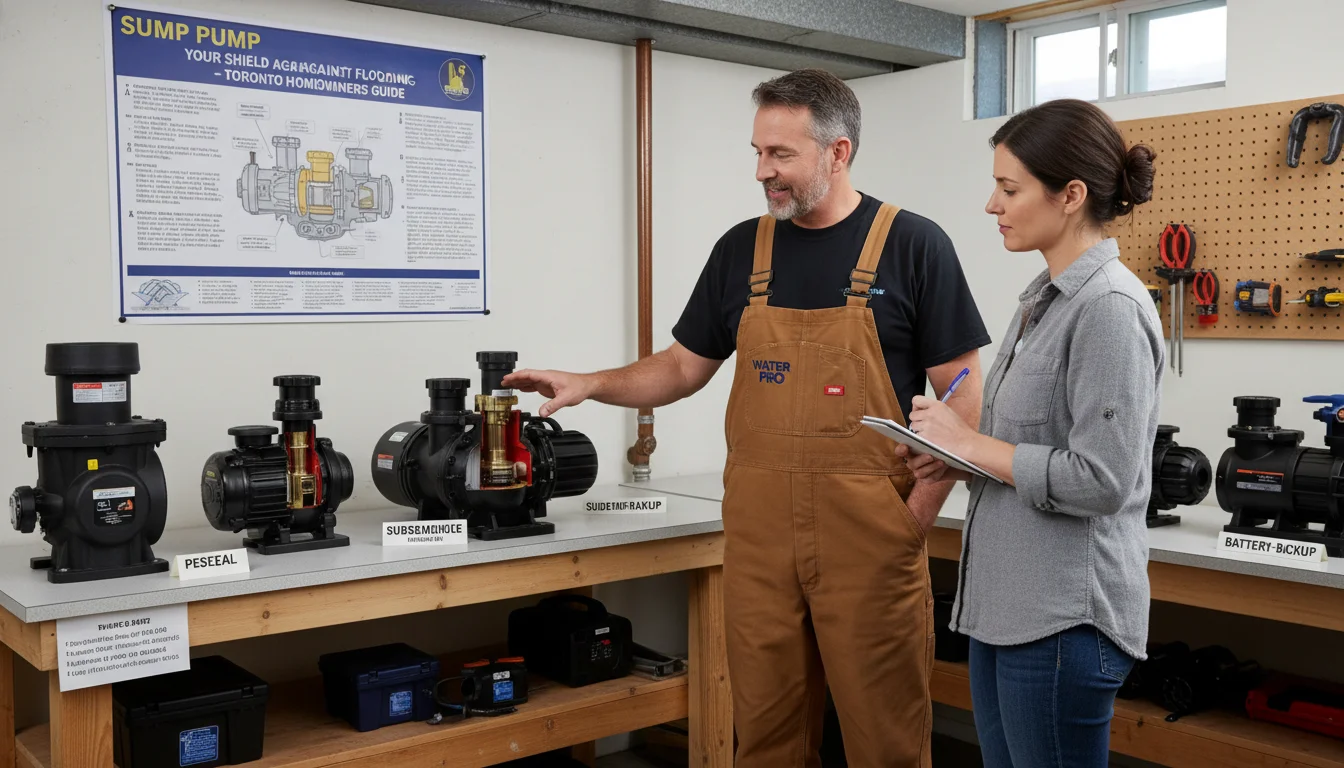
Check valves are workhorses in plumbing systems. Your sump pump has one to prevent pumped water from flowing back into the pit. Your water heater may have one to prevent hot water from entering cold supply lines. But these valves aren't designed to handle solid waste, and they're not built to withstand the pressure and corrosive conditions of municipal sewer systems.
Side-by-Side Comparison
| Feature | Backwater Valve | Check Valve |
|---|---|---|
| Primary Purpose | Prevents sewer backup from municipal system | Prevents reverse flow in water/supply lines |
| Handles Solid Waste | Yes ✓ - Designed for sanitary waste | No ✗ - Clean water only |
| Installation Location | Main sewer drain line (basement floor) | Supply lines, sump pumps, water heaters |
| Toronto Building Code | Required for sewer backup protection | Required for specific applications only |
| City Rebate Eligible | Yes - Up to $1,250 | No |
| Valve Cost | $150 - $600 | $20 - $200 |
| Installed Cost | $1,500 - $4,000 | $150 - $400 |
| Maintenance Required | Annual inspection, periodic cleaning | Minimal - check for wear every few years |
| Insurance Recognition | Yes - May reduce premiums | Usually not for flood coverage |
⚠️ Critical Warning: Don't Substitute These Valves
Installing a check valve in place of a backwater valve is a code violation that can void your home insurance. If you file a basement flooding claim and the adjuster finds a check valve instead of a proper backwater valve, your claim will likely be denied. I've seen this happen to homeowners who were given bad advice—don't let it happen to you. Questions? Call (647) 554-4356.
When Do You Need Each Valve?
You Need a Backwater Valve If:
🏠 Your Home Has Basement Fixtures Below Street Level
Floor drains, toilets, sinks, or laundry in your basement that connect to the sewer system.
→ Backwater valve is REQUIRED by Toronto code
🌧️ You've Experienced Sewer Backup During Storms
Water or sewage has come up through basement drains during heavy rain.
→ Backwater valve is ESSENTIAL for prevention
📍 You Live in a Flood-Prone Toronto Area
Neighborhoods like The Beaches, Leaside, North York (Black Creek area), or areas with combined sewers.
→ Backwater valve is HIGHLY RECOMMENDED
🏗️ You're Renovating or Building New
Adding a basement bathroom, finishing a basement, or new construction.
→ Backwater valve is MANDATORY (Toronto Building Code)
You Need a Check Valve If:
💧 You Have a Sump Pump
Sump pump removes groundwater from around your foundation.
→ Check valve prevents water from flowing back into the pit when pump stops
🔥 You Have a Tankless Water Heater
Hot water could flow backward into cold supply lines.
→ Check valve prevents thermal crossover
🌱 You Have an Irrigation System
Outdoor irrigation connects to municipal water supply.
→ Check valve (backflow preventer) prevents contamination of drinking water
💡 Pro Tip from Mike
Many Toronto homes need both valves—a backwater valve on the sewer line AND a check valve on the sump pump discharge. These protect against two different problems: sewer backup and sump pump cycling. Need an assessment? Call (647) 554-4356 for a free inspection.
Cost Comparison
Backwater Valve Costs
Check Valve Costs
Toronto Building Code Requirements
Since 2014, Toronto's building code has required backwater valves on sewer connections for all new construction and major renovations. Here's what you need to know:
When Backwater Valves Are Mandatory:
- New home construction - All homes built since 2014
- Basement bathroom additions - Adding any fixture below grade
- Major basement renovations - Work requiring plumbing permits
- Sewer line replacement - Most municipalities require during repair
Voluntary Installation (Highly Recommended):
- Older homes - Pre-2014 homes without existing backwater valves
- Flood history - Homes that have experienced sewer backup
- Combined sewer areas - Higher risk during storms
💰 Toronto Basement Flooding Protection Subsidy
The City of Toronto offers rebates for voluntary installation of flood protection devices:
- • Backwater valve: Up to $1,250 rebate
- • Sump pump: Up to $1,750 rebate
- • Combined installation: Up to $3,400 total rebate
- • Eligibility: Detached, semi-detached, and townhomes
- • Requirement: Must use licensed plumber for installation
How to Identify Which Valve You Have
Not sure what's installed in your home? Here's how to tell the difference:
Finding a Backwater Valve:
- Look in your basement floor - Usually near the main sewer cleanout
- Find the access cover - Round or rectangular metal/plastic cover (6-8" diameter)
- Check the mechanical room - Near water heater, furnace, or laundry area
- Look for a clear/see-through lid - Many modern valves have visible flap
Finding a Check Valve:
- Trace your sump pump discharge line - Check valve usually within 12" of pump
- Look for an arrow on the valve body - Indicates flow direction
- Check water heater connections - May be on cold water inlet
Still Not Sure What You Have?
A 15-minute inspection can identify all valves in your home and confirm if you're protected.
📞 Schedule Free Inspection: (647) 554-4356Common Mistakes Homeowners Make
❌ Mistake #1: Using Check Valve Instead of Backwater Valve
Check valves aren't designed for sewage. They'll clog with solid waste, fail under pressure, and won't meet code requirements. This is the most expensive mistake—it leaves your home unprotected AND voids insurance coverage.
❌ Mistake #2: Assuming One Valve Protects Everything
A backwater valve protects against sewer backup, but it doesn't protect your sump pump pit. If you have a sump pump, you need a check valve on the discharge line to prevent back-siphoning.
❌ Mistake #3: Skipping Maintenance
Backwater valves need annual inspection and cleaning. A stuck valve provides zero protection. Check valves should be inspected every 2-3 years. Maintenance is cheap; flooding isn't.
❌ Mistake #4: DIY Installation Without Permits
Backwater valve installation requires a plumbing permit in Toronto. Unpermitted work voids rebate eligibility, may void insurance, and creates problems when selling your home.
Frequently Asked Questions
A backwater valve is specifically designed for sewer lines to prevent municipal sewer backup into your home during flooding or overloaded systems. A check valve is a general plumbing device that prevents reverse flow in any water or gas line. Backwater valves are installed in sewer drains; check valves can be installed anywhere reverse flow must be prevented.
Yes, Toronto's building code requires backwater valves on sewer connections for new construction and major renovations since 2014. The City also offers a rebate program covering up to $1,250 for voluntary backwater valve installation in existing homes through the Basement Flooding Protection Subsidy Program.
No, a standard check valve should not replace a backwater valve for sewer backup protection. Backwater valves are specifically designed for sanitary sewer conditions with solid waste, while check valves are designed for cleaner water applications. Using the wrong valve type can void insurance coverage and violate building codes.
Backwater valves cost $150-$600 for the valve alone, with professional installation totaling $1,500-$4,000. Check valves cost $20-$200 for the valve, with installation typically $150-$400. Backwater valve installation is more complex because it requires cutting into the sewer main and often excavation.
You may need both depending on your plumbing setup. A backwater valve protects against sewer backup on your main drain line. Check valves may be needed on sump pump discharge lines, water supply lines, or other specific applications. A licensed plumber can assess your home's needs.
Backwater valves are installed on sewer lines, typically in the basement floor or mechanical room with an access cover for maintenance. Check valves are smaller and found on supply lines, sump pump discharge, or water heater connections. If you're unsure, a licensed plumber can inspect and identify your valves.
The Bottom Line
While backwater valves and check valves both prevent reverse flow, they are not interchangeable. A backwater valve protects against sewer backup and is required by Toronto building code. A check valve prevents backflow in water lines and sump pumps but cannot replace a backwater valve.
For most Toronto homes with basements, you need at least a backwater valve on your sewer line. If you also have a sump pump, add a check valve on the discharge. This combination provides comprehensive flood protection and meets all code requirements.
The good news? Toronto's rebate program can cover up to $1,250 of your backwater valve installation cost. Combined with insurance premium reductions, proper protection often pays for itself within a few years.
Need Valve Installation or Inspection?
Licensed plumbers available for backwater valve installation, check valve repair, and flood protection assessments.
📞 Call (647) 554-4356Free estimates • Rebate assistance • 90-day guarantee
Related Articles


About Mike Thompson
Master Plumber • License #MP-2847 • 28 Years Experience
Mike has installed over 2,000 backwater valves across the GTA since Toronto introduced its rebate program. He specializes in flood prevention systems and helps homeowners navigate City of Toronto subsidy applications.
🏆 2024 Toronto Flood Protection Contractor of the Year