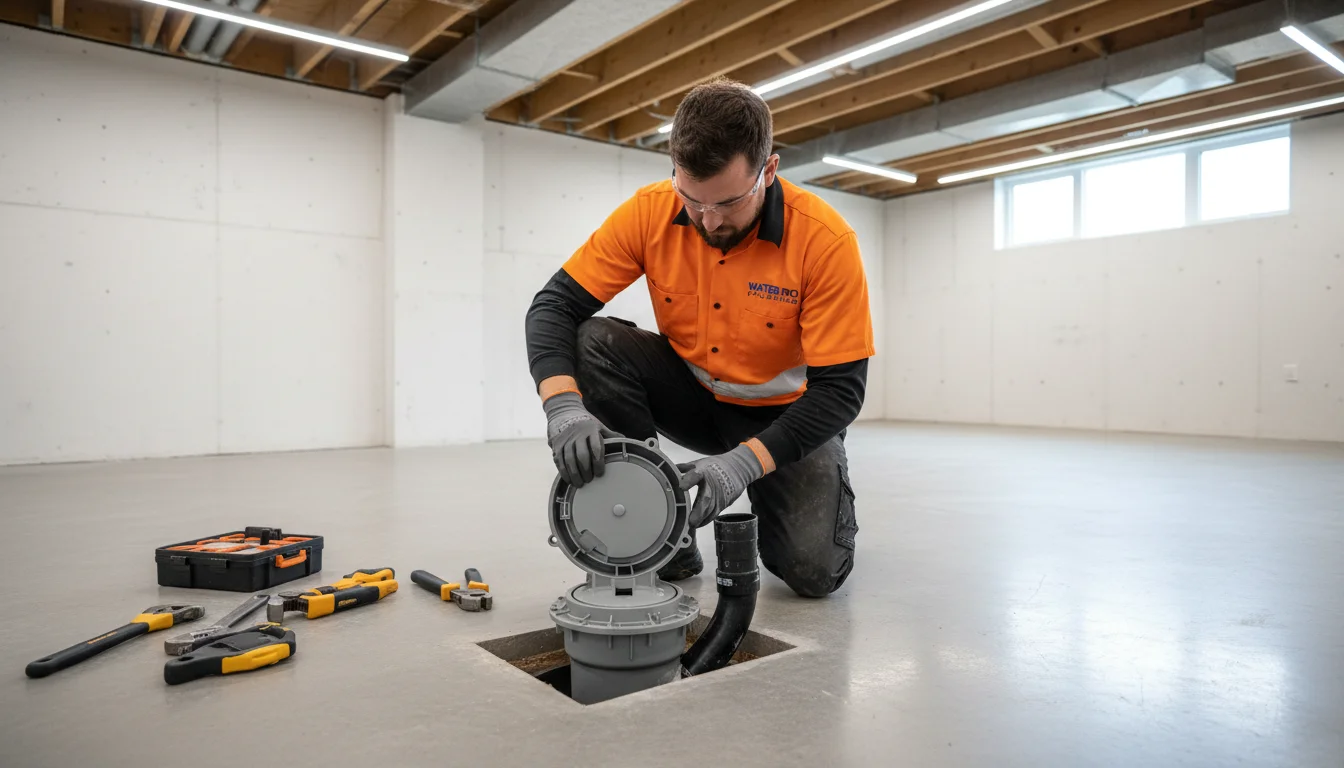
Quick Answer: How Does a Backwater Valve Work?
A backwater valve uses a hinged flap gate or floating ball that allows wastewater to flow OUT of your home normally, but automatically closes when water pressure reverses. When the city sewer backs up, sewage pushes against the valve from outside, forcing the gate shut and blocking sewage from entering your basement. It's essentially a one-way door for your sewer line.
Key Takeaways
- Backwater valves are one-way gates that prevent sewer backup
- They use gravity and water pressure to operate automatically
- Three main types: normally open, normally closed, and combination
- No power or electricity required—purely mechanical operation
- Annual maintenance keeps them working properly
- Toronto offers up to $3,400 rebate for installation
When heavy rain overwhelms Toronto's sewer system, water has to go somewhere. Without protection, that somewhere is often your basement—bringing raw sewage with it. A backwater valve is your last line of defense, but many homeowners don't understand how it actually works.
After installing hundreds of backwater valves across the GTA, I've learned that homeowners who understand the mechanics are better at maintaining their valves and catching problems early. Let me break down exactly what happens when that valve saves your basement.
Need a backwater valve installed? Call (647) 554-4356 for a free assessment and help with the Toronto rebate program.
The Basic Mechanics: How It Actually Works
At its core, a backwater valve is remarkably simple. Think of it like a door that only swings one direction. Here's what happens during normal operation and during a backup event:
Normal Flow vs. Backflow
Normal Flow
Water from your home pushes the flap open and flows to the city sewer
Backflow Blocked
City sewer pressure pushes the flap closed, blocking reverse flow
Step-by-Step: Normal Operation
1Wastewater exits your home
When you flush a toilet, run a shower, or use any drain, wastewater flows down through your home's drain system toward the main sewer line.
2Water reaches the backwater valve
The wastewater encounters the backwater valve, which is installed in your main sewer line (usually in the basement floor).
3Outgoing pressure opens the flap
The weight and pressure of the outgoing water pushes the valve's flap gate open, allowing water to flow through toward the city sewer.
4Gravity closes the flap after flow stops
Once the water passes, gravity pulls the flap back to its resting position (closed or partially open, depending on valve type).
Step-by-Step: During a Sewer Backup
1City sewer overloads
Heavy rain, combined sewer overflow, or downstream blockage causes pressure to build in the city's sewer main.
2Sewage pushes toward your home
The overwhelmed sewer tries to find relief by pushing water (and sewage) back up through connected lines—including yours.
3Backpressure forces the valve closed
As sewage pressure hits the backwater valve from the outside, it pushes the flap gate firmly shut, sealing the connection.
4Your basement stays dry
With the valve sealed, sewage cannot enter your home. The backup goes elsewhere in the system instead of into your basement.
💡 The Physics Explained
The beauty of a backwater valve is that it uses the backup pressure against itself. The harder the city sewer pushes, the tighter the seal becomes. This is why properly installed valves don't need electricity or batteries—the same force trying to flood your basement is what keeps it dry.
Types of Backwater Valves Explained
Not all backwater valves work the same way. Understanding the differences helps you choose the right type for your home and maintain it properly.
| Valve Type | How It Works | Best For | Cost Range |
|---|---|---|---|
| Normally Open (Gravity) | Hinged flap rests open, closes when backflow occurs | Standard residential, high-flow lines | $150-$400 |
| Normally Closed | Flap stays closed, opens only during outflow | Low-flow situations, floor drains | $100-$300 |
| Combination (Double) | Uses both flapper AND floating ball | Maximum protection, high-risk areas | $300-$600 |
| Inline/Full-Bore | No restriction when open, gate drops for closure | Main sewer lines, high-capacity needs | $400-$800 |
Normally Open (Gravity) Valves
The most common type in Toronto homes. The hinged flap rests in a partially open position, allowing free water flow. When backpressure occurs, the flap swings closed and seals against a rubber gasket.
Pros: Minimal flow restriction, self-cleaning action, easy to inspect
Cons: Requires slight slope for gravity operation, debris can prevent closure
Normally Closed Valves
The flap stays closed by default and only opens when outgoing water pushes against it. Often used for floor drains where flow is intermittent.
Pros: Extra security, good for low-use drains
Cons: Can stick closed if unused, slightly restricts flow
Combination (Double Protection) Valves
Uses two closure mechanisms: a hinged flapper AND a floating ball. If the flapper fails to seal completely, the floating ball rises with incoming water and creates a secondary seal.
Pros: Redundant protection, catches debris that might block single flapper
Cons: More complex, more parts to maintain
Where Backwater Valves Are Installed
The location of your backwater valve affects both its effectiveness and accessibility for maintenance.
Standard Location: Basement Floor
Most backwater valves are installed in the basement floor, directly in the main sewer line before it exits your home. This protects all fixtures above the valve from backup.
- Usually within 1-2 meters of where the sewer line exits the foundation
- Installed in a concrete pit with a removable access cover
- Cover must remain accessible for annual inspection
What About Basement Floor Drains?
Here's a critical point many homeowners miss: if your basement floor drain connects to the sewer line BELOW the backwater valve, it's not protected. Water can still back up through that floor drain even with a backwater valve installed.
⚠️ Floor Drain Warning
If your floor drain is below or downstream of your backwater valve, you may need a separate floor drain check valve or to have the floor drain replumbed to connect above the main backwater valve. This is a common issue in older Toronto homes. Call (647) 554-4356 for an assessment.
Maintenance: Keeping Your Valve Working
A backwater valve that's never been checked is a backwater valve that might fail when you need it most. Here's how to keep yours in working order.
Annual Inspection Checklist
- Remove the access cover — Clean any debris from around the cover first
- Visually inspect the flap — Should swing freely without obstruction
- Check the seal/gasket — Look for cracks, deterioration, or debris on the sealing surface
- Test the flap movement — Gently push the flap open and closed; it should move smoothly
- Clean visible debris — Remove any buildup on the flap, seat, or in the valve body
- Inspect for corrosion — Especially on metal components
- Replace the cover securely — Ensure it sits flush with the floor
Signs Your Valve Needs Professional Attention
- Flap won't swing freely or is stuck
- Visible cracks in the valve body
- Deteriorated or missing rubber seal
- Corrosion eating through components
- Sewage odor coming from the valve
- Water pooling around the access cover
💡 Pro Tip: Best Time for Maintenance
Inspect your backwater valve in early spring, before heavy rain season. This gives you time to address any issues before your basement is at highest risk. If you haven't checked yours in over a year, schedule an inspection with Water Pro at (647) 554-4356.
Why Backwater Valves Fail
When backwater valves don't work, there's usually a specific reason. Understanding failure modes helps you prevent them.
1. Debris Blocking the Flap
The most common failure. Wipes, sanitary products, grease buildup, or foreign objects get caught on the flap and prevent it from closing fully. Even a small gap lets sewage through.
Prevention: Never flush wipes (even "flushable" ones), install drain screens, and run hot water with dish soap weekly through kitchen drains.
2. Deteriorated Seal
The rubber gasket that the flap closes against degrades over time—especially if exposed to harsh drain cleaners or chemicals. A deteriorated seal can't form a watertight closure.
Prevention: Avoid chemical drain cleaners, use enzyme-based alternatives, and replace seals every 5-7 years or when visibly cracked.
3. Incorrect Installation Angle
Backwater valves must be installed with the correct slope. Too flat and the flap won't close properly; too steep and debris can accumulate.
Prevention: Always use a licensed plumber who understands proper installation. This is not a DIY project.
4. Stuck in Open Position
If the valve sits unused for long periods (vacation home, rarely-used floor drain), the flap can corrode or stiffen in the open position.
Prevention: Manually cycle the flap during annual inspection; run water through seldom-used drains monthly.
Toronto Rebate Program
Toronto's Basement Flooding Protection Subsidy Program reimburses homeowners for backwater valve installation—potentially covering the entire cost.
What's Covered
- Up to $1,750 for backwater valve installation
- Up to $1,750 for sump pump installation
- Up to $3,400 total if both are installed
Eligibility Requirements
- Property must be within City of Toronto boundaries
- Work must be done by a licensed plumber
- Permit must be obtained (plumber handles this)
- Application submitted within 90 days of work completion
We handle the rebate paperwork. Water Pro manages the permit and rebate application process for all our backwater valve installations. Call (647) 554-4356 to learn more.
Frequently Asked Questions
A backwater valve uses a hinged flap or floating ball that allows water to flow out of your home normally, but automatically closes when water tries to flow backward from the city sewer. When sewage pressure pushes against the valve from outside, the gate seals shut, preventing backup into your basement.
The three main types are: 1) Normally Open (gravity) valves with a hinged flap that closes when backflow occurs, 2) Normally Closed valves that only open during outflow, and 3) Combination valves that use both a flapper and floating ball for double protection. Most Toronto homes use normally open valves.
Backwater valves should be inspected and cleaned at least once per year, ideally in spring before heavy rain season. Check that the flap swings freely, remove any debris from the valve body, and ensure the seal is clean. Professional inspection every 2-3 years is recommended.
Backwater valve installation requires cutting into your basement floor, connecting to your sewer line, and obtaining permits. While handy homeowners can do it, most municipalities including Toronto require licensed plumber installation for permit approval and to qualify for the city rebate program.
Backwater valves fail due to: debris blocking the flap from closing, deteriorated rubber seals, corrosion from harsh chemicals, improper installation angle, or the flap getting stuck in the open position. Regular annual maintenance prevents most failures.
Toronto does not mandate backwater valves for existing homes, but strongly recommends them. New construction and major renovations may require them. The City offers up to $3,400 rebate through the Basement Flooding Protection Subsidy Program, making installation essentially free for many homeowners.
The Bottom Line
A backwater valve is a simple mechanical device that uses physics to protect your home. The outgoing water pushes the flap open; incoming sewage pressure forces it closed. No batteries, no electricity—just reliable gravity and pressure dynamics.
The key to keeping it working is annual maintenance and understanding what can go wrong. Check your valve every spring, keep debris out of your drains, and address any issues before heavy rain season.
Don't have a backwater valve yet? With Toronto's rebate covering most of the cost, there's never been a better time to protect your basement. Call (647) 554-4356 for a free assessment.
Need a Backwater Valve?
Get up to $3,400 rebate from Toronto. We handle the paperwork.
📞 Call (647) 554-4356Free assessment • Licensed plumbers • 90-day guarantee
Related Articles
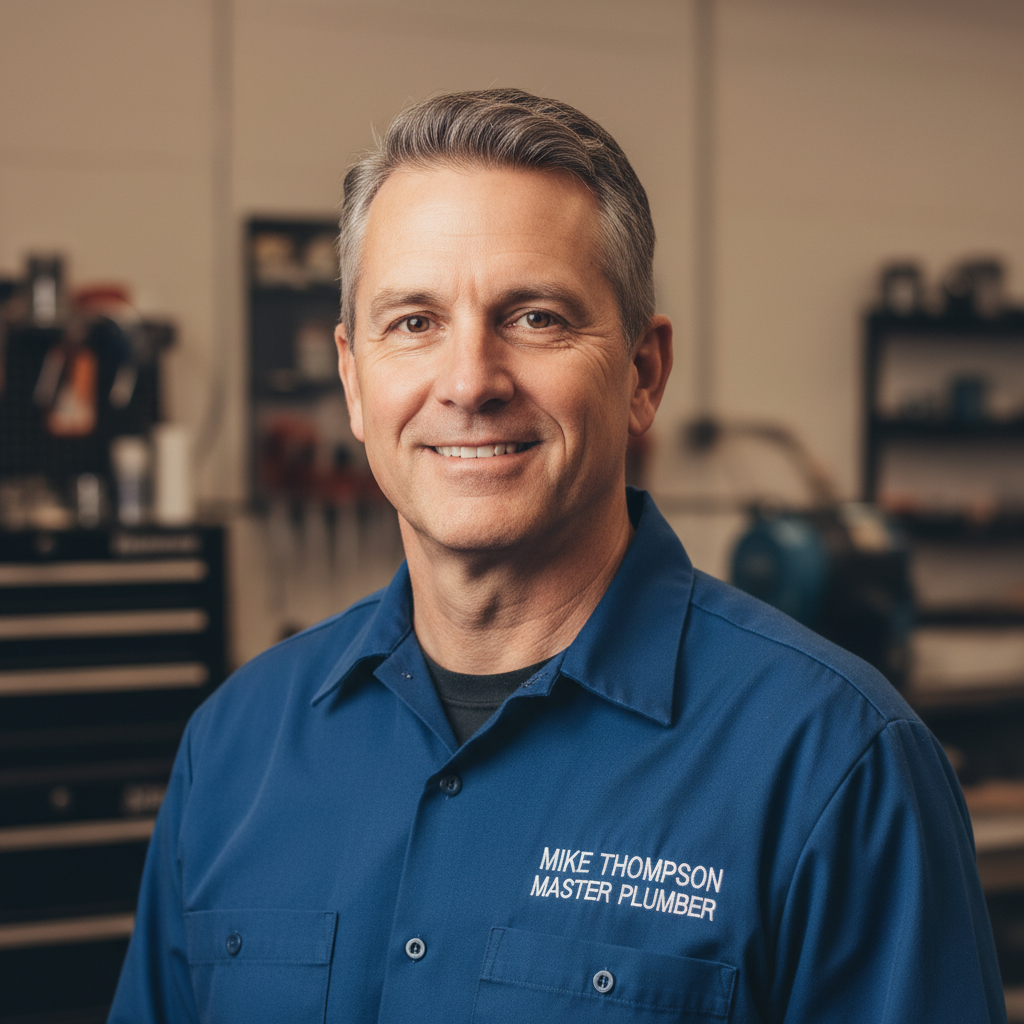
About Mike Thompson
Master Plumber • License #MP-2847 • 28 Years Experience
Mike has installed hundreds of backwater valves across the GTA and helps homeowners navigate the Toronto rebate program. He specializes in basement flood prevention and sewer backup solutions.
View Full Profile →