
Quick Answer: When Is It a Real Emergency?
Call immediately for: burst pipes, complete loss of water, sewer backup into your home, gas smell, water heater flooding, or frozen pipes. These problems cause thousands in damage per hour if ignored. For 24/7 emergency service in Toronto, call (647) 554-4356.
Key Takeaways
- Burst pipes can release 400+ gallons per hour—shut off water immediately
- Sewer gas smell may indicate dangerous methane buildup
- Multiple slow drains = main line emergency, not minor clog
- Water damage costs 10-50x more than emergency plumber fees
- Know your shut-off valve location BEFORE emergencies happen
- Some "emergencies" can safely wait until regular business hours
At 2 AM on a January night, a North York homeowner heard a strange hissing sound in her basement. She ignored it, thinking it was just the furnace. By morning, she had 3 inches of water on her basement floor and $28,000 in damage. A burst pipe that could have been stopped in minutes became a nightmare that took months to repair.
After 28 years of emergency plumbing calls across the GTA, I've learned one thing: knowing the difference between "call now" and "call Monday" can save you tens of thousands of dollars—and a lot of stress. Here are the 10 warning signs that mean you need help immediately.
Critical Emergencies: Call Right Now
These situations require immediate professional help. Every minute counts.
1. Burst or Broken Pipes
CRITICALSigns: Spraying water, water stains spreading rapidly on walls/ceilings, unexplained puddles, sudden loss of water pressure, hissing or rushing water sounds behind walls.
Why it's critical: A burst pipe can release 400+ gallons per hour. In Toronto's winters, frozen pipes that burst cause the majority of major water damage claims.
Immediate action: Turn off the main water supply. Don't try to repair yourself—the damage will continue through ceiling and floors.
2. Sewer Backup Into Home
CRITICALSigns: Sewage coming up through drains, foul smell from multiple drains, toilets bubbling or overflowing when you run water elsewhere, basement drain flooding.
Why it's critical: Raw sewage contains dangerous bacteria and pathogens. It's a biohazard that requires professional cleanup. The longer sewage sits, the more it penetrates porous materials (drywall, wood, carpet), requiring complete replacement.
Immediate action: Stop using ALL water in the home. Don't flush toilets. Keep children and pets away from affected areas.
3. Gas Leak Smell
LIFE-THREATENINGSigns: Rotten egg or sulfur smell, hissing near gas lines, dead plants near gas line route, physical symptoms (headache, dizziness, nausea).
Why it's critical: Natural gas is explosive. A single spark can cause a catastrophic explosion. This is a life-threatening emergency.
Immediate action:
- 1. Leave the building immediately
- 2. Do NOT use light switches, phones, or any electronics inside
- 3. Call Enbridge Gas: 1-866-763-5427 from OUTSIDE
- 4. Do not return until cleared by emergency services
4. Complete Loss of Water
CRITICALSigns: No water from any faucet, sudden drop to no pressure, air sputtering from taps followed by nothing.
Why it's critical: Complete water loss usually means a major break in your main water line—often underground and flooding your yard or foundation. In winter, it could indicate a frozen main that needs immediate attention before it bursts.
Immediate action: Check with neighbors. If they have water, the problem is on your property. Call immediately—water main breaks require excavation expertise.
5. Water Heater Failure with Flooding
CRITICALSigns: Water pooling around water heater, tank making loud popping/rumbling sounds, rusty water, visible rust or corrosion on tank, water heater leaking from top or bottom.
Why it's critical: A standard 40-gallon water heater holds 330+ pounds of water. If the tank ruptures, that water goes everywhere. Worse, failing water heaters can become pressurized and explode in rare cases.
Immediate action: Turn off the water heater (gas valve or electrical breaker). Turn off the cold water supply to the heater. Do not attempt to drain or repair yourself.
🚨 Before the Plumber Arrives: Your Emergency Checklist
- 1. Locate your main shut-off valve (usually near the water meter or where the main line enters your home)
- 2. Turn off water if there's an active leak
- 3. Turn off electricity to affected areas if water is near electrical
- 4. Document the damage with photos for insurance
- 5. Move valuables away from water if safe to do so
- 6. Call Water Pro: (647) 554-4356
Urgent Situations: Call Today
These problems need attention within hours, but you may have a short window to prevent escalation.
6. Frozen Pipes (Before Bursting)
HIGHSigns: No water flow from faucets on cold days, frost visible on exposed pipes, strange sounds when turning on water, pipes feel cold to touch.
Why it's urgent: Frozen pipes can burst within hours. Toronto's winters regularly see temperatures that freeze uninsulated pipes. Once frozen, pressure builds rapidly—and when it finally gives way, you have a critical emergency.
What to do: Keep faucets open (dripping). Apply gentle heat (hair dryer, heating pad) to suspected frozen sections. Never use open flame. Call a plumber before attempting to thaw—improper thawing can cause immediate bursting.
7. Multiple Drains Clogging Simultaneously
HIGHSigns: Several drains slow at once, gurgling sounds in multiple fixtures, water backing up in one drain when another is used, basement floor drain backup.
Why it's urgent: This indicates a main sewer line blockage, not individual drain clogs. The main line handles all your home's wastewater. If it fails completely, you'll have sewage backing up throughout your home.
What to do: Stop using water immediately. Don't flush toilets. Call for main line cleaning before a partial blockage becomes a complete failure.
8. Sewage or Rotten Egg Smell
HIGHSigns: Strong sewage odor in bathroom or basement, smell gets worse over time, smell is present even after cleaning, foul odor near floor drains.
Why it's urgent: Sewer gas contains methane (flammable) and hydrogen sulfide (toxic). At low levels it's unpleasant; at higher levels it causes health problems. It often indicates a failing P-trap, cracked sewer line, or venting issue.
What to do: Ventilate the area. Run water in all drains to refill P-traps. If smell persists, call a plumber—you likely have a venting or sewer line problem.
Problems That Can Wait (But Shouldn't Be Ignored)
These issues need attention, but scheduling for regular business hours saves you emergency fees.
9. Single Slow or Clogged Drain
SCHEDULE SOONSigns: One drain is slow but others work fine, water takes minutes to drain, gurgling only in one fixture.
Why it can wait: A single slow drain is usually a localized clog (hair, soap, grease) that won't cause immediate damage. You can often use a plunger or enzyme cleaner as a temporary fix. Schedule for regular hours to avoid emergency fees.
10. Dripping Faucet or Running Toilet
SCHEDULE SOONSigns: Faucet drips when off, toilet runs intermittently, small leak under sink that you can contain with a bucket.
Why it can wait: A dripping faucet wastes water and money but won't flood your home tonight. A running toilet can cost $100+/month in water but isn't an emergency. Schedule during regular hours and save 50%+ on service fees.
💡 Pro Tip: The "Bucket Test"
If you can contain a leak with a bucket and it won't overflow for 8+ hours, you can probably wait until regular business hours. If the bucket fills faster than that, or you can't contain the leak, call immediately. Water damage accelerates exponentially—what costs $500 today might cost $5,000 tomorrow.
The True Cost of Waiting
Emergency plumbing fees seem high—until you compare them to water damage repair costs. Here's what Toronto homeowners actually pay:
Emergency Call vs. Damage Costs
A burst pipe releases 400+ gallons per hour. In 6 hours (a typical overnight), that's 2,400+ gallons flooding your home. The emergency plumber fee that seemed expensive is suddenly the best investment you ever made.
Know Your Shut-Off Valves
The single most important thing you can do to prevent water damage is know where your shut-off valves are before an emergency happens.
Main Water Shut-Off Valve
Usually located where the main water line enters your home. In Toronto homes, this is typically:
- Basement/crawl space: Near the front wall, close to the water meter
- Utility room: Near the water heater
- Older homes: Sometimes buried in finished walls—find it NOW, not during a flood
Turn the valve clockwise to shut off. Test it once a year to make sure it works and doesn't seize from lack of use.
Individual Fixture Shut-Offs
- Toilets: Oval valve behind/beside the toilet
- Sinks: Under the sink in the cabinet
- Water heater: Valve on the cold water supply line above the tank
- Washing machine: Valves behind the machine (turn off when traveling!)
⚠️ Winter Warning: Frozen Pipe Prevention
Toronto winters cause thousands of burst pipe emergencies every year. Prevent them by: keeping garage doors closed, opening cabinet doors under sinks on exterior walls, letting faucets drip during extreme cold, and keeping heat at 15°C+ even when away. Learn more about frozen pipe prevention.
Frequently Asked Questions
True plumbing emergencies include: burst pipes, complete loss of water, sewer backup into the home, gas leaks, water heater failure with flooding, and frozen pipes at risk of bursting. These require immediate professional attention.
Emergency plumbing in Toronto costs 50-100% more than regular service, typically $200-$500 for after-hours calls. However, acting quickly prevents water damage that can cost $5,000-$50,000+ to repair.
Yes, if you have an active leak or burst pipe. Locate your main water shut-off valve (usually near the water meter or where the main line enters your home) and turn it clockwise to shut off. This prevents further damage while you wait for the plumber.
Yes. A slow drain that's ignored can lead to complete blockages, sewer backup, and water damage. If multiple drains are slow simultaneously, you likely have a main line issue that needs urgent attention.
Leave immediately and call Enbridge Gas at 1-866-763-5427 from outside your home. Do not use light switches, phones, or any electrical devices inside. Do not return until cleared by emergency services. This is a life-threatening emergency.
Signs of frozen pipes include: no water flow from faucets, frost visible on exposed pipes, unusual sounds when turning on taps, and bulging pipes. If you suspect frozen pipes, call a plumber immediately—frozen pipes can burst within hours.
The Bottom Line
Not every plumbing problem is an emergency—but the ones that are can cause catastrophic damage in minutes. Knowing the difference between "call now" and "call Monday" protects your home and your wallet.
When in doubt, call. A quick phone consultation costs nothing and might save you from making a $10,000 mistake. Water Pro's emergency line is available 24/7, and we'll honestly tell you if you can wait.
24/7 Emergency Plumbing Response
Don't wait until a drip becomes a disaster. Fast response across the GTA.
📞 Call (647) 554-435630-minute response • Licensed & insured • 90-day guarantee
Related Emergency Guides
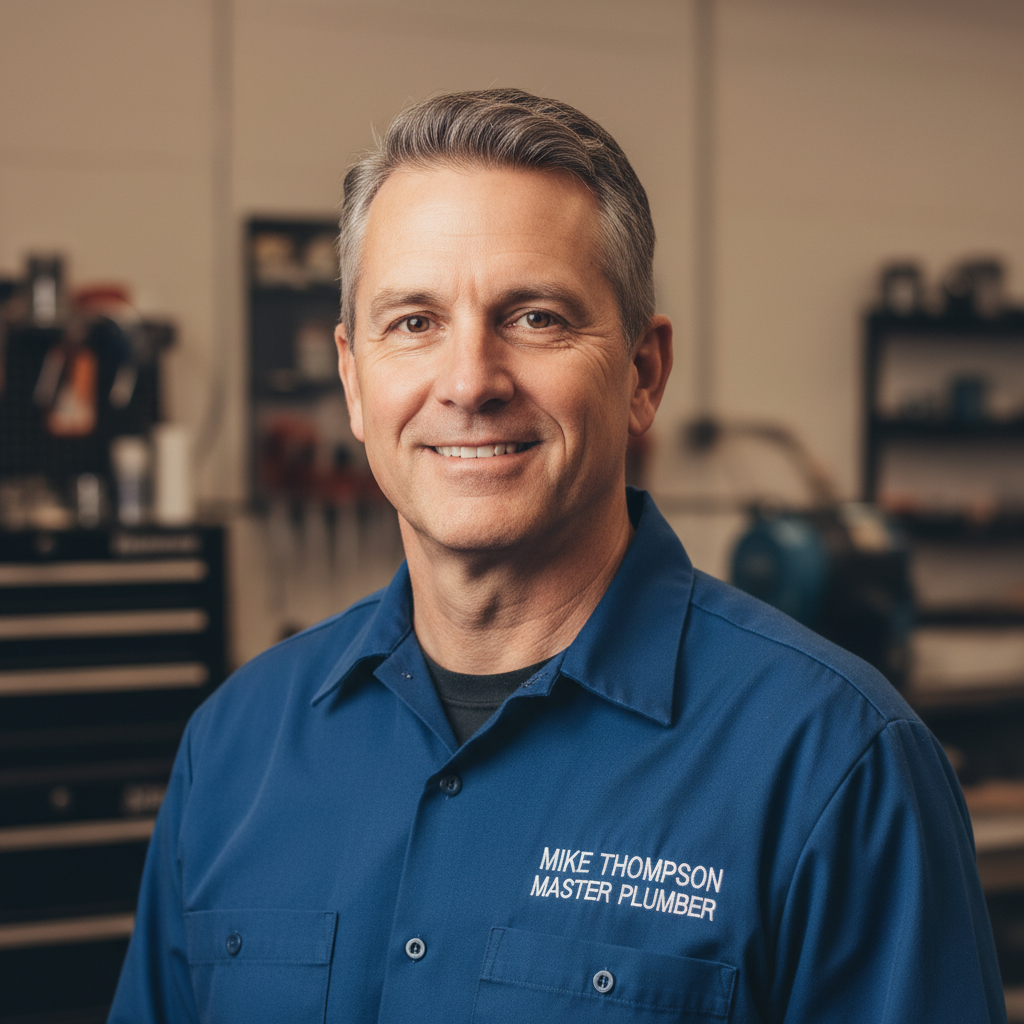
About Mike Thompson
Master Plumber • License #MP-2847 • 28 Years Emergency Response
Mike has responded to thousands of plumbing emergencies across the GTA since 1996. He's seen the worst—and helped families prevent disasters by knowing the warning signs. Member of the Canadian Institute of Plumbing & Heating (CIPH).