Quick Answer: What Is Sewer Line Repair?
Sewer line repair fixes damaged or blocked pipes that carry wastewater from your home to the municipal sewer system. In Toronto, repairs cost $2,500-$25,000 depending on the method. Trenchless repair ($4,000-$15,000) is the modern approach that doesn't require digging up your yard. Most Toronto homes with pipes over 40 years old will eventually need sewer repair.
Key Takeaways
- Sewer repair in Toronto costs $2,500-$25,000 depending on method and damage extent
- Trenchless methods (pipe lining, pipe bursting) save thousands in landscape restoration
- Warning signs include multiple drain backups, sewage odors, and soggy yard patches
- Tree roots cause 35% of sewer damage in Toronto's older neighborhoods
- Camera inspection ($150-$350) is essential before any repair decision
- Most home insurance does NOT cover sewer repair—consider adding coverage
- Permits are required for all sewer repairs in Toronto—only licensed plumbers can obtain them
Your sewer line is the most important pipe you never think about—until it fails. When raw sewage backs up into your basement or your yard starts smelling like a treatment plant, you'll quickly learn just how critical this hidden infrastructure really is. For emergency sewer help, call (647) 554-4356—we're available 24/7.
After repairing and replacing thousands of sewer lines across Toronto and the GTA over my 28-year career, I've seen the full spectrum—from simple root clearing that saves the day to complete collapses that require emergency excavation. This guide will help you understand what you're dealing with, what your options are, and how to make smart decisions that protect your home and your wallet.
Understanding Your Sewer Line
Your home's sewer line (also called the sanitary lateral) is a pipe that runs from your home's foundation to the municipal sewer main, usually located under the street. In Toronto, this pipe is typically 4-6 inches in diameter and runs 30-100 feet depending on your property.
Here's the critical part: you own and are responsible for the entire sewer lateral, from your home all the way to where it connects to the city main—even the portion under the sidewalk and road. The City of Toronto is only responsible for the main sewer under the street.
Common Sewer Pipe Materials in Toronto Homes
The material of your sewer pipe determines its expected lifespan and repair options:
- Clay/Terracotta (Pre-1960s): Common in older Toronto neighborhoods like The Annex, Cabbagetown, and Rosedale. Prone to cracking, root intrusion at joints, and collapse. Lifespan: 50-60 years.
- Cast Iron (1920s-1970s): Found in mid-century homes across Etobicoke, Scarborough, and North York. Durable but corrodes from inside out. Lifespan: 75-100 years.
- Orangeburg (1945-1972): A tar-paper product that should have never been used. Deforms, collapses, and fails catastrophically. If you have this, replacement is not if, but when.
- ABS/PVC (1970s-Present): Modern plastic pipes used in newer subdivisions in Vaughan, Richmond Hill, and Markham. Resistant to roots and corrosion. Lifespan: 50-100 years.
10 Warning Signs You Need Sewer Repair
Sewer problems rarely happen suddenly—they develop over months or years with warning signs along the way. Catching these early can save thousands in repair costs and prevent catastrophic backups.
1. Multiple Drains Backing Up Simultaneously
If your toilet, shower, and basement floor drain all back up at once—especially when you run the washing machine or flush—you have a main sewer line blockage. Single drain clogs are usually just that drain; multiple drains mean the problem is in the main line.
2. Sewage Odors Inside or Outside
A properly functioning sewer system is airtight except for vent pipes on your roof. If you smell sewage inside your home or in your yard, there's a crack, break, or separation in the line allowing sewer gas to escape.
3. Gurgling Sounds from Drains or Toilets
Gurgling indicates air being trapped and released in the system—a sign of partial blockage or venting problems. When you hear gurgling from one fixture while using another, your main line needs attention.
4. Slow Drains Throughout the House
One slow drain is a local clog. Multiple slow drains mean the main sewer is partially blocked, forcing wastewater to back up before slowly draining away.
5. Soggy Patches or Sinkholes in Your Yard
A cracked or collapsed sewer line leaks wastewater into the surrounding soil, creating perpetually wet areas or depressions along the sewer line path. This is often accompanied by unusually green grass in those spots.
6. Foundation Cracks or Settling
Severe sewer leaks can wash away soil under your foundation, causing cracks and settling. This is especially common in Toronto homes with clay pipes that run close to the foundation.
7. Rodent or Insect Infestations
Rats, cockroaches, and sewer flies can enter your home through cracks in the sewer line. If you're seeing increased pest activity, particularly in the basement, have your sewer inspected.
8. Mold or Mildew Problems
Sewer leaks behind walls or under floors create moisture that promotes mold growth. If you have persistent mold despite proper ventilation, hidden sewer leaks may be the cause.
9. Septic Waste Pooling in Yard
If you see actual sewage pooling in your yard—this is an emergency. Stop using water immediately and call a plumber: (647) 554-4356. This poses serious health risks and can result in city fines.
10. Frequent Backups Despite Cleaning
If you're calling for drain cleaning more than once a year, the problem isn't clogs—it's likely pipe damage that requires repair, not cleaning.
⚠️ Emergency Sewer Situations
Call immediately if you experience:
• Raw sewage backing up into your home
• Sewage pooling in your yard
• Strong gas odors (possible methane buildup)
• Multiple toilets completely blocked
Stop using all water and call (647) 554-4356 for 24/7 emergency service.
Sewer Repair Methods: Your Options Explained
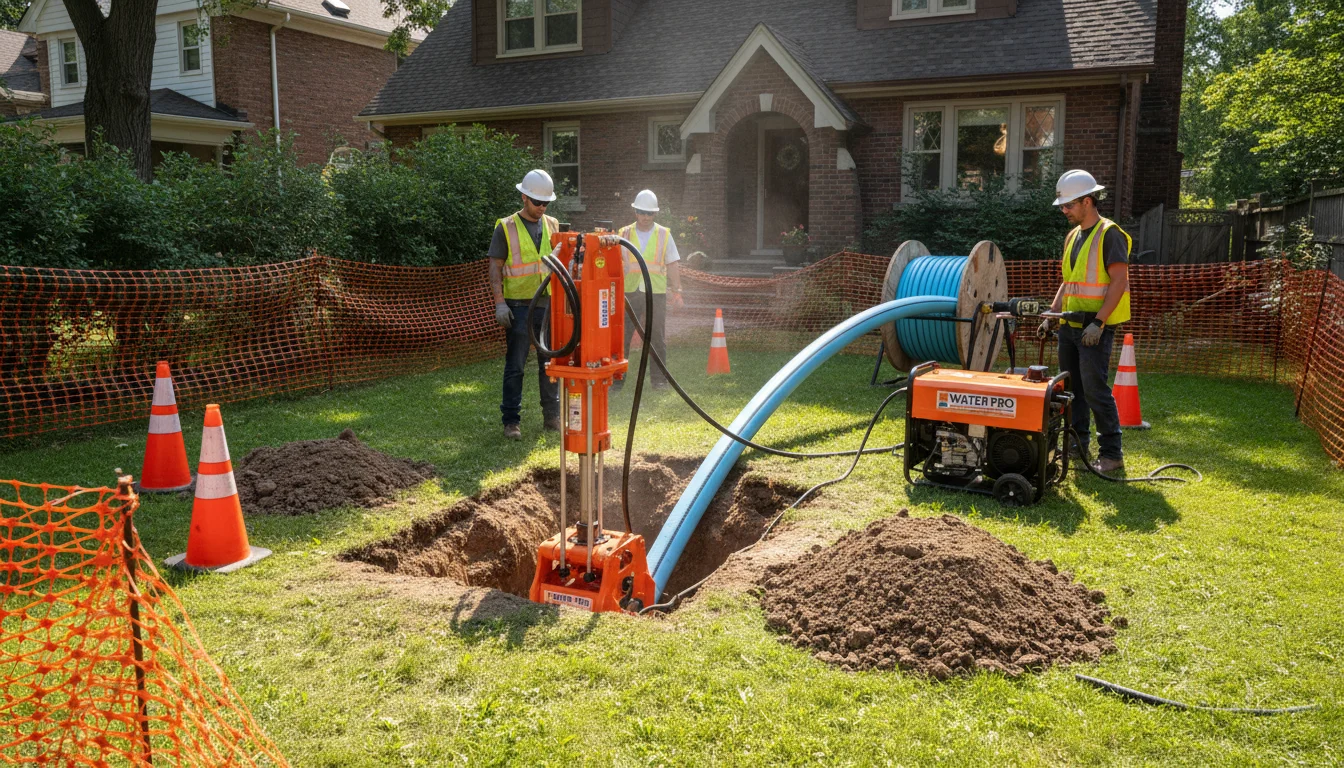
There are three main approaches to sewer repair, each with distinct advantages, costs, and ideal use cases:
1. Trenchless Pipe Lining (CIPP)
Cost: $4,000-$15,000
Cured-in-place pipe (CIPP) lining creates a new pipe inside your existing damaged pipe. A resin-saturated liner is inserted and inflated, then cured with heat or UV light to create a seamless, jointless pipe within the old one. No digging required except small access pits.
Best for: Cracked pipes, root damage, minor corrosion, joint separation
Duration: 1-2 days
Warranty: 50 years
2. Trenchless Pipe Bursting
Cost: $5,000-$18,000
Pipe bursting pulls a new HDPE pipe through the old one, simultaneously fracturing the damaged pipe outward into the surrounding soil. This is a full replacement, not a repair, and can even upsize your pipe diameter.
Best for: Collapsed pipes, severely deteriorated lines, orangeburg replacement
Duration: 1-2 days
Warranty: 50+ years
3. Traditional Excavation
Cost: $8,000-$25,000
The old-school approach: dig a trench along the entire sewer line, remove the damaged pipe, and install new PVC. Still necessary in some situations but involves significant property disruption and restoration costs.
Best for: Completely collapsed lines, bellied pipes, complex repairs near foundations
Duration: 3-7 days
Additional costs: Landscape restoration $2,000-$8,000, driveway repair $3,000-$10,000
4. Spot Repair
Cost: $1,500-$4,000
When damage is localized to a small section (usually 2-4 feet), a spot repair digs up just that section and replaces it. Much less disruptive and expensive than full replacement.
Best for: Single break, localized root damage, connection repairs
Duration: 1 day
Consideration: If pipe is old, spot repair may just delay inevitable full repair
Toronto Sewer Repair Costs: 2025 Price Guide
Sewer repair is a significant investment, but understanding the cost factors helps you evaluate quotes and avoid overpaying:
| Repair Type | Price Range | Includes |
|---|---|---|
| Camera Inspection | $150 - $350 | Video recording, diagnosis, recommendations |
| Spot Repair | $1,500 - $4,000 | Localized dig, pipe section replacement |
| CIPP Pipe Lining | $4,000 - $15,000 | Full pipe lining, 50-year warranty |
| Pipe Bursting | $5,000 - $18,000 | Complete pipe replacement, minimal dig |
| Full Excavation | $8,000 - $25,000 | Trench dig, pipe replacement (not restoration) |
| Landscape Restoration | $2,000 - $8,000 | Sod, plants, grading (after excavation) |
| Driveway/Sidewalk Repair | $3,000 - $10,000 | Concrete/asphalt replacement (if applicable) |
Factors That Affect Your Sewer Repair Cost
- Pipe length: Longer runs cost more—expect $80-$250 per linear foot for trenchless
- Pipe depth: Deeper pipes (6+ feet) require specialized equipment and permits
- Access challenges: Pipes under driveways, decks, or landscaping add complexity
- Pipe material: Cast iron and clay are harder to work with than PVC
- Number of connections: Each cleanout, Y-connection, or branch line adds cost
- Permits: Toronto requires permits for sewer work ($150-$500)
- Emergency timing: After-hours and weekend service costs 25-50% more
💡 Pro Tip from Mike
Always get 3 quotes for major sewer work, but don't automatically choose the cheapest. Ask each contractor: What's included? What's the warranty? Are permits included? Is cleanup/restoration included? The lowest quote often excludes critical items that balloon the final cost. Need an honest assessment? Call (647) 554-4356.
Trenchless vs. Traditional: Which Is Right for You?
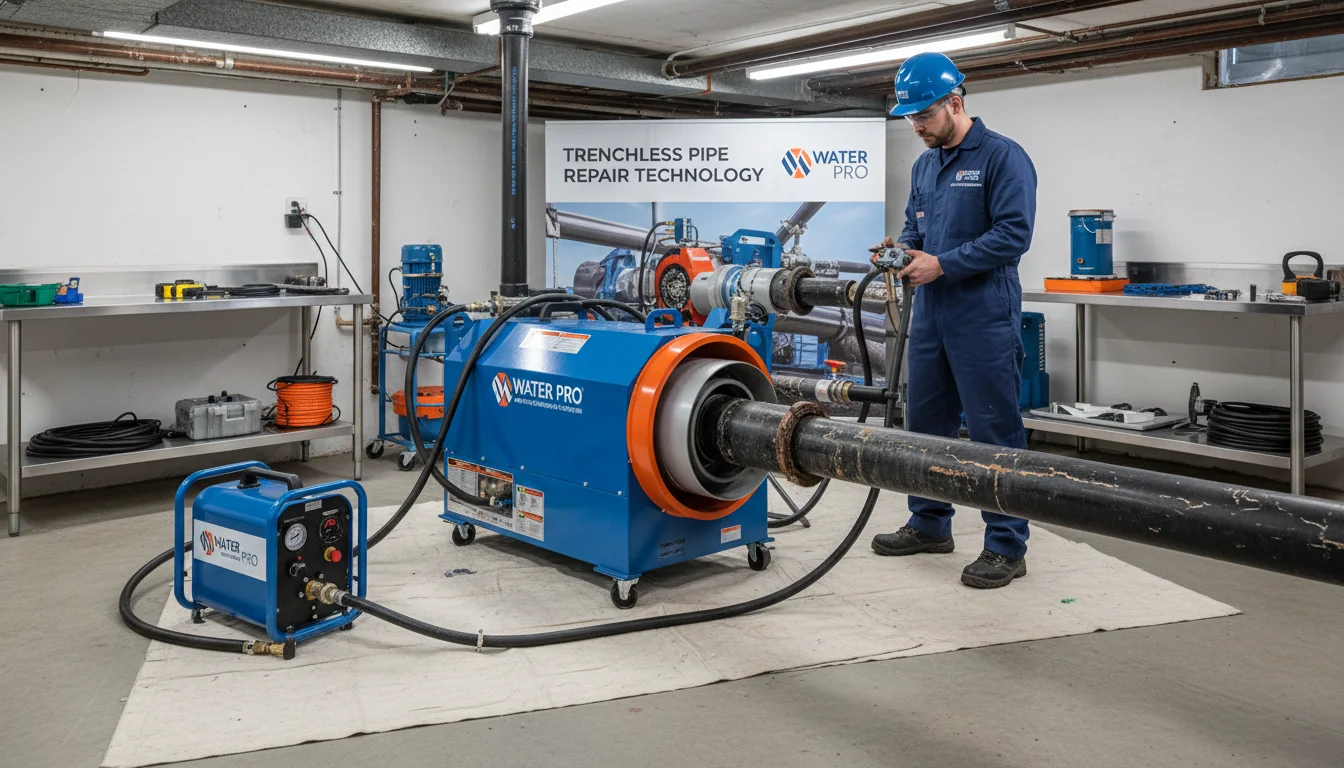
The trenchless vs. excavation decision depends on your specific situation. Here's a comparison:
| Factor | Trenchless | Excavation |
|---|---|---|
| Upfront Cost | $4,000 - $18,000 | $8,000 - $25,000 |
| Total Cost (w/ restoration) | $4,000 - $18,000 | $13,000 - $43,000 |
| Time to Complete | 1-2 days | 3-7 days |
| Property Disruption | Minimal (2 small pits) | Major (full trench) |
| Landscape Impact | Low | High (full restoration needed) |
| Works for Collapsed Pipes? | Pipe bursting only | Yes |
| Works for Bellied Pipes? | No | Yes |
| Warranty | 50 years | Varies (10-50 years) |
When Trenchless Is the Best Choice
- Your pipe has cracks, root intrusion, or joint separation but hasn't collapsed
- The sewer runs under a driveway, patio, deck, or mature landscaping
- You want to minimize time without sewer service
- You want to avoid the chaos and cost of major excavation
- Your neighborhood has been doing trenchless successfully (Rosedale, Forest Hill, The Beaches)
When Excavation May Be Necessary
- Your pipe has completely collapsed or has severe belly sections
- The pipe is made of orangeburg (it will just collapse again)
- You need to increase pipe diameter significantly
- There are multiple severe breaks requiring extensive work
- The pipe runs very shallow (under 2 feet) where excavation is simple
For more details on trenchless options, see our Trenchless Sewer Repair Guide.
Why Camera Inspection Is Essential
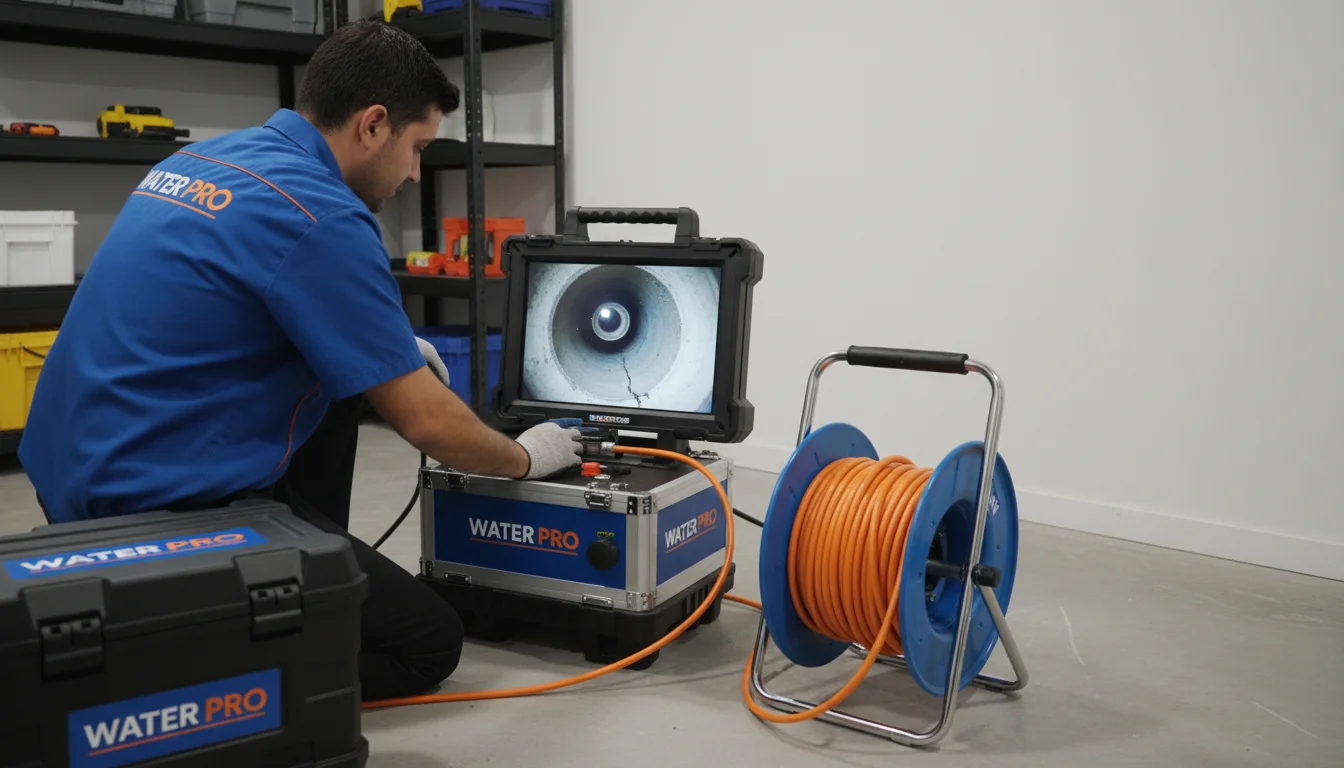
Never agree to sewer repair without a camera inspection first. This $150-$350 investment could save you thousands:
What Camera Inspection Reveals
- Exact location of damage: Pin-points problems so repairs can be precisely targeted
- Type of damage: Cracks, root intrusion, collapse, corrosion, bellied sections
- Pipe material and condition: Helps predict future problems
- Connection points: Identifies cleanouts, branch lines, and tie-ins
- Pipe diameter: Critical for selecting correct repair equipment
Red Flags from Contractors
⚠️ Watch Out for These Warning Signs
Be cautious of contractors who:
• Quote repairs without camera inspection
• Won't show you the camera footage
• Push for full replacement without showing evidence
• Can't explain what they found
• Pressure you to decide immediately
A reputable plumber will show you exactly what's wrong and explain all your options.
Learn more about what to expect from a Sewer Camera Inspection.
Toronto Neighborhoods: Common Sewer Issues
Different areas of Toronto have distinct sewer challenges based on home age, pipe materials, and environmental factors:
High Park, Rosedale, Forest Hill
Challenge: Mature trees (100+ years) with extensive root systems. Clay pipes from early 1900s. We see tree root intrusion in 50%+ of service calls in these areas.
Recommendation: Annual camera inspection. Consider preventive pipe lining before roots cause major damage. Budget for eventual trenchless replacement.
The Annex, Cabbagetown, Leslieville
Challenge: Victorian-era homes with clay or early cast iron pipes. Many homes have never had sewer work—original pipes are 80-120 years old.
Recommendation: Camera inspection before buying. Most pipes in these areas will need repair or replacement within 10-15 years.
Scarborough, North York, Etobicoke
Challenge: Post-war homes (1950s-70s) with cast iron pipes reaching end of life. Some areas have orangeburg pipes that are failing en masse.
Recommendation: If your neighbors are having sewer problems, you're likely next. Proactive inspection can catch issues before emergency.
Mississauga, Brampton, Vaughan
Challenge: Newer construction with PVC pipes—generally reliable. Main issues are construction defects, improper installation, and occasionally builder shortcuts.
Recommendation: Pre-purchase inspection for homes under 20 years. Settlement and shifting can damage connections.
Downtown Toronto Condos
Challenge: Shared stacks and horizontal runs complicate responsibility. Problems on upper floors affect everyone below.
Recommendation: Work with your condo board. Individual unit owners typically aren't responsible for main stacks, but connecting pipes may be your responsibility.
Insurance, Permits & Homeowner Responsibilities
Does Home Insurance Cover Sewer Repair?
Short answer: Usually not. Standard home insurance policies exclude sewer line repair due to wear, age, or roots. However:
- Sudden damage: If a sudden event (like someone digging into your line) causes damage, it may be covered
- Water damage: Damage to your home's interior from sewage backup may be covered
- Sewer backup rider: Many insurers offer optional coverage ($50-$150/year) that covers repair costs up to $10,000-$50,000
Our recommendation: Call your insurer and ask about sewer backup coverage. For $100/year, you could save $15,000+ if you ever need major repair.
Toronto Permit Requirements
All sewer repairs in Toronto require permits from the City. This includes:
- Plumbing permit for any pipe replacement or repair
- Excavation permit if digging in city right-of-way (sidewalk, road)
- Inspection by city inspector after work is complete
Important: Only licensed plumbers can obtain these permits. If a contractor suggests working without permits, walk away—unpermitted work can void your insurance and create problems when selling your home.
Homeowner vs. City Responsibility
In Toronto, property owners are responsible for:
- The entire sewer lateral from house to city main
- The connection point to the city main
- Any repairs needed, even under the sidewalk or road
The City of Toronto is only responsible for the main sewer line under the street. There are no city programs that cover private sewer lateral repairs.
How to Choose a Sewer Repair Contractor
Sewer repair is a major investment. Here's how to find a reliable contractor and avoid scams:
Essential Questions to Ask
- Are you licensed and insured? Ask for license number and proof of $2M+ liability insurance
- Will you get permits? Legitimate contractors handle all permitting
- Can I see the camera footage? You should see exactly what's wrong
- What's included in the quote? Get everything in writing—permits, cleanup, restoration
- What's the warranty? Reputable contractors offer 10+ year warranties on workmanship
- How long have you been doing trenchless? Experience matters—ask for references
- Can I see reviews/references? Check Google reviews, ask for past customers to contact
Red Flags to Watch For
- Pressure to sign immediately or "today-only" pricing
- Cash-only payments or no written contract
- Won't provide license number or proof of insurance
- Quote without camera inspection
- Significantly lower than other quotes (they'll add costs later)
- No fixed address or only a cell phone number
💡 Pro Tip from Mike
Check the contractor on Ontario's contractor license registry. Also search their company name with "complaints" or "reviews" to see what past customers experienced. A few minutes of research can save thousands in headaches.
Preventing Sewer Problems: Maintenance Tips
While you can't prevent all sewer problems, proper maintenance can extend your pipe's life and catch issues early:
Annual Maintenance
- Camera inspection every 2-3 years: Catches developing problems before emergencies
- Professional cleaning if needed: Hydro jetting removes buildup and small roots
- Root treatment: If you have trees near the line, copper sulfate or root foam can slow growth
Daily Habits That Protect Your Sewer
- Never flush "flushable" wipes: They don't break down and cause blockages
- Keep grease out of drains: Grease solidifies and builds up in sewers
- Use drain screens: Catches hair and debris before it enters the system
- Know your cleanout location: Faster service if you ever need emergency clearing
Landscaping Considerations
- Know where your sewer line runs before planting trees
- Choose slow-growing, shallow-rooted trees near sewer lines
- Consider root barriers if you have aggressive trees nearby
- Keep trees at least 10 feet from sewer lines when possible
Frequently Asked Questions
Sewer repair in Toronto costs $2,500-$25,000 depending on the method and extent of damage. Spot repairs cost $1,500-$4,000, trenchless pipe lining $4,000-$15,000, and full excavation replacement $8,000-$25,000. Most residential repairs fall in the $4,000-$12,000 range.
Warning signs include: multiple drains backing up simultaneously, sewage odors in your home or yard, gurgling sounds from drains, slow drains throughout the house, soggy patches in your yard, and foundation cracks. If you notice these signs, call a plumber for a camera inspection immediately.
Trenchless repair is worth it for most Toronto homes. While the upfront cost is similar to excavation ($4,000-$15,000), you save $5,000-$15,000 in landscape restoration, driveway repair, and time. Trenchless also takes 1-2 days vs. 3-7 days for excavation.
Modern sewer repairs last 50+ years with proper installation. CIPP pipe lining has a 50-year warranty. PVC replacement pipes last 50-100 years. Traditional excavation repairs with quality materials match these lifespans. The key is hiring licensed plumbers who follow Toronto building codes.
Standard home insurance typically does NOT cover sewer line repair from age or wear. However, you may be covered if damage results from a sudden event like tree root intrusion or ground shifting. Many insurers offer optional 'sewer backup' riders for $50-$150/year that cover repair costs.
In Toronto, the top causes are: tree root intrusion (35% of repairs), pipe deterioration from age (30%), ground shifting from freeze-thaw cycles (15%), grease and debris buildup (10%), and construction/excavation damage (10%). Older neighborhoods with clay pipes and mature trees are most at risk.
No. Sewer line repair requires permits, specialized equipment (camera inspection, pipe lining machines), and must meet Ontario Building Code. DIY repairs are illegal in Toronto and can result in fines, health hazards, and insurance denial. Always hire a licensed plumber.
Choose repair (spot fix or lining) if damage is localized to less than 50% of the pipe. Choose replacement if the pipe has multiple breaks, severe corrosion, collapsed sections, or is made of outdated materials like orangeburg. A camera inspection reveals which option is best for your situation.
The Bottom Line
Sewer problems are stressful, expensive, and disruptive—but they don't have to be catastrophic. Armed with the knowledge in this guide, you can recognize warning signs early, understand your repair options, and work with contractors confidently.
The most important takeaways:
- Don't ignore warning signs. A $150 camera inspection today can prevent a $15,000 emergency tomorrow.
- Trenchless is usually the smart choice. Same or lower total cost, faster completion, minimal property damage.
- Get multiple quotes. But don't automatically choose the cheapest—quality matters for something you'll live with for 50 years.
- Check insurance coverage. A $100/year rider could save you thousands.
- Work only with licensed, insured contractors who pull proper permits.
If you're experiencing sewer problems or just want peace of mind about your pipes, Water Pro offers honest assessments with no pressure. Our camera inspections show you exactly what's going on, and we'll explain all your options—including when you don't need repair at all.
Need Sewer Line Help?
Licensed plumbers available 24/7 across the GTA. Honest assessments, upfront pricing, 90-day guarantee.
📞 Call (647) 554-4356Same-day inspections • Free estimates • 5,234+ families helped
Related Articles
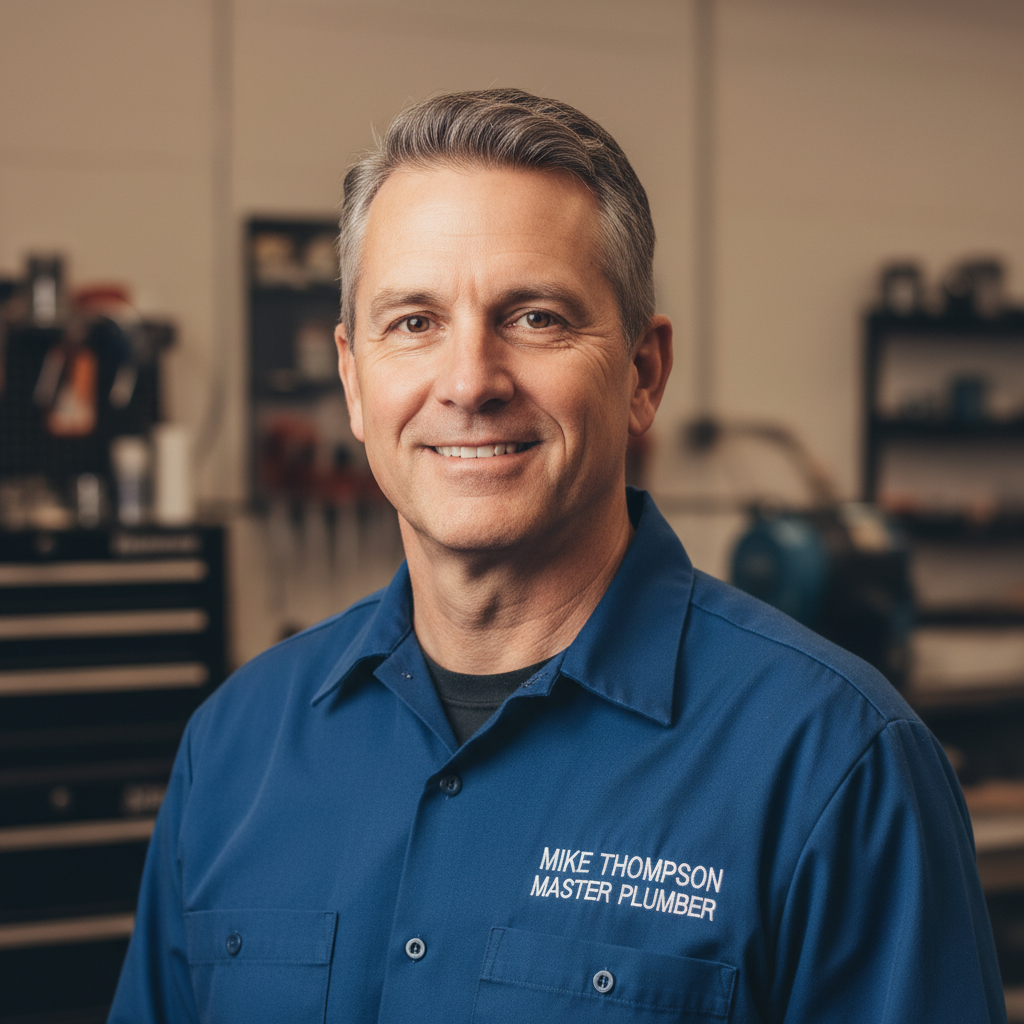
About Mike Thompson
Master Plumber • License #MP-2847 • 28 Years Experience
Mike has been repairing and replacing sewer lines across the GTA since 1996. He specializes in trenchless technology and has completed over 3,000 sewer repair projects. Member of the Canadian Institute of Plumbing & Heating (CIPH) and Ontario Plumbing Inspectors Association (OPIA).
🏆 2023 Best Plumber Award - Toronto Home Services • Featured in Toronto Star, BlogTO