Quick Answer: What Size Sump Pit Do I Need in Toronto?
Standard sump pump pits in Toronto are 18-24 inches in diameter and 24-36 inches deep, meeting Ontario Building Code requirements. Installation costs $800-$2,500 depending on complexity. The pit must have a perforated or solid liner, 4-6 inches of gravel base, and a sealed cover. Undersized pits (less than 18 inches) cause pump failure within 2-3 years.
Key Takeaways
- Standard pit size: 18-24" diameter × 24-36" deep (Ontario Building Code minimum)
- Installation cost: $800-$2,500 (basic to complex installations)
- Perforated liners preferred for weeping tile systems, solid for single-pipe drainage
- Gravel base required: 4-6" of 3/4" clear stone beneath liner
- Undersized pits cause short-cycling, reducing pump lifespan by 60%
- Toronto requires sealed pit covers to prevent radon gas entry
Here's something most Toronto homeowners don't realize: the sump pump pit matters more than the pump itself. I've replaced countless pumps that failed prematurely—not because the pump was bad, but because the pit was too small, improperly installed, or filled with debris. After 28 years servicing homes across the GTA, I've seen this same problem in Rosedale, Scarborough, Etobicoke, and everywhere in between.
A properly sized and installed sump pit extends pump life from 2-3 years to 7-10 years. Yet contractors still install undersized 14-inch pits to save $50—costing homeowners thousands in early pump replacements and potential flooding. For expert sump pit installation, call (647) 554-4356.
This guide covers everything Toronto homeowners need to know about sump pump pits: proper sizing, materials, installation requirements, Ontario Building Code compliance, and realistic costs for 2025.
What Is a Sump Pump Pit? (And Why It Matters)
A sump pump pit is a cylindrical hole in your basement floor—typically in the lowest corner—where groundwater collects before being pumped outside. Think of it as a reservoir that gives your pump breathing room between cycles.
The Critical Role of Proper Pit Sizing
When groundwater enters your basement through weeping tiles (perimeter drainage), it flows into the sump pit. The pit needs enough volume to store water between pump cycles. If the pit is too small, your pump runs constantly (called "short-cycling"), overheating the motor and burning out the pump years early.
⚠️ The Short-Cycling Problem
A 14-inch pit holds roughly 7 gallons of water. An 18-inch pit holds 12 gallons. That 5-gallon difference means your pump cycles 40-60% more often in the smaller pit—running 15,000 times per year instead of 9,000. Motors aren't designed for this. Expect pump failure in 2-3 years versus 7-10 years. Call (647) 554-4356 to assess if your pit is undersized.
Standard Sump Pit Requirements in Toronto
The Ontario Building Code and City of Toronto bylaws establish minimum standards for sump pit installations:
Size Requirements
| Dimension | Minimum | Recommended | Notes |
|---|---|---|---|
| Diameter | 18 inches | 20-24 inches | Larger for high water table |
| Depth | 24 inches | 30-36 inches | Below basement floor slab |
| Gravel Base | 4 inches | 4-6 inches | 3/4" clear stone (no fines) |
| Liner Thickness | 1/8 inch | 1/4 inch | HDPE or polypropylene |
Toronto Building Code Specifics
- Sealed Cover: Pit must have airtight cover to prevent radon gas entry (Ontario Building Code 9.13.4)
- Discharge Line: Must extend minimum 6 feet from foundation, sloped away from house
- Backflow Prevention: Check valve required on discharge pipe to prevent backflow
- Electrical: GFCI-protected outlet within 6 feet, dedicated 15-amp circuit recommended
- Permit Required: Building permit needed for new sump pit installations (not pump replacements)
💡 Pro Tip from Mike
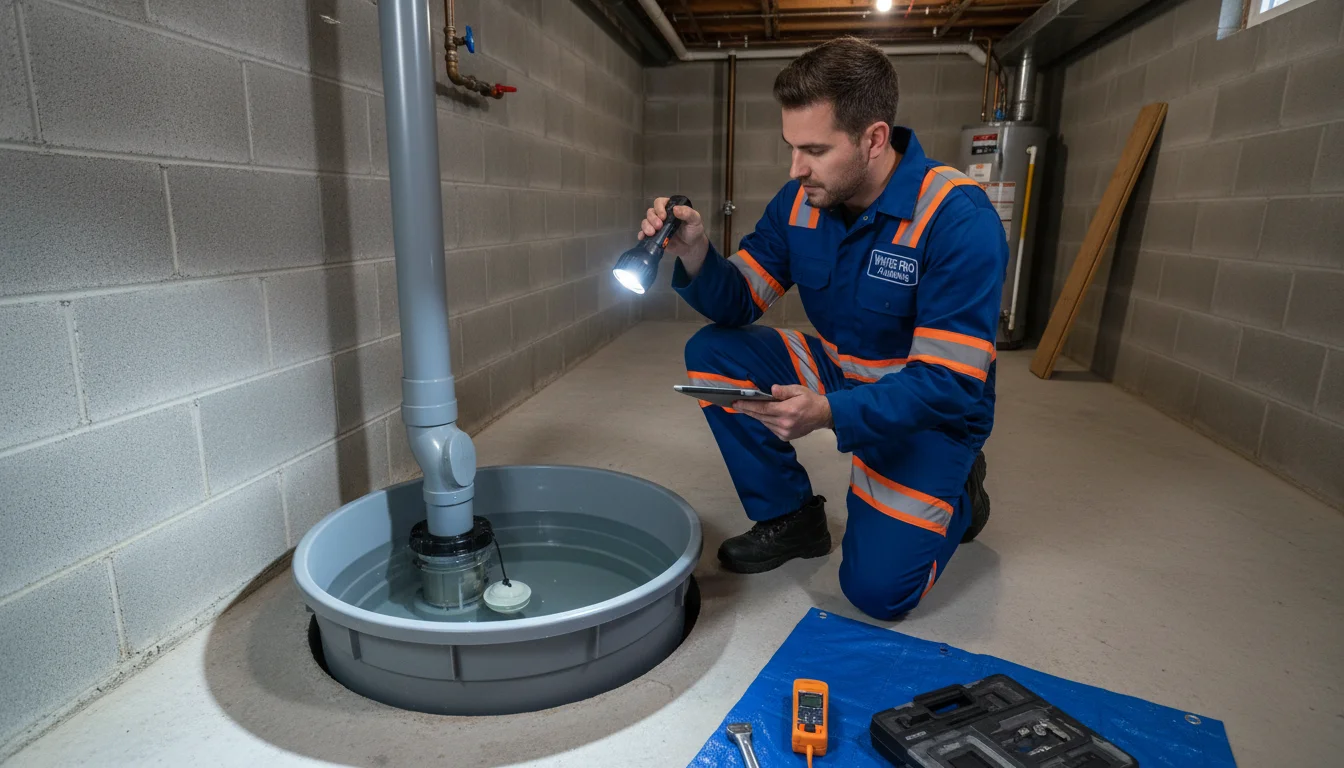
The City of Toronto doesn't require permits for pump replacement, but you DO need one for new pit installation or pit enlargement. Inspectors check pit depth, liner type, gravel base, and discharge line compliance. Water Pro handles all permitting—call (647) 554-4356 for code-compliant installations.
Sump Pit Liner Types: Perforated vs. Solid
Choosing between perforated and solid pit liners confuses most homeowners. Here's the difference and when to use each:
Perforated Liners (Most Common)
Perforated liners have holes around the sides, allowing water to enter from all directions. This is the standard choice for Toronto homes with weeping tile systems.
Best For:
- Homes with perimeter drain tiles (weeping tiles around foundation)
- High water table areas (Scarborough, parts of Etobicoke near Lake Ontario)
- Basement waterproofing systems that collect water from multiple drain points
- Sandy or gravel soil that drains well
Advantages:
- Allows water to enter from 360° around the pit
- Prevents pressure buildup beneath basement floor
- Faster water collection during heavy rain events
- Standard for most Toronto installations (85% of our jobs)
Disadvantages:
- Can allow debris to enter pit over time
- Not suitable for clay soil (clogs perforations)
- Requires proper gravel jacket to prevent sediment entry
Solid Liners (Special Applications)
Solid liners have no perforations—water enters only through the top or via a single drainage pipe.
Best For:
- Single-pipe drainage systems (one main drain line enters pit)
- Clay soil areas where sediment would clog perforations
- Newer homes with dedicated sump discharge lines
- Areas with minimal groundwater intrusion
Advantages:
- Prevents debris and sediment entry
- Cleaner pit interior (less maintenance required)
- Better for clay soil conditions common in North York, Richmond Hill
Disadvantages:
- Slower water collection rate
- Not suitable for multi-point drainage systems
- Can create hydrostatic pressure beneath floor slab if undersized
Sump Pit Basin Materials: What Lasts Longest?
Most sump pit liners are made from high-density polyethylene (HDPE) or polypropylene plastic. Here's what to look for:
HDPE (High-Density Polyethylene)
- Lifespan: 20-30 years in normal conditions
- Thickness: 1/4 inch preferred (1/8 inch minimum)
- UV Resistance: Excellent (but buried, so not critical)
- Cost: $80-$150 for quality liner
- Pros: Durable, crack-resistant, handles freeze-thaw cycles well
- Cons: Can become brittle after 25+ years
Polypropylene
- Lifespan: 15-25 years
- Thickness: Similar to HDPE (1/4 inch standard)
- Chemical Resistance: Better than HDPE for harsh conditions
- Cost: $70-$130
- Pros: Flexible, less likely to crack from impact
- Cons: Slightly shorter lifespan than HDPE
Concrete Pits (Old Installations)
Pre-1990s homes often have poured concrete pits. While durable, they have drawbacks:
- Difficult to clean (rough interior surface traps debris)
- Can crack and leak sediment into pit
- Not code-compliant for new installations
- Recommendation: Replace with HDPE liner if concrete pit is cracking or leaking sediment
💡 Pro Tip from Mike
Spend the extra $30-50 for a 1/4-inch thick liner versus the thinner 1/8-inch versions sold at big-box stores. The thicker liner resists cracking if your pump ever jams against it and lasts 5-10 years longer. Water Pro exclusively installs commercial-grade 1/4" HDPE liners—call (647) 554-4356.
Sump Pump Pit Installation Cost in Toronto (2025)
Here's what GTA homeowners actually pay for professional sump pit installation:
| Service Type | Price Range | What's Included |
|---|---|---|
| Basic Pit Installation | $800 - $1,200 | 18" liner, gravel base, standard excavation, pump not included |
| Standard Installation | $1,200 - $1,800 | 20-24" liner, perforated or solid, gravel, sealed cover, permit fees |
| Complex Installation | $1,800 - $2,500 | Large pit (24-30"), concrete cutting, backwater valve add-on, difficult access |
| Pit + Pump Package | $1,400 - $2,800 | Pit installation + quality 1/2 HP pump, check valve, discharge line |
| Pit Replacement | $600 - $1,000 | Remove old liner, install new, existing hole/gravel reused if suitable |
| Battery Backup Add-On | +$400 - $800 | Battery backup system installation (highly recommended for Toronto) |
What Affects Installation Cost?
1. Floor Slab Thickness:
- 4-inch slab (typical residential): Easier excavation, lower cost
- 6-inch+ slab (commercial-grade, older homes): Requires concrete saw, +$200-$400
- Rebar-reinforced slabs: Additional cutting complexity, +$300-$500
2. Soil Conditions:
- Sandy soil: Easy digging, base cost
- Clay soil: Difficult excavation, may need mechanical auger, +$150-$300
- Bedrock presence: Rare but expensive if encountered, +$500-$1,000
3. Access Challenges:
- Open basement corner: Standard pricing
- Finished basement requiring drywall removal/repair: +$300-$600
- Tight crawl space access: +$200-$400 labor surcharge
4. Additional Components:
- Backwater valve integration: +$300-$600 (highly recommended for sewer backup prevention)
- Radon mitigation preparation: +$150-$300 (pit cover with vent port)
- Secondary pump installation (dual-pump system): +$400-$700
The Sump Pit Installation Process (Step-by-Step)
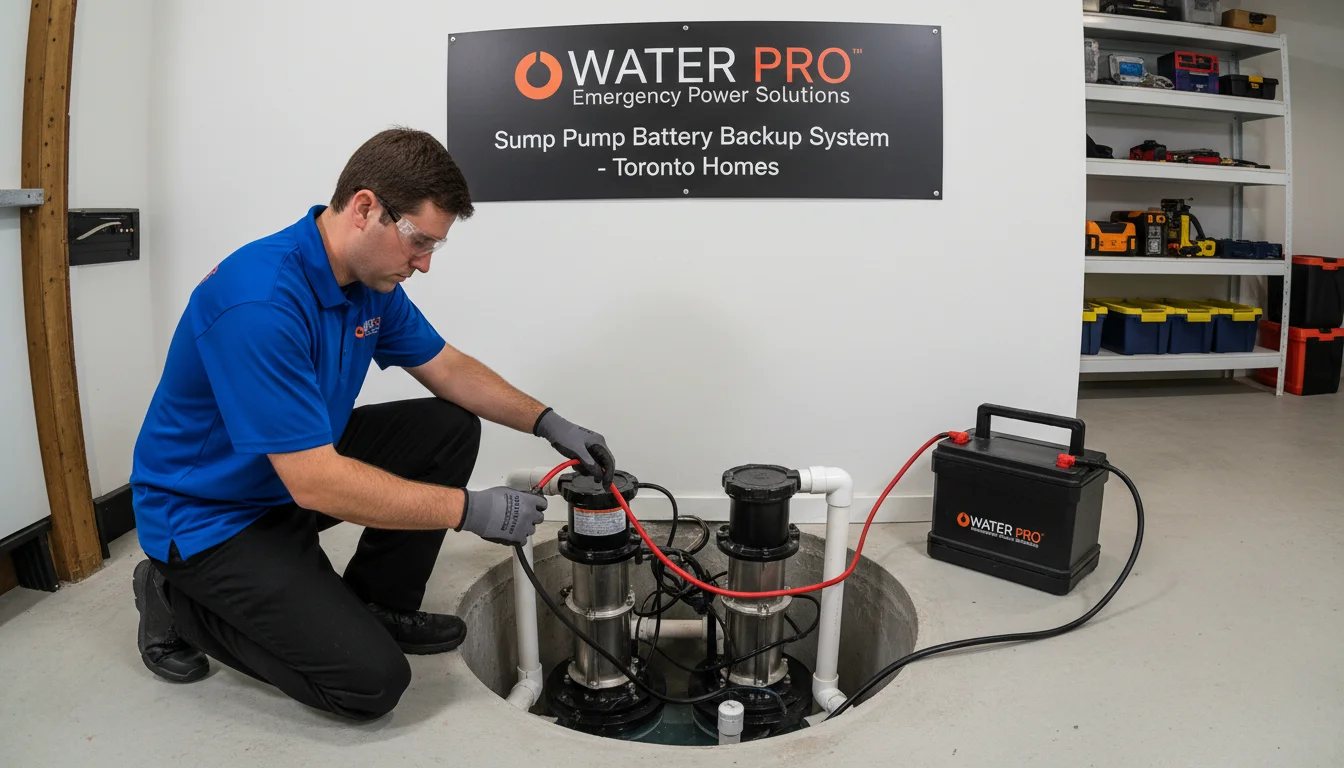
Understanding the installation process helps you evaluate contractor quotes and ensure proper workmanship. Here's how professional installations work:
Step 1: Location Assessment (30-60 minutes)
- Identify lowest corner of basement (water naturally flows here)
- Check for existing weeping tile termination points
- Verify 6+ feet clearance from foundation walls (for discharge line)
- Confirm electrical outlet access within 6 feet
- Mark utilities (electrical conduit, plumbing, gas lines in slab)
Step 2: Excavation (2-4 hours)
- Cut basement floor concrete using diamond blade saw (if not already open)
- Remove concrete sections (typically 24-30" square for 18-24" pit)
- Excavate soil to required depth (30-36" below finished floor)
- Widen hole if needed for proper liner fit with gravel jacket
- Level bottom of excavation for gravel base
Step 3: Gravel Base Installation (30 minutes)
- Add 4-6 inches of 3/4" clear stone (no fines—no sand or dust)
- Level gravel layer to ensure pit sits flat
- Compact lightly but avoid over-compaction (reduces drainage)
Step 4: Liner Installation (1 hour)
- Place perforated or solid liner into excavation
- Verify rim is level with basement floor (or slightly below for sealed cover fit)
- Backfill around liner with additional 3/4" clear stone (perforated liners only)
- Connect weeping tile discharge pipe(s) to pit (cut liner openings as needed)
Step 5: Floor Slab Repair (2-3 hours)
- Install wooden or metal form around pit perimeter
- Pour concrete to restore floor slab (maintain 1-2" gap around liner rim)
- Trowel smooth and slope slightly toward pit for surface water drainage
- Allow 24-48 hours cure time before pump installation
Step 6: Pump & Cover Installation (1-2 hours)
- Install check valve on discharge pipe (prevents backflow)
- Position pump in pit center on gravel base or pedestal (depends on pump type)
- Connect discharge pipe and route through rim opening
- Install sealed pit cover with pump cord pass-through
- Test pump operation through multiple cycles
- Verify check valve seals properly when pump shuts off
Total Installation Time
- Simple installation: 4-6 hours (one-day job)
- Complex installation: 8-12 hours (spread over 2 days for concrete curing)
- Emergency pit repair: 3-5 hours (liner replacement only, no floor work)
⚠️ DIY Sump Pit Installation Risks
While experienced DIYers can install sump pits, mistakes are costly. Common errors: undersized pit, improper gravel type (using sand/crusher dust that clogs drainage), inadequate depth, poorly sealed cover (radon entry risk), and non-compliant discharge routing. Building inspectors fail 30-40% of DIY installations. Professional installation ensures code compliance and warranty coverage. Get a quote: (647) 554-4356.
Common Sump Pit Problems (And How to Fix Them)
Most pit problems stem from poor initial installation or lack of maintenance. Here are the issues I see repeatedly:
1. Undersized Pit (Most Common)
Symptoms:
- Pump cycles every 2-5 minutes during rain
- Motor feels hot to touch after running
- Pump fails within 2-3 years despite being "good quality"
Cause: Pit diameter too small (14-16 inches), doesn't hold enough water between cycles.
Fix: Enlarge pit to 20-24 inches diameter. Requires excavation and new liner ($600-$1,000).
2. Debris Accumulation
Symptoms:
- Visible sediment, gravel, or sludge in pit bottom
- Pump intake screen clogs frequently
- Reduced pump performance despite cleaning pump
Cause: Poor gravel selection (used crusher dust instead of clear stone), deteriorating concrete floor, or weeping tiles bringing in sediment.
Fix: Annual pit cleaning ($150-$300). If chronic, install debris filter or replace with solid liner.
3. Improper Drainage (Water Pooling Around Pit)
Symptoms:
- Water collects around pit rim after pump runs
- Basement floor near pit always damp
- Mold growth around pit area
Cause: Floor slab not sloped toward pit, or pit rim set too low below floor level.
Fix: Resurface floor with self-leveling concrete sloped toward pit ($300-$600 for 10×10 ft area).
4. Inadequate Gravel Base
Symptoms:
- Pump sits directly on pit bottom (no gravel cushion visible)
- Sediment constantly accumulates despite cleaning
- Float switch sticks due to debris
Cause: Contractor skipped gravel layer or used too little (less than 4 inches).
Fix: Remove pump, add 4-6 inches of 3/4" clear stone, reinstall pump ($200-$400 service call).
5. Unsealed or Missing Pit Cover
Symptoms:
- Radon test shows elevated levels in basement
- Musty odor near pit
- Insects entering basement through pit opening
Cause: No pit cover installed, or cover doesn't seal properly.
Fix: Install airtight pit cover with pump cord grommet ($80-$150 DIY, $150-$300 professional installation).
Sump Pit Maintenance: Annual Checklist
Regular pit maintenance extends pump life and prevents flooding. Here's your annual checklist:
Spring Inspection (March-April)
- Remove pit cover and inspect interior with flashlight
- Check water level: Should be 6-12 inches below rim when pump is off
- Look for debris: Sediment, gravel, or foreign objects in pit
- Test pump: Pour bucket of water, verify pump activates and discharges
- Check float switch: Moves freely without sticking
- Inspect gravel base: Should see 3-4 inches of clean stone beneath pump
Fall Preparation (October-November)
- Clean pit interior: Remove accumulated debris using wet/dry vacuum
- Flush discharge line: Run pump with hose to clear any blockages
- Test battery backup (if installed): Unplug primary pump, verify backup activates
- Check pit cover seal: Reseal gaps with silicone if needed (radon prevention)
- Verify GFCI outlet: Test reset button on outlet, ensure circuit is functional
Professional Cleaning (Every 2-3 Years)
Cost: $150-$300
- Complete pit draining and interior pressure washing
- Removal of compacted sediment from gravel layer
- Pump inspection and intake screen cleaning
- Discharge line inspection for clogs or damage
- Check valve replacement if sticking (prevents backflow)
💡 Pro Tip from Mike
Add sump pit cleaning to your HVAC service schedule. Our maintenance plan includes annual pit inspection plus pump testing for $199/year. We catch 90% of pit problems before they cause pump failure or basement flooding. Toronto homeowners save $800-$2,000 in emergency repairs. Call (647) 554-4356 to add your home to our service route.
Toronto Building Code & Permit Requirements
Sump pit installations in Toronto must comply with Ontario Building Code Section 9.13.4 (Drainage of Subsoil Water) and City of Toronto bylaws. Here's what you need to know:
When You Need a Building Permit
- New sump pit installation: Permit required ($150-$300 depending on scope)
- Pit enlargement/relocation: Permit required
- Pump replacement only: No permit needed (maintenance work)
- Battery backup add-on: No permit if using existing pit (electrical work may need inspection)
Code-Compliant Pit Specifications
| Requirement | Code Standard | Common Non-Compliance |
|---|---|---|
| Minimum Diameter | 18 inches (OBC 9.13.4.2) | 14-16" pits from big-box stores |
| Minimum Depth | 24 inches below floor | Shallow 18-20" pits (insufficient volume) |
| Pit Cover | Airtight, removable (radon prevention) | No cover or loose-fitting cover |
| Discharge Line | 6 ft from foundation, sloped away | Discharges against foundation or into yard too close |
| Check Valve | Required on discharge pipe | No check valve (water backflows into pit) |
| Electrical | GFCI-protected, dedicated circuit | Shared circuit or no GFCI protection |
Discharge Line Requirements
Toronto homeowners must follow strict discharge rules to prevent neighbor complaints and foundation damage:
- Minimum distance from foundation: 6 feet (10+ feet recommended to prevent water re-entry)
- Slope requirements: 1/4 inch per foot minimum slope away from house
- Winter freeze protection: Bury discharge line 12-18 inches deep or use heated cable
- Storm sewer connection: Prohibited in most Toronto areas (check municipal bylaws)
- Sanitary sewer connection: Strictly prohibited (hefty fines if discovered)
- Dry well discharge: Allowed if soil percolation rate is adequate (sandy soil only)
⚠️ Illegal Discharge Violations
Connecting your sump pump discharge to the sanitary sewer or storm sewer is illegal in Toronto and carries fines of $500-$5,000. Many older homes (pre-1980) have this connection grandfathered in, but renovations or pit replacements require bringing the system up to code (surface discharge). Inspectors check during permit inspections. Water Pro handles all code compliance—call (647) 554-4356.
Frequently Asked Questions
The standard sump pump pit in Toronto is 18-24 inches in diameter and 24-36 inches deep, meeting Ontario Building Code requirements. Larger homes or high water table areas may need 24-30 inch diameter pits.
Sump pump pit installation costs $800-$2,500 in Toronto. Basic installations (18-inch pit, standard liner) cost $800-$1,200. Complex installations with larger pits, backwater valves, or difficult access cost $1,500-$2,500.
Perforated liners are preferred for most Toronto homes with weeping tile systems, allowing water to enter from all sides. Solid liners are used when the pit drains only from a single pipe or in areas with clay soil that could clog perforations.
Toronto requires: minimum 18-inch diameter pit, 24-inch minimum depth, sealed cover to prevent radon entry, proper gravel base (4-6 inches of 3/4-inch clear stone), and discharge line 6+ feet from foundation. Permits required for new installations.
Undersized pits (less than 18 inches diameter) cause pumps to cycle too frequently (short-cycling), overheating motors and reducing pump lifespan from 7-10 years to 2-3 years. Proper pit sizing allows adequate water storage between pump cycles.
The gravel layer at the bottom of a sump pit should be 4-6 inches of 3/4-inch clear stone (no fines). This prevents debris from entering the pump while allowing proper drainage. Too little gravel clogs the intake; too much reduces pit capacity.
DIY sump pit installation is possible but challenging. You need excavation equipment, concrete cutting tools, proper gravel and liner materials, and building code knowledge. Most Toronto homeowners hire licensed plumbers ($800-$2,500) to ensure code compliance and permit approval.
Debris buildup occurs from sediment entering through weeping tiles, deteriorating concrete, loose gravel, or poorly sealed pit covers. Annual cleaning ($150-$300) prevents pump clogs. Installing a perforated liner with proper gravel base reduces debris accumulation.
The Bottom Line: Don't Cheap Out on Your Sump Pit
After servicing thousands of sump systems across Toronto, I can tell you this with certainty: proper pit sizing and installation is the difference between a system that lasts 10+ years and one that fails in 2-3 years.
The $200-$300 you "save" by installing a 14-inch pit instead of a proper 20-inch pit costs you far more in premature pump replacements ($400-$800 every 2-3 years), potential flooding damage ($5,000-$20,000+), and the stress of emergency calls during Toronto's worst rainstorms.
Whether you're installing a new system, replacing an old pit, or troubleshooting pump problems, invest in proper sizing, quality materials, and code-compliant installation. Your basement—and your wallet—will thank you.
Need Sump Pit Installation or Repair?
Licensed plumbers available 24/7 across the GTA. Code-compliant installations with permits.
📞 Call (647) 554-4356Same-day service • 90-day guarantee • 5,234+ families helped
Related Articles

About Mike Thompson
Master Plumber • License #MP-2847 • 28 Years Experience
Mike has installed over 2,400 sump pump systems across the GTA since 1996. He specializes in basement waterproofing and drainage solutions for Toronto's unique soil and water table conditions. Member of the Canadian Institute of Plumbing & Heating (CIPH) and Ontario Plumbing Inspectors Association (OPIA).
🏆 2023 Best Plumber Award - Toronto Home Services • Featured in Toronto Star, BlogTO