Quick Answer: Sump Pump vs Ejector Pump—What's the Difference?
Sump pumps handle clear groundwater from foundation drainage and don't require venting. Ejector pumps process sewage and wastewater from below-grade bathrooms and must be vented to manage sewage gases. You need a sump pump for basement flooding prevention and an ejector pump if you have a basement bathroom below the main sewer line.
Key Takeaways
- Sump pumps remove clear groundwater; ejector pumps handle sewage with solid waste
- Ejector pumps require venting to outside; sump pumps don't need vents
- Basement bathrooms below sewer grade always need ejector pumps
- Sump pump installation: $800-$2,000; Ejector pump: $2,500-$4,500
- Never use a sump pump for sewage—code violation and health hazard
I've lost count of how many Toronto homeowners have called asking about "the pump in their basement"— unsure whether it's a sump pump or ejector pump. This confusion is completely understandable. Both sit in pits, both pump water upward, and both are critical for basement functionality. But mix them up, and you could face code violations, health hazards, or thousands in water damage.
After 28 years of installing and repairing both systems across the GTA, I'm breaking down exactly what each pump does, when you need it, and how much it costs. If you're planning a basement bathroom or dealing with flooding, call (647) 554-4356 for expert guidance.
The Critical Differences Between Sump and Ejector Pumps
Here's the fundamental distinction that drives everything else about these systems:
🔹 Purpose
Sump Pump: Prevents basement flooding by removing groundwater and stormwater from foundation drainage.
Ejector Pump: Pumps sewage and wastewater from below-grade plumbing fixtures up to the main sewer line.
💧 What They Pump
Sump Pump: Clear water only—no solid waste, no sewage, no debris larger than small gravel.
Ejector Pump: Sewage with solid waste from toilets, plus wastewater from sinks and showers.
📍 Location
Sump Pump: Lowest point of basement floor, connected to foundation drainage (weeping tiles).
Ejector Pump: Near basement bathroom fixtures, below the main sewer line elevation.
🌬️ Venting Requirements
Sump Pump: No venting required—open sump pit or loose-fitting lid.
Ejector Pump: Must be vented to outside through roof to release sewage gases safely.
What Is a Sump Pump? (Groundwater Protection)
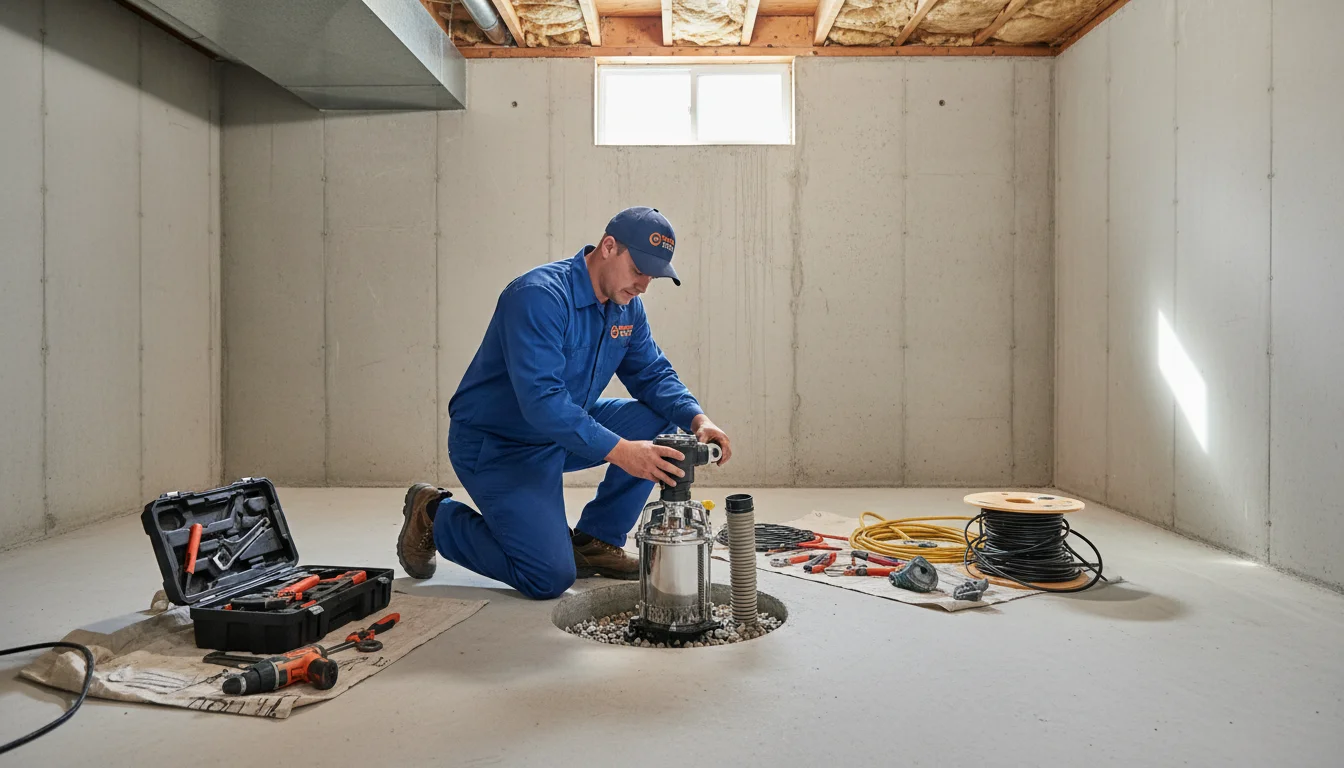
A sump pump is your first line of defense against basement flooding from groundwater. In Toronto's clay-heavy soil and with our spring thaw cycles, foundation drainage systems (weeping tiles) collect water around your home's perimeter and direct it to a sump pit. When water reaches a certain level, the sump pump activates and pushes it outside—away from your foundation.
How Sump Pumps Work
- Water Collection: Groundwater enters weeping tiles around foundation
- Pit Filling: Water drains into sump pit (typically 18-24 inches deep)
- Float Activation: Rising water triggers float switch at preset level
- Pump Discharge: Pump pushes water through discharge pipe to yard/street
- Automatic Shutoff: Pump stops when water level drops below threshold
When You Need a Sump Pump
- Your home has a basement below grade (common in Toronto)
- You've experienced water seepage or flooding during spring thaw
- Your property has a high water table (check with neighbors)
- Heavy rainfall causes dampness in basement
- You're finishing a basement and want flood protection
- City of Toronto recommends sump pumps for basement flooding prevention
💡 Pro Tip from Mike
Toronto's freeze-thaw cycles create peak sump pump demand in March-April. Test your pump in late February by pouring water into the pit—don't wait until the spring melt reveals a broken pump. Need a system check? Call (647) 554-4356 for a free inspection.
What Is an Ejector Pump? (Sewage Handling)
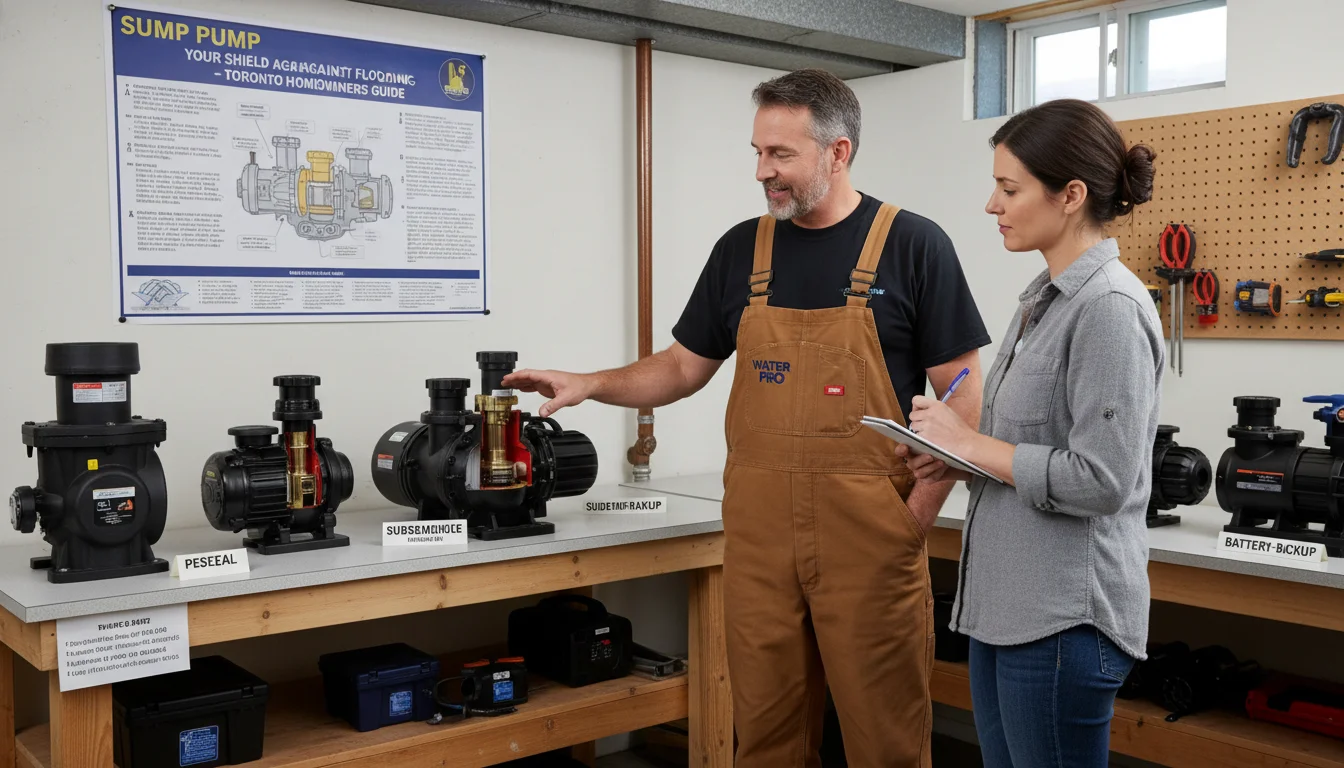
An ejector pump (also called a sewage ejector pump) handles the dirty work—literally. If you want a bathroom, laundry room, or wet bar in your basement and those fixtures sit below the elevation of your main sewer line, gravity won't drain them. You need an ejector pump to grind solid waste and pump it upward to connect with your home's main drainage.
How Ejector Pumps Work
- Waste Collection: Toilet, sink, shower waste flows into sealed ejector basin
- Grinding Action: Built-in grinder/macerator breaks down solid waste
- Float Activation: Wastewater level triggers pump (faster cycle than sump)
- Pressure Pumping: Pump forces sewage upward through 2-4" discharge pipe
- Venting: Sewage gases escape through vent pipe to roof
- Connection: Discharge connects to main sewer line above basement level
When You Need an Ejector Pump
- Adding a basement bathroom below the main sewer line
- Installing a basement laundry room with washer drainage
- Creating a basement apartment with full kitchen and bath
- Retrofitting older Toronto homes where basement fixtures were never planned
- Any below-grade plumbing fixture that can't drain by gravity
⚠️ Warning: Never Mix Systems
Never connect sewage fixtures to a sump pump system. Toronto building codes strictly prohibit mixing groundwater and sewage. Sump pumps lack grinding capability and venting—they'll clog immediately with solid waste. This creates health hazards, code violations, and potential fines. Always install a dedicated ejector pump for sewage. Call (647) 554-4356 if you're unsure about your current setup.
Side-by-Side Comparison: Sump vs Ejector Pump
| Feature | Sump Pump | Ejector Pump |
|---|---|---|
| Primary Function | Remove groundwater/stormwater | Pump sewage from below-grade fixtures |
| What It Handles | Clear water only | Sewage with solid waste |
| Grinding Capability | No grinder (clogs on debris) | Yes—macerates solid waste |
| Basin Type | Open or perforated pit | Sealed, airtight basin |
| Venting Required? | No vent needed | Yes—must vent to outside |
| Discharge Pipe Size | 1.5" - 2" | 2" - 4" (larger for solids) |
| Installation Cost (Toronto) | $800 - $2,000 | $2,500 - $4,500 |
| Maintenance Frequency | Annual testing/cleaning | Every 6-12 months (more critical) |
| Power Failure Impact | Flooding risk during heavy rain | Can't flush toilet/use drains |
| Building Permit Required? | Usually no (verify locally) | Yes—always in Toronto |
| Typical Pump Lifespan | 7-10 years | 5-8 years (harder duty) |
| Battery Backup Option? | Yes—highly recommended | Yes—critical for functionality |
Installation & Operating Costs in Toronto
Budget matters when planning basement improvements. Here's what you'll actually pay in the GTA:
Sump Pump Installation Costs
- Basic pedestal pump: $800-$1,200 installed
- Submersible pump (recommended): $1,200-$1,800
- With battery backup system: $1,800-$2,500
- Premium system (dual pump + backup): $2,500-$3,500
Learn more about sump pump installation and costs.
Ejector Pump Installation Costs
- Standard ejector pump system: $2,500-$3,500
- With grinding capability: $3,000-$4,000
- Complex installations (venting/permits): $3,500-$4,500
- Battery backup add-on: +$800-$1,200
Annual Operating Costs
- Sump Pump Electricity: $20-$50/year (seasonal use)
- Ejector Pump Electricity: $60-$120/year (year-round use)
- Annual Maintenance: $150-$250 for professional inspection
- Battery Replacement: $100-$200 every 3-5 years
💡 Cost-Saving Tip
If you're finishing a basement, install the ejector pump system before pouring the concrete floor. Retrofitting an ejector pump after floor installation adds $1,000-$2,000 for jackhammering and floor repair. Plan ahead and save significantly.
Venting: The Critical Difference
This is where many DIYers and even some inexperienced contractors make dangerous mistakes:
Sump Pump Venting (None Required)
Sump pumps handle clean groundwater—no sewage gases to worry about. The sump pit can have:
- Open top (most common)
- Loose-fitting lid (reduces humidity)
- Small radon mitigation vent (if radon present)
No plumbing code requires venting for standard sump pump installations. The discharge pipe simply connects to exterior drainage.
Ejector Pump Venting (Mandatory)
Ejector pumps create sewage gases (methane, hydrogen sulfide) that must be vented safely to outside air. Ontario Building Code requires:
- 2-inch vent pipe minimum from basin to roof
- Vent pipe must extend above roof line (not just through wall)
- Cannot tie into existing plumbing vents without proper sizing
- Basin must be completely sealed to prevent gas leakage
- Check valve required to prevent backflow into basin
⚠️ Venting Code Violations Are Dangerous
Improperly vented ejector pumps create explosive methane buildup and toxic sewer gas exposure. I've seen DIY installations where ejector pumps vented into ceiling spaces or directly outside through basement walls— both serious code violations. Always hire a licensed plumber for ejector pump installations. Toronto inspectors will fail installations without proper venting. Call (647) 554-4356 for code-compliant installations.
Maintenance Requirements: What You Need to Know
Both pump types require regular maintenance—but ejector pumps demand more attention due to sewage handling.
Sump Pump Maintenance (Annual)
- Test pump operation: Pour water into pit, verify activation
- Clean pit: Remove debris, sediment buildup
- Check discharge pipe: Ensure no freezing/blockages
- Inspect float switch: Confirm free movement
- Test battery backup: Simulate power outage
Best timing: Late February (before spring thaw)
Ejector Pump Maintenance (Every 6-12 Months)
- Inspect basin seal: Check for cracks or leaks
- Test pump and grinder: Verify both components function
- Clean grinder blades: Remove accumulated debris
- Check vent pipe: Ensure no blockages or freezing
- Inspect check valve: Prevent backflow issues
- Test float switch: Critical for preventing overflows
- Examine discharge connection: Ensure secure seal to main sewer
Best timing: Every 6 months (spring and fall)
📊 Maintenance Reality Check
Based on 1,200+ service calls across Toronto (Water Pro data, 2024):
- • 67% of sump pump failures occur during first major rain after winter (untested pumps)
- • 82% of ejector pump emergencies happen on weekends/holidays (higher service costs)
- • Annual maintenance reduces failure rate by 78% for both pump types
- • Average emergency repair: $450-$800 vs. $150-$250 preventive maintenance
- • Battery backup systems prevent 91% of flood damage during power outages
Common Mistakes Toronto Homeowners Make
In 28 years, I've seen these errors repeatedly—often with expensive consequences:
Mistake #1: Using Sump Pump for Sewage
The Problem: Homeowner connects basement bathroom to existing sump pump to "save money."
The Consequences: Immediate clogging, pump failure, sewage backup into basement, health hazard, code violation, potential $5,000-$10,000 cleanup costs.
The Fix: Always install a dedicated sewage ejector pump for any toilet, sink, or shower drainage.
Mistake #2: DIY Ejector Pump Without Permit
The Problem: Homeowner installs ejector pump without building permit or inspection.
The Consequences: Failed home inspection during sale, required removal and reinstallation by licensed plumber, delayed closing, potential safety hazards from improper venting.
The Fix: Always pull permits for ejector pump installations. Toronto requires licensed plumber and inspection for sewage systems.
Mistake #3: No Battery Backup for Either Pump
The Problem: Power outage during heavy rain or while using basement bathroom.
The Consequences:
- Sump pump: Basement flooding, $5,000-$25,000 water damage
- Ejector pump: Can't flush toilet, sewage overflow, emergency plumber call ($300-$600)
The Fix: Install battery backup systems on both pump types. Cost: $800-$1,200 vs. thousands in damage.
Mistake #4: Neglecting Annual Maintenance
The Problem: "It's been working fine for 5 years, why check it?"
The Consequences: Pump fails during spring thaw or while hosting family. Emergency service costs 2-3x regular maintenance. Average emergency: $450-$800 vs. $150-$250 annual service.
The Fix: Schedule annual inspections before peak usage seasons.
Frequently Asked Questions
A sump pump handles clear groundwater and stormwater from foundation drainage, while an ejector pump processes sewage and wastewater from below-grade bathrooms. Sump pumps don't require venting; ejector pumps must be vented to handle sewage gases.
Yes, if your basement bathroom is below the main sewer line. Ejector pumps grind and pump sewage upward to reach the municipal sewer connection. Toilets, showers, and sinks below grade all require an ejector pump system.
No. Sump pumps are designed only for clear water and lack the grinding mechanism needed for solid waste. Using a sump pump for sewage will cause clogs, damage the pump, and create health hazards. Always use a dedicated sewage ejector pump.
Ejector pump installation costs $2,500-$4,500 in Toronto, including the pump, basin, venting, and connection to existing plumbing. Sump pump installation costs $800-$2,000. Complex installations or permit requirements may increase costs.
Yes. Sump pumps need annual testing and cleaning. Ejector pumps require more frequent maintenance (every 6-12 months) due to sewage handling. Both should be inspected before spring thaw and heavy rain seasons in Toronto.
No. Building codes prohibit combining groundwater and sewage systems. Each pump requires a separate sealed basin. Mixing systems creates contamination risks, code violations, and potential health hazards.
Ejector pump failure prevents toilet flushing and drain usage in basement bathrooms. Continued use causes sewage backup into the basin and potential flooding. This is a plumbing emergency requiring immediate professional service.
Ejector pump installations always require permits in Toronto due to sewage handling. Sump pump installations typically don't require permits unless modifying foundation drainage. Always verify with your municipality before installation.
The Bottom Line: Choose the Right Pump
The confusion between sump pumps and ejector pumps is understandable—but the distinction is critical. Sump pumps protect against flooding from groundwater, while ejector pumps make basement bathrooms possible by handling sewage. Never substitute one for the other.
If you're planning a basement bathroom, finishing your basement, or dealing with water issues, get it right from the start. Improper installations create health hazards, code violations, and expensive repairs. Toronto's building codes are strict for good reason—sewage systems affect public health.
Need Sump or Ejector Pump Service?
Licensed plumbers available 24/7. Installation, repair, or emergency service across the GTA.
📞 Call (647) 554-4356Code-compliant installations • 90-day guarantee • 5,234+ families helped
Related Articles
About Mike Thompson
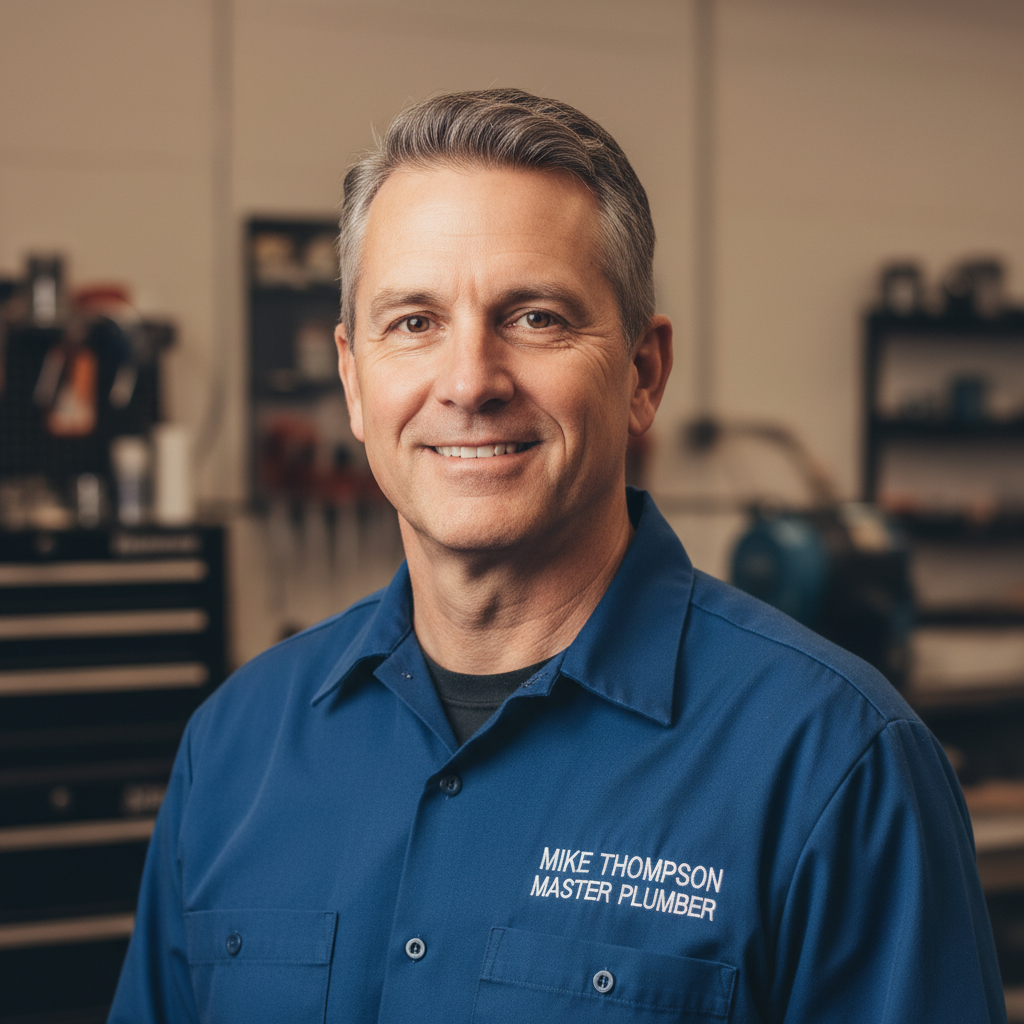
Master Plumber • License #MP-2847 • 28 Years Experience
Mike has installed over 2,400 sump pumps and 800+ ejector pump systems across the GTA. He specializes in basement plumbing solutions and helps homeowners understand the critical differences between drainage systems. Member of the Canadian Institute of Plumbing & Heating (CIPH) and Ontario Plumbing Inspectors Association (OPIA).
🏆 2023 Best Plumber Award - Toronto Home Services