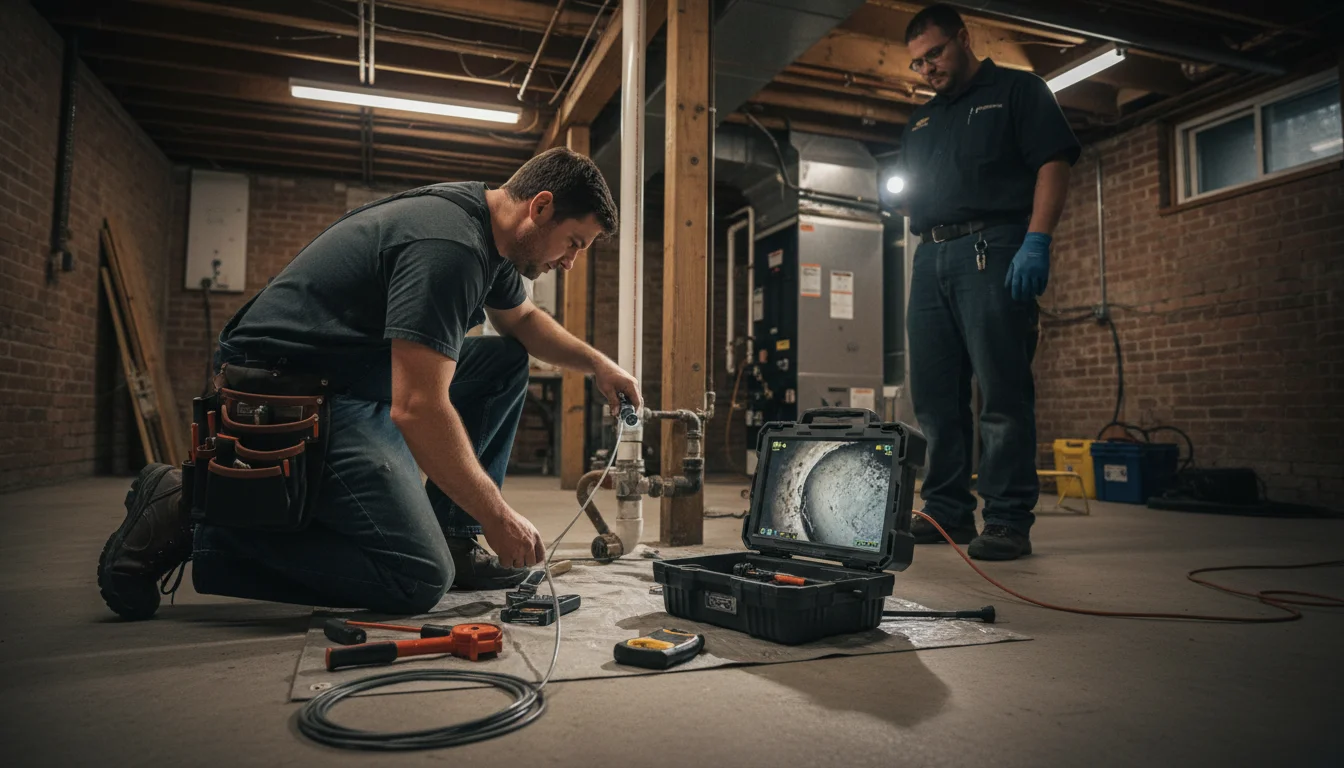
Quick Answer: What Is a Water Line Inspection?
A water line inspection examines the underground pipe that delivers water from the city main to your home. Using specialized cameras and pressure testing equipment, inspectors check for leaks, corrosion, material type, and damage. In Toronto, inspections cost $200-$500 and take 1-2 hours. For homes built before 1955, this inspection can reveal if you still have lead pipes.
Key Takeaways
- Water line inspection costs $200-$500 in Toronto
- Camera inspection reveals pipe material, condition, and blockages
- Essential when buying a home, especially pre-1955 builds
- Identifies lead pipes eligible for City replacement programs
- Can prevent $5,000-$20,000 in emergency repair costs
- Not included in standard home inspections
Your water line is invisible but vital—a buried pipe carrying all the water your household needs from the city main to your home. When it fails, you're facing excavation, landscaping destruction, and repair bills that can exceed $15,000. Yet most Toronto homeowners have never had their water line inspected. For immediate help, call (647) 554-4356 to schedule an inspection.
After 28 years inspecting water lines across the GTA, I've seen everything from 100-year-old lead pipes still technically functioning to brand new copper lines already corroded. This guide explains what a water line inspection involves, when you need one, and how it can save you from expensive surprises.
What Is a Water Line Inspection?
A water line inspection examines the underground service line that runs from the city water main (usually located under the street) to your home's water meter. This pipe is your responsibility from the curb stop valve—typically at the property line—to your house.
What Does a Water Line Inspection Include?
A comprehensive water line inspection examines:
- Pipe material identification — Copper, lead, galvanized steel, plastic, or combination
- Interior pipe condition — Corrosion, mineral buildup, tuberculation
- Structural integrity — Cracks, fractures, joint separation
- Flow rate and pressure — Actual vs. expected water delivery
- Connection points — Where pipe enters home and connects to city main
- Visible leaks or damage — Active issues requiring immediate attention
Water Line Inspection Methods
Different inspection methods provide different levels of detail. Here's what each involves:
Camera (CCTV) Inspection
Most Common • $250-$400
A waterproof camera attached to a flexible cable is inserted into your water line, providing real-time video of the pipe's interior. This reveals the pipe material, condition, and any blockages or damage.
Best For:
- • Identifying pipe material (lead vs copper)
- • Locating blockages or buildups
- • Pre-purchase home inspections
- • Documenting pipe condition
Limitations:
- • Can't detect small pinhole leaks
- • May not navigate severe bends
- • Requires cleanout access point
Pressure Testing
Leak Detection • $150-$250
The water line is isolated and pressurized, then monitored for pressure loss. Any drop indicates a leak somewhere in the line. This test confirms whether your line is watertight.
Best For:
- • Detecting active leaks
- • Confirming line integrity
- • Post-repair verification
- • Insurance documentation
Limitations:
- • Doesn't locate leak position
- • Doesn't show pipe condition
- • Requires water shutoff
Comprehensive Inspection
Full Assessment • $350-$500
Combines camera inspection with pressure testing and flow rate measurement for complete water line assessment. Includes a detailed written report with video documentation.
💡 Pro Tip from Mike
If you're buying a home, always request the comprehensive inspection with camera and pressure testing. The extra $100-$150 is nothing compared to discovering a $12,000 water line replacement after you've closed. Book your inspection with Water Pro—call (647) 554-4356.
When Do You Need a Water Line Inspection?
Not every home needs regular water line inspections. Here are the situations where an inspection is strongly recommended:
1. Buying or Selling a Home
Standard home inspections in Ontario don't include the underground water line. A separate inspection reveals hidden problems that could cost thousands after you've taken ownership. Sellers benefit too—a clean inspection report can reassure buyers and prevent last-minute negotiations.
2. Homes Built Before 1955
Toronto homes built before 1955 often have lead service lines. The City of Toronto's Lead Water Service Replacement Program may cover replacement costs, but you need documentation that confirms lead pipes are present.
3. Unexplained Water Bill Increases
If your water bill suddenly jumps 30% or more without increased usage, an underground leak is likely. A camera inspection can locate the problem before it causes foundation damage or sinkholes.
4. Low Water Pressure Throughout Home
Consistently low pressure at all fixtures—not just one—often indicates water line problems: corrosion restricting flow, partial blockages, or an undersized pipe from decades ago.
5. After Ground Disturbance
Construction projects, tree removal, or heavy equipment near your water line can damage the pipe. An inspection after such work confirms everything is intact.
7 Warning Signs You Need an Inspection Now
Don't wait for a complete failure. These warning signs suggest your water line needs professional assessment:
🚰 Rusty or Discolored Water
Brown, orange, or yellow water indicates corrosion inside your pipes. Galvanized steel and old iron pipes commonly cause this.
💧 Unexplained Wet Spots
Soggy areas in your yard that never dry, especially in a line from street to house, suggest an underground leak.
📉 Sudden Pressure Drop
Water pressure that suddenly decreases throughout your home could mean a line break or major obstruction.
💰 Spiking Water Bills
A 30%+ increase without usage changes means water is going somewhere—often into the ground through a leak.
🔊 Strange Noises
Hissing, bubbling, or whistling sounds when no water is running can indicate a pressurized leak.
🏚️ Old Home, Unknown Pipes
If your home is 40+ years old and you don't know what material your water line is, an inspection provides clarity.
🌡️ Frozen Pipe History
Pipes that have frozen previously may have hairline cracks that worsen over time. Inspection reveals hidden damage.
Experiencing any of these signs? Call (647) 554-4356 for same-day water line inspection in the GTA.
What Your Water Line Might Be Made Of
Toronto's housing history means water lines vary dramatically in material depending on when your home was built. Each material has different lifespans and concerns:
Lead Pipes
Pre-1955 construction
Lead pipes were standard in Toronto until the mid-1950s. While they can last 100+ years mechanically, they leach lead into drinking water—a serious health concern, especially for children.
What to do: If inspection confirms lead, apply for the City's replacement program. Learn more: Toronto Lead Pipe Replacement Guide
Galvanized Steel
1920s-1960s construction
Galvanized pipes have a zinc coating that corrodes over time, creating buildup that restricts flow and causes rusty water. Lifespan is typically 40-70 years—many are now past their prime.
What to do: Budget for replacement within 5-10 years if heavily corroded. See: Water Line Replacement Options
Copper
1960s-present
Copper became the standard after lead was phased out. It's durable, resists corrosion, and doesn't leach harmful chemicals. Properly installed copper can last 50-80+ years.
What to do: Inspect every 10 years for pinhole leaks, especially in areas with acidic water.
PVC / Plastic (PEX)
1980s-present
Plastic water lines are increasingly common in newer construction. They don't corrode, are flexible enough to resist frost damage, and are cost-effective to install.
What to do: Inspect after any ground disturbance; plastic can be punctured more easily than metal.
Water Line Inspection Costs in Toronto
Here's what Toronto homeowners typically pay for water line inspection services:
| Inspection Type | Price Range | What's Included |
|---|---|---|
| Visual Inspection Only | $150 - $250 | Visible connections, meter area, entry point |
| Camera (CCTV) Inspection | $250 - $400 | Interior pipe video, material ID, condition report |
| Pressure Testing | $150 - $250 | Leak detection, flow rate measurement |
| Comprehensive Package | $350 - $500 | Camera + pressure test + written report + video |
| Lead Test Kit (DIY) | $15 - $40 | Surface test only; doesn't show full line |
💡 Pro Tip from Mike
Many plumbing companies apply the inspection fee toward repairs if you choose them for the work. At Water Pro, our $350 comprehensive inspection is credited 100% toward any water line repair or replacement we perform. Call (647) 554-4356 to schedule.
What to Expect During an Inspection
Here's the typical water line inspection process, from booking to final report:
1. Scheduling & Preparation (5 min)
We'll confirm access points and ask about any known issues. You don't need to do anything to prepare—just ensure access to your water meter area.
2. Visual Exterior Assessment (15-20 min)
Inspector examines visible connections at the meter, wall entry point, and any cleanout access points. Checks for signs of moisture, corrosion, or previous repairs.
3. Camera Insertion & Recording (30-45 min)
Specialized camera navigates through the water line, recording video. You can watch in real-time as the inspector explains what they're seeing.
4. Pressure Testing (15-20 min)
Line is isolated and pressurized to detect any leaks. Flow rate is measured to identify restrictions. Water is briefly shut off during this phase.
5. Results Discussion (10-15 min)
Inspector reviews findings with you on-site, explaining pipe material, condition, any concerns, and recommended next steps. Written report follows within 24-48 hours.
What Problems Can Inspections Reveal?
Camera and pressure testing can identify issues you'd never know about until something fails:
Lead Pipe Confirmation
Visual confirmation that your service line is lead, qualifying you for City replacement programs that can save thousands.
Mineral Buildup
Scale and mineral deposits that restrict water flow. Often the cause of gradually decreasing water pressure over years.
Hidden Leaks
Pinhole leaks, cracked joints, and failing connections that waste water and damage foundations before becoming visible.
Root Intrusion
Tree roots seeking moisture can penetrate pipe joints, especially in older clay or cast iron lines with deteriorating gaskets.
Corrosion Damage
Internal corrosion that weakens pipe walls—a common issue in galvanized steel lines that leads to eventual failure.
Joint Separation
Ground settlement or frost heave can pull pipe sections apart at joints, causing leaks and pressure loss.
Toronto Water Line Programs & Resources
The City of Toronto offers several programs for water line concerns:
🏛️ City of Toronto Programs
Lead Water Service Replacement Program
The City will replace the portion of your lead water line on City property (from main to property line) at no cost. Homeowners are responsible for the private portion, but grants and low-interest loans are available.
Learn more about the Lead Program →Free Lead Testing
Toronto residents can request a free water test kit from the City to check for lead content in their drinking water.
Request free test kit →311 Water Emergency Line
For water main breaks affecting the street or city portion of service: call 311 or 416-338-8888. For your private line, call a licensed plumber.
⚠️ Important: City vs. Your Responsibility
The City maintains the water main and typically the line up to the curb stop valve. From the curb stop to your home is your responsibility. Before repair or replacement, confirm where the property line falls—Water Pro can help with this assessment. Call (647) 554-4356.
Frequently Asked Questions
Water line inspection in Toronto costs $200-$500 depending on the method. Basic visual inspection runs $200-$300, camera (CCTV) inspection costs $250-$400, and comprehensive pressure testing with camera costs $350-$500. These prices typically include a detailed report.
Yes, a water line inspection is highly recommended when buying a Toronto home, especially homes built before 1955 which may have lead pipes or galvanized steel. While not legally required, discovering water line problems before purchase can save $5,000-$20,000 in unexpected repairs. Many home inspectors don't check underground water lines.
A water line camera inspection reveals pipe material (copper, lead, galvanized, PVC), corrosion or mineral buildup inside pipes, cracks or fractures, root intrusion, joint separation, and pipe diameter. The camera captures video footage and images that document the current condition of your water line.
For Toronto homes, we recommend a water line inspection every 5-10 years for homes with copper pipes, every 3-5 years for homes with older galvanized or lead pipes, immediately when buying or selling a home, and after any significant ground disturbance (construction, tree removal) near your water line.
Key signs you need a water line inspection include unexplained increases in your water bill (30% or more), low water pressure throughout your home, discolored or rusty water, wet spots in your yard that won't dry, visible rust at your water meter connection, and your home being built before 1955 (possible lead pipes).
No, standard home inspections in Ontario typically only check visible indoor plumbing fixtures and water pressure at taps. They don't inspect the underground water line from the street to your home. A separate water line inspection with camera equipment is needed to assess the buried portion of your service line.
The Bottom Line
Your water line is the critical connection between city water and your home. An inspection costing $200-$500 can reveal hidden problems, confirm pipe material, and prevent emergencies that cost $10,000-$20,000 to fix.
For Toronto homeowners—especially those with older homes or unexplained water issues—a comprehensive water line inspection is one of the smartest investments you can make in your property's infrastructure.
Schedule Your Water Line Inspection
Know what's underground before it becomes an emergency. Licensed plumbers, detailed reports.
📞 Call (647) 554-4356Same-day appointments • Comprehensive reports • 90-day guarantee
Related Articles

About Mike Thompson
Master Plumber • License #MP-2847 • 28 Years Experience
Mike has been inspecting and repairing water lines across the GTA since 1996. He specializes in diagnostic inspections and trenchless repair technology for both residential and commercial properties. Member of the Canadian Institute of Plumbing & Heating (CIPH).
View Full Profile →