Quick Answer: How Much Does Water Pipe Repair Cost in Toronto?
Water pipe repair in Toronto costs $150 to $2,500+ depending on pipe material, damage extent, and accessibility. Minor copper pinhole leak repair: $150-$350. Section replacement (5-10 feet): $400-$800. Full galvanized pipe replacement: $1,500-$2,500+. Emergency burst pipe repair adds 50-100% to these costs.
Key Takeaways
- Copper pinhole leak repair: $150-$350 (common in Toronto homes 1960-2000)
- Section replacement costs: $400-$800 per 5-10 foot section
- Galvanized pipe replacement: $1,500-$2,500+ (recommended for 50+ year old pipes)
- PEX repiping: $1,200-$2,000 per bathroom (modern, freeze-resistant)
- Emergency burst pipe: Add 50-100% to regular rates
- Copper Type L lasts longer than Type M in Toronto's water conditions
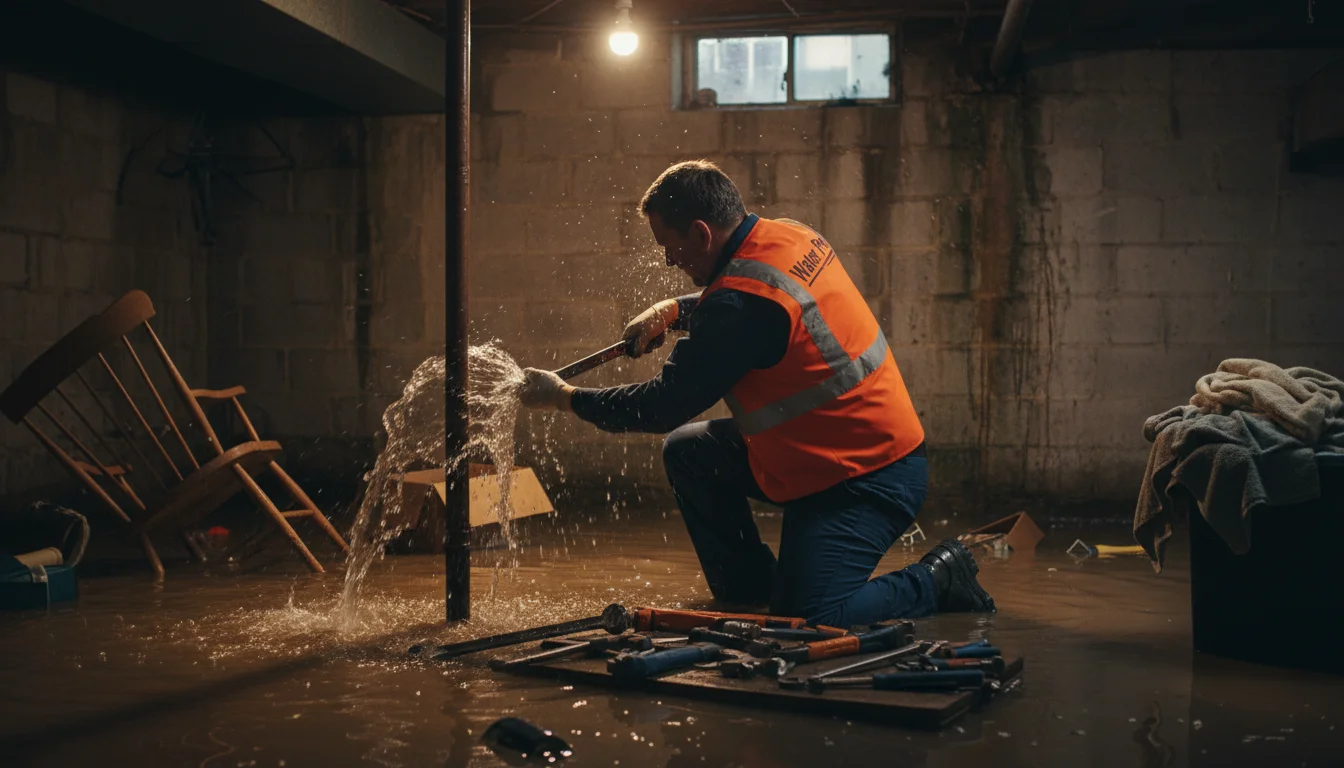
I'll never forget the panicked call I got at 2am from a homeowner in The Beaches. "Mike, there's water pouring from my basement ceiling! What do I do?" A copper pinhole leak had turned into a full burst pipe. What started as a tiny $200 repair turned into $1,400 in emergency service and water damage. If you're seeing wet spots on walls, hearing dripping sounds, or notice your water bill creeping up, don't wait. Call (647) 554-4356 for immediate assessment.
After 28 years of repairing water pipes across the GTA, I've learned that Toronto's unique water conditions—high chlorine, fluctuating pH levels, and extreme temperature swings—create specific challenges for interior plumbing. This guide breaks down exactly what you need to know about repairing water pipes in your home.
Toronto Water Pipe Repair Costs: Complete Breakdown
Here's what GTA homeowners actually pay for professional water pipe repair in 2025. These prices reflect interior water pipes—not main water line repairs (which cost significantly more).
| Repair Type | Price Range | Timeline |
|---|---|---|
| Copper Pinhole Leak (Single) | $150 - $350 | 1-2 hours |
| Pipe Clamp/Epoxy (Temporary) | $100 - $200 | 30-60 min |
| Soldered Joint Repair | $175 - $400 | 2-3 hours |
| Section Replacement (5-10 ft) | $400 - $800 | 3-5 hours |
| Burst Pipe Emergency Repair | $350 - $900 | 2-4 hours |
| Galvanized Pipe Section (10 ft) | $500 - $1,200 | 4-6 hours |
| Full Galvanized Replacement | $1,500 - $2,500+ | 1-3 days |
| PEX Repiping (per bathroom) | $1,200 - $2,000 | 1-2 days |
| Wall/Ceiling Access & Repair | $200 - $600 | Varies |
💡 Pro Tip from Mike
If you have one pinhole leak in copper pipes installed 1960-2000, expect more to follow. Toronto's chlorinated water accelerates corrosion in Type M copper (thinner walls). Consider section replacement instead of patching individual leaks—it costs 2-3x upfront but saves you from 5-10 repeat service calls. Need honest advice? Call Water Pro at (647) 554-4356.
Types of Water Pipe Damage in Toronto Homes
Not all pipe problems are the same. Here's what I see most often across the GTA, organized by how urgently they need attention:
1. Copper Pinhole Leaks (Most Common in Toronto)
Pinhole leaks are tiny holes (literally pin-sized) that form in copper pipes from the inside out. Toronto's water chemistry—specifically high chlorine levels and fluctuating pH—creates the perfect storm for this type of corrosion.
🔬 Why Toronto Water Corrodes Copper
According to the City of Toronto Water Quality Reports, municipal water contains:
- • Chlorine levels: 0.6-1.0 mg/L (higher than many cities)
- • pH: 7.3-8.0 (slightly alkaline, but can fluctuate)
- • Soft water areas (low calcium = more aggressive)
- • Temperature swings: Cold Toronto winters create thermal stress
Homes at highest risk:
- Built 1960-2000 (Type M copper pipes with thinner walls)
- Located in areas with soft water (Scarborough, parts of North York)
- Homes with hot water recirculation systems (accelerates corrosion)
- Properties near major water main work (sediment causes electrolysis)
Repair options:
- Single leak: Solder repair ($150-$350)
- Multiple leaks (3+): Replace entire section ($400-$800 per section)
- Widespread pinhole leaks: Consider full repiping with PEX ($1,200-$2,000 per bathroom)
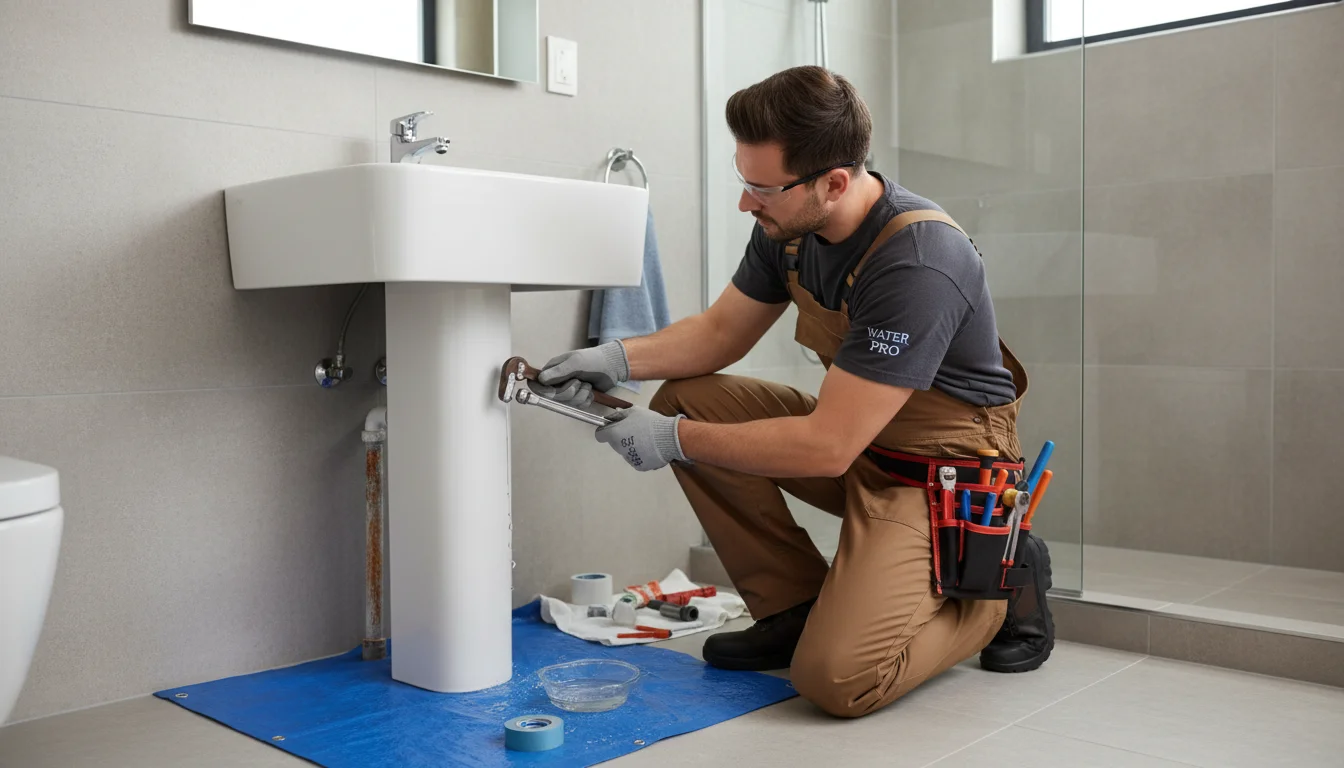
2. Corroded Galvanized Steel Pipes
If your home was built before 1960, you likely have galvanized steel pipes. These pipes have a zinc coating that protects the steel underneath—but after 50-60 years, that coating is gone. What's left? Rusty iron that's corroding from the inside, restricting water flow and contaminating your water.
Signs of galvanized pipe failure:
- Rust-colored water (especially first thing in the morning)
- Low water pressure throughout the house
- Metallic taste in drinking water
- Visible corrosion on exposed pipes in basement
- Frequent leaks at pipe joints
⚠️ Don't Repair Old Galvanized Pipes—Replace Them
If your galvanized pipes are 50+ years old and you're experiencing leaks, don't waste money on repairs. The entire system is failing. A temporary repair on one section means another leak will spring up within weeks or months. Full replacement with PEX or copper ($1,500-$2,500+) is the only permanent solution. Get a free assessment: (647) 554-4356.
3. Joint Failures and Compression Fitting Leaks
Pipe joints are where two sections connect—and they're the weakest point in any plumbing system. Over time, joints can fail due to:
- Thermal expansion/contraction: Toronto's -20°C to +30°C swings stress joints
- Poor original installation: Improperly soldered or over-tightened fittings
- Water hammer: Pressure surges from quick-closing valves damage joints
- Age: 30+ year old solder joints can develop micro-cracks
Repair cost: $175-$400 per joint (requires re-soldering or compression fitting replacement)
4. Frozen and Burst Pipes (Winter Emergency)
Toronto winters hit -20°C regularly. Pipes in unheated spaces (crawl spaces, exterior walls, uninsulated basements) can freeze solid. When water freezes, it expands 9%—enough force to burst even thick copper pipes.
High-risk locations in Toronto homes:
- Pipes in exterior walls (especially north-facing)
- Uninsulated crawl spaces and rim joists
- Garage water lines
- Outdoor hose bibs (if not winterized)
- Basement ceiling pipes near foundation (in older homes)
Emergency burst pipe repair: $350-$900 (includes temporary shutoff, pipe replacement, cleanup). For frozen pipe thawing and burst pipe emergency service, call (647) 554-4356 immediately.
5. Cracks and Splits in Old Cast Iron/CPVC
While cast iron is typically used for drain pipes, some older Toronto homes have cast iron water supply lines. CPVC (plastic) pipes installed 1970s-1990s can become brittle over time and develop cracks.
- Cast iron cracks: Usually require section replacement ($600-$1,200)
- CPVC cracks: Often due to UV exposure, chemical stress, or age ($200-$500 to replace section)
6. Tree Root Intrusion (Rare for Interior Pipes)
Tree roots seeking moisture can intrude into exterior water supply lines (main line from street to house). This is covered in our water line repair guide. Interior pipes are almost never affected by roots—if a plumber suggests roots are your problem indoors, get a second opinion.
Common Pipe Materials in Toronto Homes & Their Issues
The type of pipe material in your home dictates what kind of damage you'll encounter and how much repairs will cost. Here's what I find in Toronto homes by construction era:
Copper Pipes (1950s-Present)
Two types: Type L (thicker, 0.045" walls) and Type M (thinner, 0.028" walls).
Type L Copper (Pre-1980)
Found in: Homes built 1950-1980
Wall thickness: 0.045 inches (thicker)
Lifespan: 50-70 years
Pinhole leak risk: Low to moderate
✓ Better for Toronto water quality
Type M Copper (1980-2000)
Found in: Homes built 1980-2000
Wall thickness: 0.028 inches (thinner)
Lifespan: 20-40 years
Pinhole leak risk: High in Toronto
⚠️ More prone to corrosion
Common copper pipe issues:
- Pinhole leaks: Internal corrosion from chlorinated water
- Green patina: External corrosion (cosmetic, usually not structural)
- Electrolysis: When copper touches dissimilar metals (steel, brass)
- Erosion corrosion: High water velocity wears away pipe walls
Repair costs: $150-$800 depending on extent
Galvanized Steel Pipes (1900s-1960s)
Galvanized pipes were the standard for water supply until copper became affordable in the 1960s. They consist of steel pipes coated with zinc to prevent rust—but the coating only lasts 40-50 years.
Problems with galvanized pipes:
- Internal corrosion: Rust buildup narrows pipe diameter (reduced water flow)
- Brown/orange water: Rust particles in drinking water
- Threaded joint leaks: Joints corrode and leak first
- Lead contamination risk: Pre-1960 galvanized pipes may contain traces of lead
Replacement is almost always recommended over repair for pipes 50+ years old. Cost: $1,500-$2,500+ for full home repiping.
PEX (Cross-Linked Polyethylene) — Modern Standard
PEX is the modern choice for water pipe replacement and new construction. It's flexible plastic tubing that's freeze-resistant, corrosion-proof, and faster to install than copper.
PEX advantages for Toronto homes:
- Freeze tolerance: Expands without bursting (critical for Toronto winters)
- No corrosion: Immune to Toronto's chlorinated water
- Faster installation: Flexible tubing requires fewer fittings (lower labor cost)
- Quiet operation: No water hammer noise like copper
- 50+ year lifespan
PEX repiping costs: $1,200-$2,000 per bathroom (includes removing old pipes, running new PEX)
💡 Pro Tip from Mike
If you're replacing copper pipes due to pinhole leaks, switch to PEX. It costs about the same as copper replacement ($1,200-$2,000 per bathroom) but eliminates the risk of future pinhole leaks. PEX is also freeze-resistant—critical for Toronto homes with pipes near exterior walls.
CPVC (Chlorinated Polyvinyl Chloride)
CPVC was popular 1970s-1990s as a cheaper alternative to copper. It's rigid plastic piping that can handle hot water (unlike regular PVC).
CPVC problems:
- Brittleness: Becomes brittle after 20-30 years (cracks easily)
- UV sensitivity: Sunlight exposure degrades plastic
- Chemical degradation: High chlorine levels can weaken CPVC over time
- Fitting failures: Glued joints can separate under stress
Repair: Section replacement ($200-$500) or full repiping with PEX ($1,200-$2,000 per bathroom).
Water Pipe Repair Methods: Pros, Cons & Costs
There are several ways to fix a leaking water pipe. The right method depends on pipe material, leak location, damage extent, and your budget. Here's what professional plumbers use:
1. Soldering (Permanent Fix for Copper)
Best for: Copper pinhole leaks, split sections, joint repairs
Soldering involves cutting out the damaged section, cleaning the pipe ends, applying flux, and using a torch to melt solder that bonds copper pieces together. This creates a permanent, watertight seal that lasts 40+ years.
Process:
- Shut off water supply and drain pipes
- Cut out damaged section (6-12 inches beyond leak)
- Clean pipe ends with sandpaper/wire brush
- Apply flux to cleaned surfaces
- Heat joint with propane/MAPP gas torch
- Touch solder to joint—capillary action pulls it in
- Cool, test for leaks, restore water
Cost: $175-$400 per repair (includes materials, labor)
Timeline: 2-3 hours
Lifespan: 40+ years when done properly
Pros:
- Permanent repair
- Same strength as original pipe
- No loss of water pressure
- Meets all building codes
Cons:
- Requires skill and proper tools (not DIY-friendly)
- Fire risk if not done carefully
- Can't be used on wet pipes (must drain completely)
2. Compression Fittings (No-Solder Alternative)
Best for: DIY-friendly repairs, locations where torching isn't safe
Compression fittings use a brass nut and ferrule (ring) that compress onto the pipe when tightened. No heat or soldering required—just cut, slide on fitting, tighten with wrenches.
Cost: $200-$450 (slightly higher than soldering due to fitting costs)
Timeline: 1-2 hours
Lifespan: 20-30 years
Pros:
- No torch required (safer in tight spaces)
- Can be disconnected later if needed
- Works on copper, PEX, CPVC
- DIY-friendly for homeowners
Cons:
- More expensive than soldering
- Slightly higher leak risk if over-tightened
- Bulkier than soldered joints
- Can't be used in tight spaces
3. Pipe Clamps & Epoxy (Temporary Emergency Fix)
Best for: Emergency temporary repair until permanent fix can be scheduled
Pipe clamps are rubber-lined metal clamps that wrap around a leak. Epoxy putty is a two-part compound that hardens around the damaged area. Both are TEMPORARY fixes—they buy you time but don't replace proper repair.
Cost: $100-$200 (professional installation) or $15-$40 DIY materials
Timeline: 30-60 minutes
Lifespan: 6 months to 2 years (NOT permanent)
When to use:
- Emergency leak on weekend/holiday until plumber arrives Monday
- Temporary fix while saving for full replacement
- Small pinhole leak in hard-to-access area (behind finished wall)
⚠️ Pipe Clamps Are NOT Permanent Solutions
I see this all the time: homeowners use a $20 pipe clamp from Home Depot as a "permanent" fix. Six months later, the leak comes back—or a new one springs up 2 feet away. Pipe clamps and epoxy are emergency Band-Aids, not repairs. If you're relying on a clamp for more than a few weeks, schedule a proper repair before the next leak appears.
4. Section Replacement (5-10 Foot Sections)
Best for: Multiple pinhole leaks in one area, corroded sections
When you have 2-3 pinhole leaks within a 5-10 foot section of pipe, it's more cost-effective to replace the entire section than repair individual leaks. This prevents future leaks in the same corroded area.
Cost: $400-$800 per 5-10 foot section
Timeline: 3-5 hours
Lifespan: 40-50+ years (matches new pipe lifespan)
When section replacement makes sense:
- 3+ leaks within 10 feet of each other
- Visible corrosion/green patina on copper
- Low water pressure in one area of house
- Pipes installed 1980-2000 (Type M copper at end of life)
5. Full Repiping (Whole House or Floor)
Best for: Galvanized pipes 50+ years old, widespread pinhole leaks, low water pressure throughout house
Full repiping means replacing all water supply pipes in your home (or a specific floor/area). This is a major project but provides a permanent solution and adds value to your home.
Cost:
- Single bathroom: $1,200-$2,000
- Full basement: $2,500-$4,000
- Entire home (1,500 sq ft): $4,000-$8,000+
Timeline: 1-5 days depending on home size
Lifespan: 50+ years (PEX or Type L copper)
When to consider full repiping:
- Galvanized pipes 50+ years old
- Multiple pinhole leaks throughout house
- Low water pressure in multiple locations
- Discolored/rusty water from taps
- Planning major renovation anyway (walls already open)

Signs You Need Water Pipe Repair (Don't Ignore These)
Catching pipe problems early saves thousands in water damage and emergency repairs. Here are the warning signs every Toronto homeowner should watch for:
1. Low Water Pressure (Gradually Worsening)
If your shower feels weaker than it used to, or faucets take forever to fill a pot, you likely have internal corrosion reducing pipe diameter. This is especially common in galvanized steel pipes where rust buildup narrows the water pathway.
Test: Turn on multiple taps at once—if pressure drops significantly, your pipes are likely corroded.
2. Discolored Water (Brown, Orange, or Yellow)
Rust-colored water = corroded pipes. If you see brown or orange water first thing in the morning (that clears after running for 30 seconds), your pipes are shedding rust particles into your water supply.
Health concern: While iron itself isn't toxic, rusty water can contain bacteria and indicates deteriorating pipe conditions. Don't drink it. Call (647) 554-4356 for inspection.
3. Unexplained Water Bill Increase
A hidden leak can waste 30-50 gallons per day—adding $30-$100+ to your monthly water bill. If your usage increased 20%+ without explanation (new dishwasher, extra people, etc.), suspect a leak.
Leak detection test:
- Turn off ALL water fixtures (toilets, taps, ice makers, washing machine)
- Check your water meter
- Wait 2-3 hours without using any water
- Check meter again
- If meter moved, you have a leak
4. Damp Spots on Walls, Ceilings, or Floors
Wet spots, water stains, or peeling paint indicate water escaping from pipes hidden in walls or ceilings. Even small pinhole leaks can cause significant water damage over time—mold growth, structural damage, electrical hazards.
⚠️ Mold Grows Within 24-48 Hours
If you see a damp spot on your wall, you have 24-48 hours before mold starts growing inside the wall cavity. Mold remediation costs $500-$3,000+—far more than a $150-$350 pipe repair. Don't wait. Emergency service available 24/7: (647) 554-4356.
5. Sounds of Running Water (When Nothing's On)
Hear water running in walls when all taps are off? That's a leak. Common in:
- Basement ceiling (pipes from upper floors)
- Behind bathroom walls
- Under kitchen sink area
6. Musty Odor or Visible Mold
That "basement smell" might not be normal dampness—it could be a slow leak creating perfect conditions for mold. Toronto's humidity already creates mold risk; hidden water leaks make it worse.
7. High Water Bills Despite Normal Usage
If you're not using more water but your City of Toronto water bill jumped 20%+, you likely have a hidden leak. The average Toronto household uses 250-300L per day. A pinhole leak can waste 50-100L/day unnoticed.
8. Metallic Taste in Water
Corroded galvanized pipes leach iron (and sometimes lead) into your water supply. If your tap water tastes metallic or "coppery," your pipes are breaking down. This is especially concerning in homes built pre-1960.
Toronto-Specific Water Pipe Challenges
Living in Toronto comes with unique plumbing challenges that affect how and when pipes fail. Here's what makes the GTA different:
Older Housing Stock = Older Pipes
Many Toronto neighborhoods—The Annex, Rosedale, Leslieville, Parkdale, East York—have homes built 1900-1970. These homes often have original galvanized or early copper pipes that are well past their intended lifespan.
High-risk Toronto neighborhoods (by construction era):
- Pre-1960 (galvanized pipes): Cabbagetown, The Beaches, Little Italy, Trinity-Bellwoods
- 1960-1980 (Type L copper): Don Mills, Willowdale, parts of Scarborough
- 1980-2000 (Type M copper - pinhole leak risk): North York subdivisions, Etobicoke suburbs
Toronto Municipal Water Quality Effects
According to the City of Toronto's 2024 Water Quality Report, municipal water has:
- Chlorine: 0.6-1.0 mg/L (higher than many cities—accelerates copper corrosion)
- pH: 7.3-8.0 (alkaline, but can fluctuate seasonally)
- Hardness varies by area:
- Soft water: Scarborough, parts of North York (more corrosive to copper)
- Moderate hardness: Downtown core, Etobicoke
- Hard water: Some York Region areas (less corrosive but more scale buildup)
Why this matters: Soft, chlorinated water is more aggressive to copper pipes. Homes in Scarborough and North York with Type M copper pipes (1980-2000) are at highest risk for pinhole leaks.
Extreme Temperature Swings
Toronto sees temperature swings from -20°C (January) to +30°C (July)—a 50°C range. This causes:
- Thermal expansion/contraction: Pipes expand when hot, contract when cold—stresses joints
- Freeze risk: Pipes in exterior walls, crawl spaces, and uninsulated basements can freeze
- Accelerated aging: 50 years of expansion/contraction cycles = earlier failures
For winter pipe protection and frozen pipe thawing, see our frozen pipe prevention guide.
Water Main Work = Pressure Surges
Toronto Water performs thousands of water main repairs and replacements annually. When they shut off and restore water to entire blocks, the resulting pressure surges can stress old pipes and cause leaks.
If you notice a leak shortly after water main work on your street, it's likely related. The city isn't liable for damage to private plumbing, but the timing isn't coincidence.
When to Repair vs. Replace Water Pipes
This is the question I get asked most: "Should I just fix this one leak, or replace the whole thing?" Here's my honest, experience-based answer:
REPAIR if:
- Single isolated leak in otherwise healthy pipes
- Pipes are less than 30 years old (Type L copper or PEX)
- Good water pressure throughout house
- No discoloration or water quality issues
- First leak you've had in this home
- Emergency burst pipe (repair now, assess replacement later)
REPLACE if:
- Galvanized pipes 50+ years old (don't waste money on repairs)
- 3+ pinhole leaks in copper pipes (more coming soon)
- Low water pressure throughout house
- Discolored/rusty water from taps
- Type M copper pipes installed 1980-2000 (at end of life in Toronto water)
- Planning renovation anyway (walls already open = lower labor cost)
- Multiple repairs in past 2-3 years (you're throwing good money after bad)
💡 Pro Tip from Mike
Here's my rule of thumb: If repair costs are more than 30% of replacement cost, replace instead. Example: Section replacement costs $600. Full bathroom repiping costs $1,800. If you're facing a $600 repair now, you'll likely spend another $600-$1,200 on future leaks in the next 2-3 years. Better to invest $1,800 once and be done for 50+ years.
DIY vs. Professional Water Pipe Repair
Some homeowners ask: "Can I fix this myself?" The honest answer: temporary emergency fixes? Yes. Permanent repairs? Probably not.
DIY-Friendly (Temporary Only)
- Pipe clamps: $15-$30 at hardware stores (lasts 6-24 months)
- Epoxy putty: $10-$20 (emergency patch, not permanent)
- Compression fittings: $20-$50 (requires pipe cutter and wrenches)
- Shutoff valve replacement: $30-$60 (if you're handy)
Requires Professional Plumber
- Soldering copper pipes: Requires torch, flux, skill, and fire safety knowledge
- Wall/ceiling access: Cutting drywall, repairing after, preventing mold
- Building code compliance: Permits required for extensive work
- Hidden leaks: Requires leak detection equipment
- Galvanized pipe replacement: Threading new pipes, proper connections
⚠️ DIY Soldering Gone Wrong Costs More to Fix
I've been called out dozens of times to fix failed DIY solder repairs. Common mistakes: insufficient heat (solder doesn't flow properly), too much heat (burns pipe/fittings), water left in pipe (prevents proper seal), wrong flux/solder. A failed DIY repair now costs $250-$400 to redo professionally—more than just calling a pro initially ($175-$350). Plus, you risk fire damage if torch work goes wrong. Get it done right the first time: (647) 554-4356.
Frequently Asked Questions
Water pipe repair in Toronto costs $150-$2,500+ depending on pipe material and damage extent. Minor copper pinhole leak repair: $150-$350. Section replacement (5-10 feet): $400-$800. Full galvanized pipe replacement: $1,500-$2,500+.
Copper pinhole leaks in Toronto are caused by: high chlorine levels in municipal water (accelerates corrosion), acidic water pH below 7.0, electrolysis from dissimilar metals, and soft water with low mineral content. Homes built 1960-2000 with Type M copper are most affected.
Replace galvanized pipes if: pipes are 50+ years old, you have multiple leaks, water pressure is low, or water is discolored. Repair only for isolated emergency leaks. Full replacement ($1,500-$2,500) prevents recurring problems and improves water quality.
Professional pipe repairs last: soldered copper joints 40+ years, compression fittings 20-30 years, epoxy pipe clamps 5-10 years (temporary), PEX replacements 50+ years. Lifespan depends on water quality, installation quality, and pipe material.
DIY temporary fixes (pipe clamp, epoxy putty) work for emergencies, but require professional permanent repair. Soldering copper pipes requires skill, proper torch technique, and building code knowledge. Most DIY repairs fail within 1-2 years. Professional repair costs $150-$350 and lasts decades.
Type L copper has thicker walls (0.045 inch for 1/2-inch pipe) than Type M (0.028 inch). Type L lasts longer and resists pinhole leaks better. Toronto homes built before 1980 often have Type L; 1980-2000 homes have thinner Type M (more prone to leaks). Type L costs 20-30% more but prevents future repairs.
Home insurance covers sudden burst pipe damage (flooding, wall/floor damage) but not gradual corrosion or slow leaks. Deductibles are $500-$2,500. Insurance doesn't cover the pipe repair itself—only resulting damage. Preventive maintenance and inspections aren't covered.
Signs of hidden leaks: unexplained water bill increase (20%+), water meter running when all taps off, damp spots on walls/ceilings, musty smell, peeling paint, low water pressure, or sound of running water. Turn off all fixtures and check water meter—if it's moving, you have a leak.
The Bottom Line on Water Pipe Repair in Toronto
Water pipe repair in Toronto costs $150-$2,500+ depending on the pipe material, damage extent, and whether you need repair or replacement. For most homeowners:
- Single copper pinhole leak: $150-$350 repair (lasts 40+ years)
- Multiple pinhole leaks (3+): Section replacement ($400-$800) better than individual repairs
- Galvanized pipes 50+ years old: Replace, don't repair ($1,500-$2,500)
- Burst pipe emergency: $350-$900 (call immediately to prevent water damage)
The key to controlling costs? Don't wait. A small pinhole leak that costs $200 to fix today can turn into $2,000+ in water damage, mold remediation, and emergency repairs if ignored. Toronto's chlorinated water, temperature extremes, and aging housing stock mean pipe problems don't get better on their own—they only get worse (and more expensive).
Need Water Pipe Repair Now?
Licensed plumbers available 24/7 across the GTA. Copper, PEX, galvanized—we fix it all.
📞 Call (647) 554-4356Same-day service • 90-day guarantee • 5,234+ families helped
Related Articles


About Mike Thompson
Master Plumber • License #MP-2847 • 28 Years Experience
Mike has been repairing water pipes across the GTA since 1996. He specializes in copper pipe repair, PEX repiping, and emergency leak response. Mike's written hundreds of guides helping Toronto homeowners understand plumbing issues and make informed repair decisions. Member of the Canadian Institute of Plumbing & Heating (CIPH) and Ontario Plumbing Inspectors Association (OPIA).
🏆 2023 Best Plumber Award - Toronto Home Services • Featured in Toronto Star, BlogTO