
Quick Answer: How Do I Maintain My Backwater Valve?
Maintain your backwater valve annually by removing the access cover, cleaning debris from the flap and housing with a garden hose, checking that the flap moves freely, and inspecting seals for deterioration. Professional maintenance costs $75-$200 and should be done every 2-3 years for thorough inspection. Best time: spring before heavy rain season.
Key Takeaways
- Clean and inspect your backwater valve at least once per year
- Spring (March-April) is the ideal time for maintenance
- DIY cleaning takes 20-30 minutes with basic tools
- Professional maintenance costs $75-$200 in Toronto
- Neglected valves can fail when you need them most
- Keep records for insurance claims and home sales
You invested in a backwater valve to protect your basement from sewer backups—but when was the last time you actually checked it? I've responded to hundreds of flood calls where the backwater valve was installed but hadn't been touched in years. The result? A valve stuck open that provided zero protection during the storm. For maintenance help, call (647) 554-4356.
This guide covers everything you need to know about maintaining your backwater valve—from simple DIY cleaning to when you should call a professional.
Why Backwater Valve Maintenance Matters
A backwater valve is a mechanical device with a flap or gate that opens and closes based on water flow. Like any mechanical device, it needs regular maintenance to function properly.
What Happens Without Maintenance
- Debris accumulation: Hair, soap scum, grease, and solid waste build up on the flap
- Stuck flap: Debris prevents the valve from closing during sewer backup
- Seal deterioration: Rubber seals dry out and crack, allowing water to seep past
- Corrosion: Metal components rust, especially in older valves
- Hinge failure: Pivot points can seize from lack of movement
⚠️ The Hidden Risk
The problem with neglected backwater valves is that they appear fine until the moment you need them. During a sewer backup, there's no time to fix a stuck valve—sewage is already flooding your basement. Annual maintenance costs $75-$200. A flooded basement costs $10,000-$50,000+.
How Often Should You Maintain Your Backwater Valve?
Seasonal Maintenance Schedule
Spring (March-April) — PRIMARY
Complete cleaning and inspection before heavy spring rains and summer storms. This is the most critical maintenance window for Toronto homes.
Fall (October-November) — SECONDARY
Quick inspection before winter freeze. Remove any leaves or debris that may have entered during summer. Check for cracks before ground freezes.
After Major Storms — AS NEEDED
If your valve activated during a severe backup event, inspect it within 48 hours to remove debris that may have been pushed in.
DIY Backwater Valve Maintenance: Step-by-Step Guide
Most homeowners can perform basic backwater valve maintenance themselves. It takes about 20-30 minutes and requires only simple tools. Here's the complete process:
Tools and Supplies Needed
8-Step Maintenance Checklist
Locate and Access the Valve
Find the access cover (usually a round or square cap in your basement floor near the floor drain or sump pit). Remove the cover carefully—it may be stuck from dried debris.
Take Before Photos
Document the valve's current condition with photos. This helps track changes over time and provides evidence for insurance if needed.
Remove Visible Debris
Put on rubber gloves and remove any visible debris, paper, hair, or foreign objects from the valve housing and around the flap.
Test Flap Movement
Manually open and close the valve flap several times. It should move freely without sticking. Note any resistance or grinding sounds.
Clean with Water
Use a garden hose to flush out the valve housing. For stubborn buildup, use a stiff brush with mild detergent. Avoid harsh chemicals that can damage seals.
Inspect Seals and Gaskets
Check rubber seals around the flap and access cover. Look for cracks, brittleness, or deterioration. Damaged seals should be replaced.
Check for Corrosion
Examine metal components for rust or corrosion, especially on hinges and fasteners. Surface rust can be cleaned; severe corrosion may require professional attention.
Replace Cover and Document
Reseat the access cover firmly to prevent odors. Record the maintenance date, any issues found, and take after photos for your records.
💡 Pro Tip from Mike
Keep a maintenance log with dates and photos. If you ever need to file an insurance claim for sewer backup damage, documented maintenance proves you took reasonable care of your plumbing system. Some insurance companies specifically ask about backwater valve maintenance history.
DIY vs. Professional Maintenance: When to Call a Plumber
🔧 DIY Maintenance
- ✓ Annual visual inspection and cleaning
- ✓ Removing debris from flap and housing
- ✓ Testing flap movement manually
- ✓ Flushing with garden hose
- ✓ Basic visual seal inspection
- Cost: Free (your time)
👷 Professional Service
- ★ Pressure testing valve closure
- ★ Camera inspection of connected lines
- ★ Seal and gasket replacement
- ★ Hinge lubrication with proper grease
- ★ Certification letter for insurance
- Cost: $75-$200
When to Call a Professional
- Valve flap is stuck and won't move even with cleaning
- Visible damage to seals, hinges, or valve body
- Corrosion that's more than surface rust
- Sewage odors persist after cleaning
- Slow drainage in basement fixtures
- Haven't been inspected in 3+ years
- After flood or backup event
- Before selling your home
Need professional maintenance? Call Water Pro at (647) 554-4356. We service all backwater valve brands across the GTA.
Backwater Valve Maintenance Costs in Toronto
| Service Type | Price Range | What's Included |
|---|---|---|
| Basic Maintenance | $75 - $125 | Cleaning, inspection, flap test, minor adjustments |
| Full Service | $125 - $175 | Above + seal check, lubrication, documentation |
| Comprehensive Inspection | $150 - $200 | Full service + camera inspection + certification |
| Seal Replacement | $100 - $250 | Replace deteriorated gaskets and seals |
| Annual Maintenance Plan | $199 - $299/year | 2 visits, priority scheduling, 10% off repairs |
💡 Save Money
Bundle backwater valve maintenance with other plumbing services. Many Toronto plumbers (including us) offer discounts when combining annual maintenance with drain cleaning or sump pump inspection. A complete basement flood protection check typically costs less than booking services separately.
Warning Signs Your Valve Needs Attention
Between scheduled maintenance, watch for these warning signs that indicate your backwater valve needs immediate attention:
Immediate Concerns
- Sewage smell near floor drain: May indicate the valve isn't sealing properly
- Gurgling sounds: Air trapped due to partial blockage or valve malfunction
- Slow draining fixtures: Valve may be partially stuck closed
- Water pooling near access cover: Seal failure or improper installation
- Visible cracks in access cover: Can allow debris and pests into valve
During Inspection
- Flap doesn't move freely: Debris buildup or hinge corrosion
- Cracked or brittle seals: Need replacement before they fail
- Heavy rust on metal parts: Advanced corrosion weakening components
- Debris stuck under flap: Prevents proper closure during backup
- Standing water in housing: Normal drainage may be blocked
⚠️ Don't Ignore These Signs
If you notice any of these warning signs, don't wait until the next scheduled maintenance. A malfunctioning backwater valve during a sewer backup means sewage flooding your basement. Call (647) 554-4356 for same-day inspection.
Common Backwater Valve Problems and Solutions
| Problem | Cause | Solution |
|---|---|---|
| Flap stuck open | Debris wedged under flap, corrosion | Clean debris, lubricate hinge, replace if corroded |
| Flap stuck closed | Debris on top, seal swelling, improper install | Clean, check seal fit, verify installation angle |
| Sewage odor | Dried trap, seal failure, improper venting | Run water to refill trap, replace seals, check vent |
| Slow drainage | Partial blockage, valve partially closed | Clean valve and connected drain line |
| Valve not closing | Float mechanism failure, debris, worn seal | Clean float, remove debris, replace seal |
Toronto-Specific Maintenance Considerations
Toronto's combined sewer system and weather patterns create unique maintenance considerations for backwater valve owners:
Heavy Rainfall Events
Toronto experiences intense rainfall events that can overwhelm the combined sewer system. The City of Toronto reports that basement flooding complaints spike during summer storms. Your backwater valve sees the most stress during these events—making spring maintenance before storm season critical.
Freeze-Thaw Cycles
Toronto winters involve multiple freeze-thaw cycles that can stress valve components. Water trapped in valve housing can freeze, potentially cracking plastic components or damaging seals. Ensure proper drainage before winter and check for damage in spring.
Older Neighborhoods
Homes in areas like The Annex, Rosedale, East York, and Scarborough often have aging sewer infrastructure that increases backup risk. More frequent maintenance (twice yearly) is recommended for these neighborhoods. Learn more about backwater valve inspections for older Toronto homes.
City Rebate Requirements
If you received funding from Toronto's Basement Flooding Protection Subsidy Program for your backwater valve installation, maintaining the valve in proper working condition is expected. While the city doesn't inspect residential valves, a properly maintained valve is essential for the protection you invested in.
Insurance and Documentation
Proper maintenance documentation can be valuable for insurance purposes:
What to Document
- Date of each maintenance (DIY and professional)
- Before and after photos
- Any issues found and repairs made
- Professional service receipts
- Certification letters from plumbers
Insurance Benefits
- Coverage eligibility: Many policies require "reasonable maintenance" to cover sewer backup claims
- Premium discounts: Some insurers offer 5-15% discount for documented backwater valve maintenance
- Claim support: Maintenance records strengthen claims if flooding does occur despite protection
- Denial prevention: Insurers may deny claims if they determine the valve failed due to neglect
Learn more about the insurance benefits of backwater valves.
Frequently Asked Questions
Toronto homeowners should clean and inspect their backwater valve at least once per year, ideally in spring before the heavy rain season. Homes with frequent use or older valves may benefit from twice-yearly maintenance in spring and fall.
Basic cleaning and inspection can be done as DIY—remove the access cover, clean debris from the flap and housing, and test the valve operation. However, professional maintenance every 2-3 years ensures thorough inspection of seals, hinges, and proper function under pressure.
Professional backwater valve maintenance in Toronto costs $75-$200 depending on accessibility, valve type, and whether any repairs are needed. This typically includes cleaning, inspection, lubrication, and a function test.
Neglected backwater valves can become stuck open or closed due to debris buildup, corrosion, or deteriorated seals. A stuck-open valve provides no protection during sewer backups, while a stuck-closed valve prevents normal drainage. Either failure can result in basement flooding and $10,000-$50,000+ in damage.
Warning signs include slow draining in basement fixtures, gurgling sounds from floor drains, sewage odors near the valve, visible debris or buildup when you lift the access cover, the valve flap not moving freely, and any signs of corrosion or deterioration on metal components.
While Toronto doesn't mandate specific maintenance schedules, the city recommends annual inspection and cleaning. If you received the Basement Flooding Protection Subsidy Program rebate for installation, maintaining the valve in working condition is expected to preserve your protection and insurance coverage.
Conclusion: Protect Your Investment
Your backwater valve is only as reliable as your maintenance routine. A few minutes of annual care can mean the difference between a working flood barrier and a basement full of sewage. Whether you do it yourself or hire a professional, don't neglect this critical protection.
Key actions: Inspect and clean your valve every spring, document your maintenance, and call a professional every 2-3 years for thorough inspection. If you notice any warning signs, don't wait—get it checked immediately.
Need Backwater Valve Maintenance?
Professional cleaning and inspection. Same-day service available across the GTA.
📞 Call (647) 554-4356Licensed plumbers • 90-day guarantee • 5,234+ families helped
Related Articles
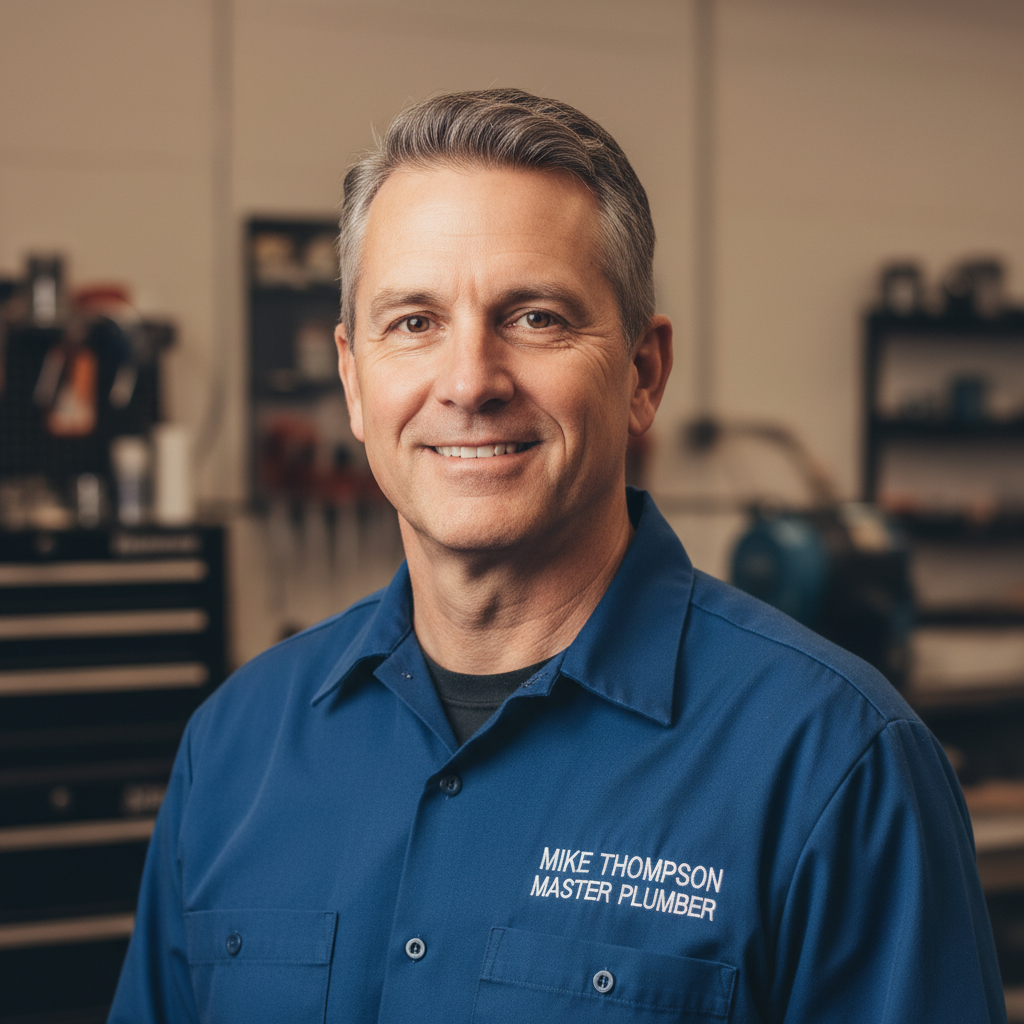
About Mike Thompson
Master Plumber • License #MP-2847 • 28 Years Experience
Mike has been installing and maintaining backwater valves across the GTA since 1996. He's helped thousands of Toronto homeowners protect their basements from sewer backups and believes preventive maintenance is the key to reliable flood protection.