
Quick Answer: What Seasonal Plumbing Maintenance Do Toronto Homes Need?
Toronto homes require quarterly plumbing maintenance due to extreme temperature swings from -25°C winters to +35°C summers. Spring: Test sump pumps, check for frost damage. Summer: Inspect outdoor plumbing, prepare for vacations. Fall: Winterize outdoor faucets, service water heater. Winter: Prevent frozen pipes, ensure backup systems work. For professional seasonal maintenance, call (647) 554-4356.
Key Takeaways
- Toronto's 60°C temperature range creates unique plumbing challenges
- Spring thaw is the #1 cause of basement flooding—test sump pumps in March
- Winterize outdoor faucets by November 1st to prevent freeze damage
- Annual water heater drain extends life by 3-5 years
- Preventive maintenance costs $200-400/year vs. $2,000-15,000 for emergencies
- Monthly inspections catch 80% of problems before they become emergencies
After 28 years of fixing plumbing emergencies across the GTA, I can tell you one truth: 90% of plumbing disasters are preventable. That frozen pipe that burst on Christmas morning? Preventable. The basement flood during spring thaw? Preventable. The water heater failure on the coldest day of the year? You guessed it—preventable.
Toronto's climate is brutal on plumbing systems. We experience everything from -25°C polar vortexes to +35°C heat waves, often within the same year. This guide gives you a month-by-month maintenance checklist to protect your home and avoid expensive emergency calls. For immediate help, call Water Pro at (647) 554-4356.
🌸 Spring Plumbing Maintenance (March-May)
🌱 Why Spring Is Critical
Spring thaw is our busiest season. Melting snow and frozen ground create the perfect conditions for basement flooding. March-April accounts for 45% of our annual basement flood calls. Your sump pump has been idle all winter—will it work when needed?
March: Post-Winter Assessment
🔍 March Checklist
- Test sump pump operation - Pour 5 gallons of water into pit, verify activation
- Check sump pump battery backup charge level
- Inspect basement walls for new cracks or moisture
- Clear debris from floor drains
- Check outdoor faucets for freeze damage (turn on, look for leaks)
- Inspect visible pipes for frost damage or cracks
April: Thaw Season Vigilance
🌧️ April Checklist
- Test sump pump weekly during peak thaw
- Clear eavestroughs and downspouts of debris
- Ensure downspouts direct water 6+ feet from foundation
- Check backwater valve operation
- Inspect water meter for hidden leaks (note reading, check 2 hours later)
- Clean drain traps in basement and laundry area
May: Outdoor System Activation
☀️ May Checklist
- Reconnect outdoor hoses and turn on hose bibs
- Check outdoor faucets for proper flow and leaks
- Inspect sprinkler system (if applicable)
- Clean and test outdoor drain covers
- Schedule professional drain cleaning if slow drains persist
- Consider professional sewer camera inspection
💡 Pro Tip: The $5 Spring Insurance
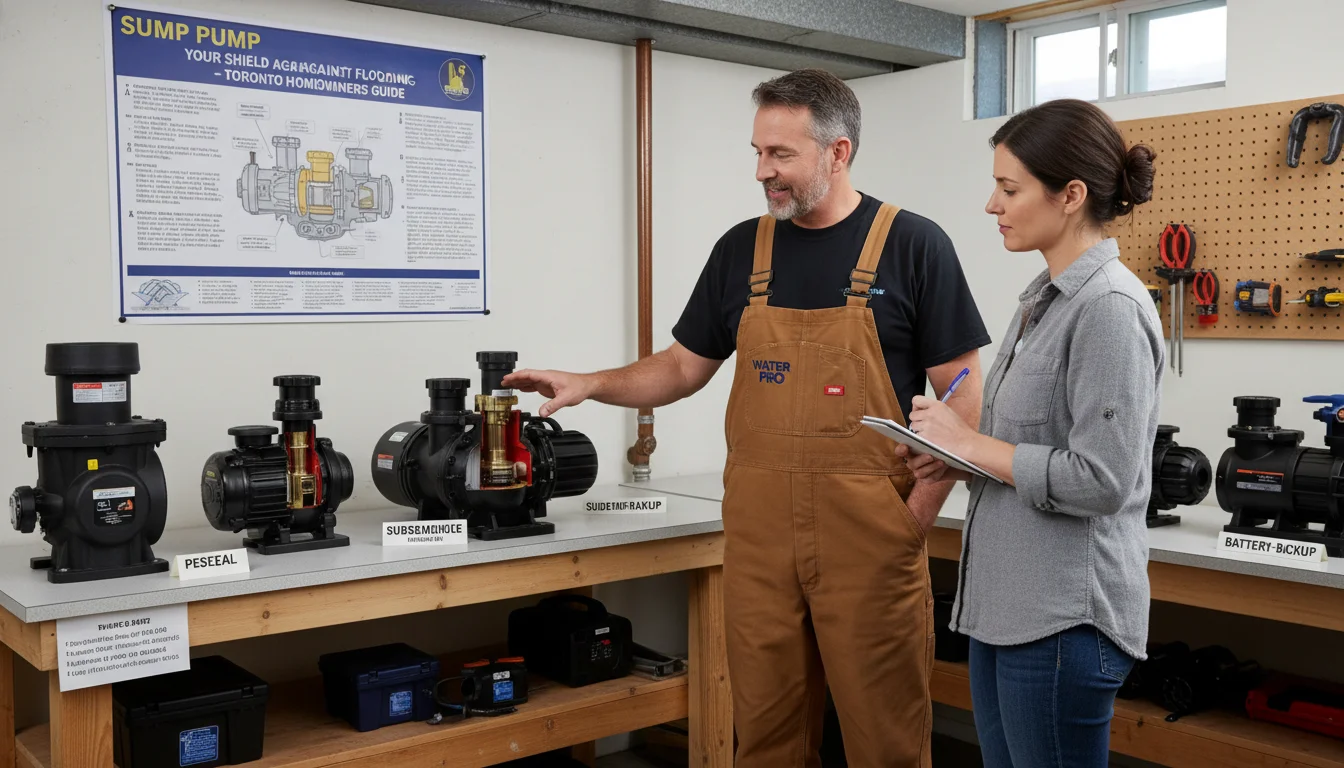
Buy a battery backup alarm for your sump pump pit. It costs $15-30 and alerts you if water rises above the pump's trigger level—meaning your pump failed. This $5/year investment has saved clients thousands. I keep one in my own basement. Need help with your sump pump? Call (647) 554-4356.
☀️ Summer Plumbing Maintenance (June-August)
🌡️ Summer Challenges
Summer brings heavy rain events, vacation absences, and increased outdoor water use. Toronto's summer storms can overwhelm city sewers, causing backups. Backwater valves prevent 95% of sewer backups during heavy rain events.
June: Storm Preparation
⛈️ June Checklist
- Test backwater valve operation before storm season
- Clear debris from window wells and stairwells
- Check basement windows seal properly
- Inspect and clean AC condensate drain line
- Test sump pump before vacation season
- Consider smart water leak detector installation
July: Vacation Preparation
🏖️ July Checklist (Before Vacation)
- Know location of main water shut-off valve
- Consider shutting off main water for extended trips
- Ensure sump pump battery backup is fully charged
- Have neighbor or house-sitter check basement daily
- Set water heater to "vacation mode" (saves energy)
- Don't turn off A/C completely (humidity can cause mold)
August: Late Summer Inspection
🔧 August Checklist
- Inspect outdoor faucets and hoses for wear
- Check garden hose connections for leaks
- Inspect water heater for rust or moisture
- Test all toilet flappers (running toilets waste $200+/year)
- Check under sinks for moisture or mold
- Clean showerheads (vinegar soak removes mineral buildup)
⚠️ Summer Emergency: Sewer Backup
Toronto's combined sewer system can back up during heavy summer storms. If you smell sewage or see water backing up from floor drains, don't use any water and call immediately. We offer 24/7 emergency service at (647) 554-4356. Learn more about sewer backup prevention.
🍂 Fall Plumbing Maintenance (September-November)
🍁 Fall: The Preparation Season
Fall is your last chance to prevent winter emergencies. Outdoor faucets left connected during freeze cause 40% of winter pipe bursts. Proper winterization in October prevents January emergencies.
September: Early Fall Assessment
🔍 September Checklist
- Schedule professional water heater service
- Drain 2-3 gallons from water heater to remove sediment
- Check water heater anode rod (replace if degraded)
- Test sump pump before ground freezes
- Inspect furnace humidifier water line
- Clear leaves from outdoor drains and gutters
October: Winterization Begins
❄️ October Checklist
- Disconnect and drain all outdoor hoses
- Turn off outdoor faucet shut-off valves (interior)
- Open outdoor faucets to drain residual water
- Install outdoor faucet covers ($5-15 each)
- Shut off and drain sprinkler systems
- Insulate pipes in unheated areas (garage, crawl space)
November: Final Winter Prep
🏠 November Checklist
- Verify all outdoor water is shut off and drained
- Install heat tape on vulnerable pipes if needed
- Ensure bathroom/kitchen exhaust fans vent properly
- Check for drafts near pipes on exterior walls
- Test sump pump one final time before deep freeze
- Know where your main water shut-off is located
Fall Winterization Costs
| Service | DIY Cost | Professional Cost |
|---|---|---|
| Outdoor faucet covers (4) | $20-40 | — |
| Pipe insulation foam | $30-60 | — |
| Water heater flush | $0 (DIY) | $99-149 |
| Sump pump inspection | $0 (DIY) | $99-149 |
| Complete winterization service | — | $199-349 |
| Frozen pipe repair (if skipped) | $500-3,000+ | |
💡 Pro Tip: The 15-Minute Fall Investment
Spend 15 minutes in October disconnecting outdoor hoses and covering faucets. This simple task prevents the #1 cause of winter pipe bursts in Toronto homes. Hoses left connected trap water in the pipe, which freezes and cracks the faucet or interior pipe. For professional winterization, call (647) 554-4356.
❄️ Winter Plumbing Maintenance (December-February)
🥶 Winter: Survival Mode
Toronto winters regularly hit -20°C to -25°C. At these temperatures, pipes can freeze in as little as 6 hours without proper protection. Emergency frozen pipe calls cost 2-3x regular rates. Preparation is far cheaper than reaction.
December: Cold Weather Protocols
🌨️ December Checklist
- Keep thermostat at minimum 15°C (60°F) at all times
- Open cabinet doors under sinks on exterior walls
- Let faucets drip during extreme cold (-15°C or below)
- Know where your main water shut-off is located
- Keep garage doors closed if water lines run through
- Check that furnace is working properly
January: Extreme Cold Response
🧊 January Checklist (Polar Vortex Protocol)
- Never let indoor temperature drop below 15°C
- Run water (pencil-thin stream) in vulnerable pipes during -20°C+
- Use space heaters near exposed pipes if needed (safely!)
- Check pipes daily for frost or reduced flow
- If travelling: have someone check home daily OR shut off water
- Know early signs of freezing: reduced water pressure, frost on pipes
February: Late Winter Vigilance
🔄 February Checklist
- Continue cold weather protocols until consistent thaw
- Watch for "ice dams" on roof that can cause leaks
- Check for moisture in attic from vent pipe frost
- Prepare for spring thaw (test sump pump)
- Order backup sump pump battery if needed
- Schedule spring plumbing inspection
⚠️ Frozen Pipe Emergency Protocol
If you suspect a frozen pipe:
- 1. Keep the faucet open (thawing water needs somewhere to go)
- 2. Apply gentle heat with hair dryer or heat lamp (never open flame)
- 3. Start from faucet end and work toward frozen section
- 4. If pipe has burst, shut off main water immediately
- 5. Call (647) 554-4356 for emergency service
📋 Annual Maintenance Checklist Summary
Here's your complete year-at-a-glance maintenance schedule:
| Task | Frequency | Best Month |
|---|---|---|
| Test sump pump | Monthly (critical in spring) | March |
| Drain water heater sediment | Annually | September |
| Winterize outdoor faucets | Annually | October |
| Professional drain cleaning | Every 18-24 months | Fall or Spring |
| Check toilet flappers | Twice yearly | March, September |
| Clean drain traps | Quarterly | Seasonally |
| Inspect water meter for leaks | Monthly | Ongoing |
| Sewer camera inspection | Every 3-5 years | Spring |
| Replace sump pump battery | Every 2-3 years | February |
| Replace water heater anode rod | Every 3-5 years | September |
🏙️ Toronto-Specific Considerations
Neighborhood-Specific Challenges
Different areas of Toronto face different plumbing challenges:
- The Annex, Rosedale, Cabbagetown - Older homes (1900-1940) with aging clay/cast iron pipes. Plan for more frequent inspections and eventual trenchless pipe repair.
- North York, Scarborough, Etobicoke - 1950s-1970s homes with galvanized steel pipes. Watch for rust and low water pressure.
- Mississauga, Brampton, Vaughan - Newer construction (1980s-2000s) with plastic pipes. Generally fewer issues but watch for builder-grade water heaters reaching end of life.
- Leaside, High Park, Forest Hill - Mature tree canopy means tree root intrusion is the #1 sewer issue. Annual camera inspection recommended.
Toronto Water Hardness
Toronto's water is moderately hard (121-150 mg/L calcium carbonate). This causes mineral buildup in pipes, water heaters, and fixtures. Consider:
- Water heater flush annually (vs. every 2-3 years in soft water areas)
- Water softener installation for homes with severe buildup
- White vinegar soak for showerheads and faucet aerators quarterly
City of Toronto Resources
The City of Toronto Water Services offers resources including:
- Basement flooding protection subsidy (up to $3,400 for backwater valve and sump pump)
- Lead pipe replacement program for qualifying homes
- Water efficiency rebates
Frequently Asked Questions
Begin winterizing your Toronto plumbing in late October before the first hard freeze. Disconnect outdoor hoses by November 1st, insulate exposed pipes, and ensure your sump pump is working before ground freezes. Most Toronto homes need winterization complete by mid-November.
Test your sump pump monthly, with critical tests in March (before spring thaw) and October (before freeze). Pour water into the pit to trigger the float switch—the pump should activate within seconds and empty the pit quickly. Annual professional inspection is recommended.
Frozen pipes in Toronto result from inadequate insulation, exterior wall placement, unheated crawl spaces, garage pipe exposure, and temperature drops below -15°C. Homes built before 1970 are most vulnerable due to older insulation standards and pipe routing.
Yes, drain 2-3 gallons from your water heater annually (fall is ideal) to remove sediment buildup. This extends heater life by 3-5 years and maintains efficiency. Toronto's hard water causes faster sediment accumulation—consider professional flushing every 2-3 years.
For winter vacations: keep heat at minimum 15°C, shut off main water valve, open taps to drain residual water, and have someone check daily. For summer: turn off outdoor water, check sump pump battery backup, and consider a smart water leak detector.
Spring plumbing checklist: test sump pump operation, inspect outdoor faucets for freeze damage, check hose bibs, clear floor drains, inspect water heater for leaks, clean drain traps, and schedule professional drain cleaning if slow drainage exists.
The Bottom Line
Seasonal plumbing maintenance in Toronto isn't optional—it's essential. Our extreme climate puts unique stress on plumbing systems, but a few hours of preventive care each season can save you thousands in emergency repairs.
The math is simple: $200-400 in annual maintenance prevents $2,000-15,000+ in water damage claims. Every frozen pipe, every basement flood, every failed water heater was preventable with proper seasonal care.
Download this guide, set calendar reminders for each season's tasks, and consider a professional maintenance plan. Your home—and your wallet—will thank you.
Need Professional Maintenance?
Water Pro offers seasonal maintenance packages and 24/7 emergency service across the GTA.
📞 Call (647) 554-4356Licensed plumbers • 90-day guarantee • 5,234+ families helped
Related Articles


About Mike Thompson
Master Plumber • License #MP-2847 • 28 Years Experience
Mike has been helping Toronto homeowners protect their plumbing through every season since 1996. He's seen the damage that skipped maintenance causes—and the peace of mind that proper care provides. Member of the Canadian Institute of Plumbing & Heating (CIPH).
View Full Profile →