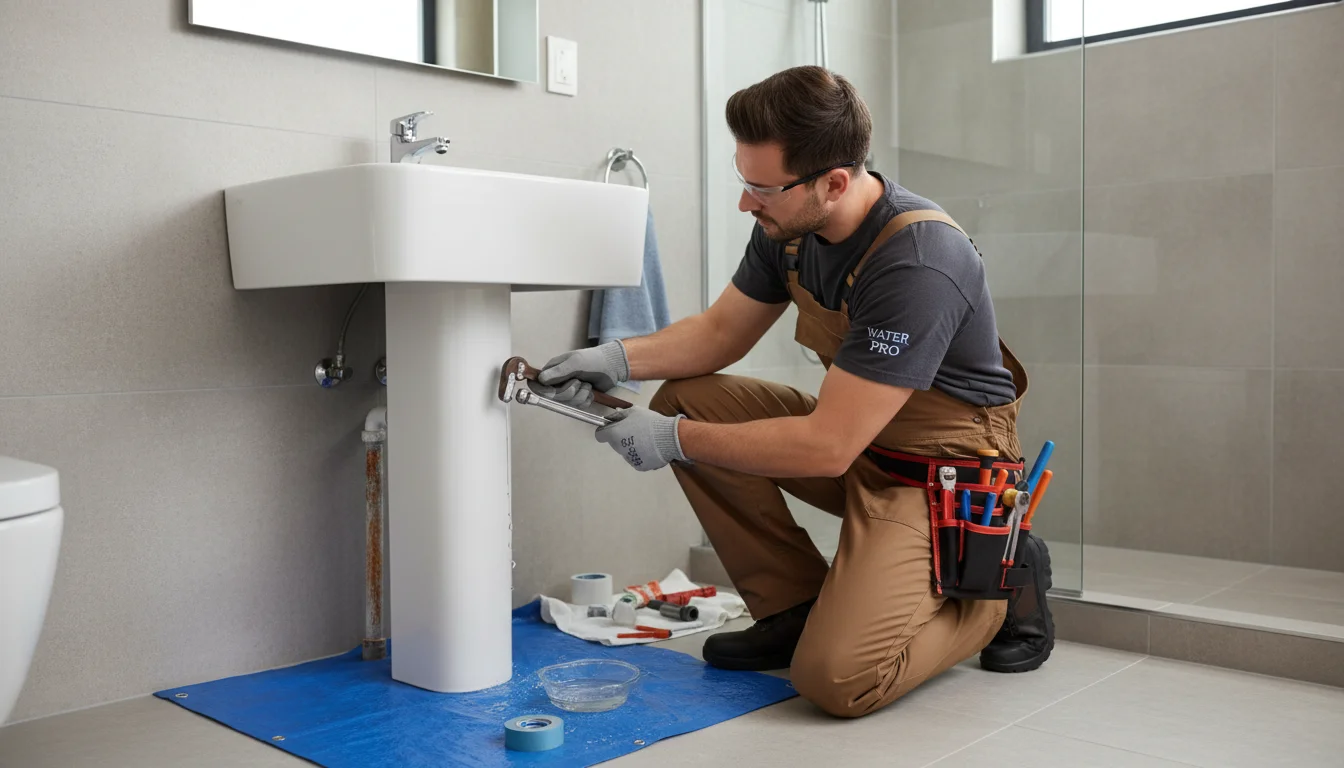
Quick Answer: How Much Does Water Leak Repair Cost in Toronto?
Water leak repair in Toronto costs $150 to $4,000+ depending on leak location and severity. Faucet repairs run $150-$300, visible pipe repairs $200-$600, behind-wall leaks $400-$1,200, and slab leaks under foundations can reach $1,500-$4,000+. Emergency after-hours service typically adds 50-100% to these prices. Professional leak detection costs $150-$350 and often saves money by pinpointing hidden leaks without destructive exploration.
🚨 Water Leak Emergency? Act Now!
Call immediately if you have:
- • Burst pipe causing flooding or rapid water accumulation
- • Water near electrical panels, outlets, or appliances
- • Sewage or contaminated water backing up into living spaces
- • Unable to locate or shut off the main water supply
- • Water coming through ceiling (pipe above failing)
- • Foundation cracks with active water intrusion
Available 24/7 • 30-minute response in Toronto • Licensed master plumbers
Key Takeaways: Water Leak Repair Essentials
- Hidden leaks waste an average of 90 gallons per day—that's $400+ annually in wasted water
- A single drip per second wastes over 3,000 gallons per year
- Faucet/fixture leaks: $150-$300 (most affordable, DIY-possible)
- Visible pipe repairs: $200-$600 (standard licensed plumber service)
- Behind-wall leaks: $400-$1,200 (requires access through drywall)
- Slab leaks under foundation: $1,500-$4,000+ (most expensive, specialized equipment)
- Professional leak detection: $150-$350 (saves money vs. exploratory demolition)
- Toronto's aging infrastructure means higher leak risk in homes 50+ years old
Water leaks are deceptive. A small drip under your sink might seem harmless, but that same leak wastes over 3,000 gallons annually. A hidden slab leak under your foundation can run for months, causing structural damage worth tens of thousands before you even know it exists. According to the Insurance Bureau of Canada, water damage is now the #1 cause of home insurance claims, costing Canadian homeowners billions every year.
In Toronto's aging housing stock—particularly in neighbourhoods like The Annex, Leslieville, Riverdale, High Park, and older areas of Scarborough and Etobicoke—leaks are increasingly common. After 28 years of leak detection and repair work across the GTA, I've seen everything from simple faucet drips fixed in 20 minutes to catastrophic burst pipes requiring emergency response teams and restoration crews.
This comprehensive guide will help you identify what type of leak you're dealing with, understand realistic repair costs, learn when you truly need emergency help, and discover how advanced detection methods can save you thousands. For immediate emergency assistance, call (647) 554-4356—we're available 24/7 across Toronto and the GTA.
Understanding Different Types of Water Leaks
Not all water leaks are created equal. The type of leak determines repair complexity, cost, and urgency. Here's what we typically encounter in Toronto homes:
Faucet & Fixture Leaks
Dripping taps, leaking shower heads, running toilets. Wastes water and increases bills but rarely causes structural damage.
Common Causes: Worn washers, damaged cartridges, deteriorated seals
Repair Cost: $150-$300
Time: 30-90 minutes
Supply Line Leaks
Flexible braided lines connecting fixtures—under sinks, behind toilets, to dishwashers and washing machines.
Common Causes: Age deterioration, improper installation, water hammer damage
Repair Cost: $200-$450
Time: 1-2 hours
Pipe Joint Leaks
Visible pipes in basements or utility areas where threaded fittings or soldered joints have failed.
Common Causes: Thermal expansion/contraction, corrosion, improper installation
Repair Cost: $250-$600
Time: 1-3 hours
Behind-Wall Leaks
Hidden within walls or ceilings—detected by water stains, mold growth, musty odors, or unexplained moisture.
Common Causes: Pinhole leaks in copper, galvanized pipe corrosion, freeze damage
Repair Cost: $400-$1,200
Time: 2-6 hours (includes access and patching)
Slab Leaks (Under Foundation)
Leaks in pipes running beneath concrete foundations. Detected by warm floor spots, foundation cracks, or unexplained water bills.
Common Causes: Soil shifting, pipe corrosion, poor installation, water chemistry
Repair Cost: $1,500-$4,000+
Time: 1-3 days (method dependent)
Burst Pipes
Complete pipe failure causing active flooding. Most common during Toronto's winter freezing or from sudden pressure spikes.
Common Causes: Freezing expansion, corrosion failure, water hammer, age
Repair Cost: $500-$2,000+
Time: 2-6 hours (emergency response)
How to Detect Hidden Water Leaks: Professional Methods
Many water leaks remain hidden for weeks or even months before becoming visible. By that time, damage can be extensive and costly. Professional leak detection uses advanced technology to locate leaks without destructive exploration. Here's how we find hidden leaks:
🔍 DIY Leak Detection Checklist (Try These First)
- 💧 Water Meter Test: Turn off ALL water fixtures and appliances. Note your water meter reading. Wait 2 hours without using any water. Check the meter again—any movement indicates an active leak somewhere in your system.
- 📊 Monitor Water Bills: Compare current bills to the same period last year. Unexplained increases of 20%+ often indicate hidden leaks. A family of four typically uses 12,000-15,000 gallons per month.
- 👂 Listen for Running Water: In a quiet house at night, listen near walls and floors. Running water sounds when all fixtures are off suggest active behind-wall or underground leaks.
- 👃 Smell for Mold/Mildew: Musty odors in specific areas—even without visible mold—often indicate hidden moisture from leaks. Check basements, under sinks, and near water heaters.
- 👁️ Look for Discoloration: Yellow, brown, or copper-colored stains on ceilings, walls, or floors signal water intrusion. Paint bubbling or peeling also indicates moisture problems.
- 🦶 Feel for Warm Spots: Walk barefoot across floors. Unexplained warm areas—especially on concrete slabs—often indicate hot water line leaks beneath the foundation.
- 🔍 Check Water Pressure: Consistently low water pressure throughout the house can indicate a leak in your main supply line. Test at multiple fixtures.
Professional Leak Detection Methods
When DIY detection doesn't locate the leak, professional methods provide pinpoint accuracy without destructive exploratory work:
Acoustic Leak Detection
Uses highly sensitive electronic listening devices to detect the sound of water escaping from pressurized pipes. Water under pressure creates distinct frequencies that acoustic equipment amplifies and pinpoints.
Best For: Underground leaks, behind-wall leaks, slab leaks
Cost: $150-$250 (included if we perform repair)
Thermal Imaging (Infrared)
Infrared cameras detect temperature differences caused by water leaks. Hot water leaks show up as warm spots, while cold water leaks create cool areas. Non-invasive and fast for large area scanning.
Best For: Behind-wall leaks, radiant heating leaks, slab leaks (hot water)
Cost: $200-$350
Pressure Testing
Isolates sections of your plumbing system and pressurizes them with air or water. Pressure drop over time indicates a leak in that section, narrowing down the search area significantly.
Best For: Determining which plumbing line has the leak before using other detection methods
Cost: $150-$250 (diagnostic)
Video Camera Inspection
Specialized waterproof cameras inserted into drain lines or larger pipes to visually identify cracks, breaks, or leaking joints. Provides definitive visual confirmation of leak location and cause.
Best For: Sewer line leaks, main water line leaks, accessible pipe runs
Cost: $200-$400
💡 Pro Tip from Mike
Professional leak detection costs $150-$350 but often saves thousands in unnecessary drywall removal, concrete cutting, and restoration work. If you suspect a hidden leak but can't locate it, the detection fee is almost always worth the investment. We've helped Toronto homeowners avoid $5,000+ in exploratory demolition costs. Call (647) 554-4356 for leak detection service.
Water Leak Repair Costs in Toronto (2025 Pricing)
Here's what GTA homeowners typically pay for water leak repairs in 2025. Prices reflect current labor rates, material costs, and typical job complexity in the Toronto market:
| Leak Type / Repair | Price Range (CAD) | Time Required | Complexity |
|---|---|---|---|
| Dripping Faucet Repair | $150 - $250 | 30-60 minutes | Easy (DIY possible) |
| Faucet Replacement | $200 - $300 | 45-90 minutes | Easy to Moderate |
| Toilet Leak Repair | $175 - $350 | 30-90 minutes | Easy to Moderate |
| Supply Line Replacement | $200 - $450 | 1-2 hours | Moderate |
| Pipe Section Repair (Accessible) | $250 - $600 | 1-3 hours | Moderate |
| Shower Valve Repair/Replace | $300 - $650 | 2-4 hours | Moderate to Hard |
| Behind-Wall Pipe Repair | $400 - $1,200 | 3-6 hours | Hard (access required) |
| Professional Leak Detection | $150 - $350 | 1-2 hours | Specialized equipment |
| Water Heater Leak Repair | $300 - $800 | 2-4 hours | Moderate to Hard |
| Slab Leak Repair (Access Method) | $1,500 - $2,500 | 1-2 days | Very Hard (concrete cutting) |
| Slab Leak Repair (Reroute Method) | $2,000 - $4,000 | 1-3 days | Hard (new pipe run) |
| Burst Pipe Emergency Repair | $500 - $2,000+ | 2-6 hours | Emergency response |
| Main Water Line Leak Repair | $1,200 - $3,500 | 1-3 days | Very Hard (excavation) |
*Prices are estimates for Toronto and GTA. Actual costs depend on accessibility, materials required, home age/construction, and urgency. Emergency after-hours service adds 50-100%. Prices include labor, materials, and basic access/restoration. Extensive drywall repair or concrete restoration may require additional contractors.
What Affects Water Leak Repair Costs?
- Accessibility: Easy-to-reach pipes cost less than behind-wall or under-slab repairs
- Pipe Material: Copper soldering costs more than PEX connections; replacing galvanized steel is most expensive
- Extent of Damage: Multiple leaks or corroded sections requiring replacement increase costs
- Time of Day: After-hours, weekend, or holiday emergency service adds 50-100%
- Home Age: Older homes often have harder-to-access plumbing or require additional upgrades to meet code
- Detection Required: Hidden leaks requiring professional detection add $150-$350 to total cost
- Restoration Needs: Drywall patching, tile replacement, or concrete repair add to total project cost
Toronto-Specific Factors Affecting Water Leak Repairs
Aging Infrastructure in Historic Neighbourhoods
Many Toronto neighbourhoods feature homes built 50-100+ years ago with original plumbing that's reaching end-of-life. In areas like The Annex, Cabbagetown, Leslieville, Riverdale, High Park, and The Beaches, we regularly encounter:
- Galvanized steel pipes: Common in pre-1960s homes, these corrode from the inside out, reducing water pressure and causing pinhole leaks. Replacement is often the only long-term solution.
- Copper pipe deterioration: Even copper pipes develop pinhole leaks after 50+ years, especially in areas with aggressive water chemistry.
- Lead service lines: Older Toronto homes may still have lead pipes connecting to the municipal water main. While not leak-prone, replacement during leak repairs is recommended for health reasons.
- Cast iron drain lines: These develop rust and cracks over decades, leading to hidden leaks that damage foundations.
In Scarborough, North York, and Etobicoke, homes from the 1950s-1970s building boom are now experiencing widespread plumbing failures as original systems reach 50+ years of age.
Toronto's Brutal Winter Freeze Damage
Toronto winters regularly dip to -15°C to -25°C, putting extreme stress on plumbing systems. Every January through March, we see a surge in freeze-related leak calls:
- Burst pipes from freezing: Water expands 9% when it freezes, creating tremendous pressure that cracks pipes. Exterior walls, unheated garages, and crawl spaces are most vulnerable.
- Exterior hose bibs: Forgetting to shut off and drain outdoor faucets before winter leads to frozen pipes that burst when spring thaw arrives.
- Basement window wells: Pipes near poorly insulated basement windows are at high risk during cold snaps.
- Unheated vacation properties: Cottages and seasonal homes without proper winterization experience catastrophic pipe failures.
Prevention tip: Before the first hard freeze, insulate all pipes in unheated spaces, disconnect and drain outdoor hoses, and know how to shut off your main water supply. For homes in Vaughan, Richmond Hill, Markham, and Aurora—where winter temperatures can be even more extreme—additional pipe insulation is essential.
High-Rise Condo Leak Challenges
Toronto's vertical living presents unique leak challenges. Condo residents face complications like:
- Multi-unit damage: A leak in one unit often affects units below, leading to complex insurance claims and repair coordination.
- Access restrictions: Property management approval is often required for repairs, causing delays during emergencies.
- Shared plumbing responsibility: Determining whether the leak is the unit owner's responsibility or the condo corporation's can delay repairs.
- Building pressurization: High-rise water pressure can exceed 80 PSI, putting extra stress on fixtures and connections. Pressure reducing valves are essential.
If you're a condo owner experiencing a leak, report it to property management immediately and call (647) 554-4356 for professional assessment. Document everything with photos for insurance purposes.
City vs. Homeowner Responsibility
Understanding who's responsible for water leak repairs in Toronto is critical:
- City Responsibility: The water main in the street and typically the pipe up to the property line (sometimes to the curb stop valve).
- Homeowner Responsibility: The water service line from the property line to your house, all indoor plumbing, and all fixtures. This can include 15-30 feet of underground pipe between the property line and your foundation.
- Gray Area: Some older Toronto homes have shared service lines where one connection serves multiple properties. Determining responsibility can be complex.
If you notice wet areas in your yard between the street and your house, call (647) 554-4356 for leak detection—you may have a service line leak that's your responsibility to repair.
Slab Leaks: Toronto's Costliest Hidden Problem
Slab leaks—leaks in water lines running beneath your concrete foundation—are among the most expensive and damaging plumbing issues. They're particularly common in Toronto's post-war bungalows and split-level homes built with slab-on-grade foundations.
How to Detect Slab Leaks
- Warm spots on floor: Hot water line leaks create noticeably warm areas on concrete or tile floors.
- Sound of running water: You can sometimes hear water running beneath the floor when all fixtures are off.
- Unexplained high water bills: Slab leaks can waste 100+ gallons per day before detection.
- Cracks in foundation or flooring: Shifting caused by soil erosion from leaking water.
- Mold or mildew: Often appears along baseboards or in carpeting without obvious source.
- Low water pressure: Consistent low pressure throughout the home can indicate a major leak in the main line.
Slab Leak Repair Methods
Method 1: Direct Access Repair
Cost: $1,500-$2,500 • Cut through concrete slab directly above the leak, repair or replace the damaged pipe section, then patch the concrete and flooring.
Pros: Permanent fix, addresses the exact leak location
Cons: Disruptive, requires concrete cutting and restoration, potential tile/flooring damage
Method 2: Pipe Rerouting (Re-piping)
Cost: $2,000-$4,000 • Abandon the leaking under-slab pipe and install a new supply line through walls, attic, or along baseboards.
Pros: No concrete cutting, future-proof solution, faster completion
Cons: More expensive upfront, may require visible pipe runs or soffit boxing
Method 3: Epoxy Pipe Coating/Lining
Cost: $2,500-$5,000 • Clean and coat the interior of existing pipes with epoxy resin, creating a new "pipe within a pipe."
Pros: Minimal disruption, fixes current leak AND prevents future ones
Cons: Most expensive option, not suitable for all pipe conditions, specialized contractors
⚠️ Slab Leaks Require Immediate Professional Assessment
Never attempt DIY slab leak repairs. These require specialized leak detection equipment (acoustic, thermal imaging), knowledge of foundation systems, and professional repair techniques. Improper repairs can cause foundation settling, structural damage, and mold problems that cost $20,000-$50,000+ to remediate. If you suspect a slab leak, call (647) 554-4356 for professional detection and repair options.
DIY vs. Professional Repair: When to Call a Plumber
DIY-Friendly Repairs (With Caveats)
Some minor leaks can be tackled by handy homeowners with basic tools and patience:
- Dripping faucet: Usually needs a new washer ($0.50) or cartridge ($15-$30). Requires basic tools and the right replacement parts.
- Running toilet: Flapper replacement is straightforward ($10-$20) and stops water waste immediately.
- Showerhead leak: Often just needs Teflon tape re-wrap on threads (under $5) or a new showerhead.
- Visible supply line: Modern braided stainless steel lines ($15-$40) are hand-tightened with adjustable wrenches—no soldering.
💡 DIY Tip: Know When to Stop
If you start a DIY repair and encounter ANY of these issues, stop and call a professional: (1) Can't shut off the water supply, (2) Corroded fittings that won't budge, (3) More damage than you expected once you opened it up, (4) Water damage to surrounding areas, (5) Need for soldering or pipe cutting. Pushing forward can turn a $200 repair into a $2,000+ disaster. We've seen it happen countless times. Call (647) 554-4356 if you're stuck.
Always Call a Licensed Plumber For:
- Any soldering or welding work (copper, galvanized steel pipes)
- Behind-wall or under-floor leaks (access and proper restoration required)
- Main water line leaks (between street and house)
- Slab leaks (beneath concrete foundation)
- Gas line work (extremely dangerous without proper licensing)
- Any work requiring permits (major renovations, new installations)
- Leaks you can't locate (professional detection saves money)
- Recurring leaks (symptom of bigger problems)
- Older galvanized or cast iron pipes (fragile, require experience)
In Toronto, plumbing work that alters your water supply system or requires cutting into walls requires licensed plumbers and permits. DIY work that doesn't meet code can cause problems when selling your home and may void insurance coverage if a leak causes damage.
Understanding Insurance Coverage for Water Leak Damage
Water damage claims are complex, and many Toronto homeowners are surprised by what is and isn't covered. Here's what you need to know about insurance and water leaks:
Typically Covered by Standard Home Insurance:
- Sudden and accidental damage: Burst pipes, appliance failures, water heater ruptures
- Resulting damage: Drywall, flooring, furniture, and structural damage caused by covered leaks
- Emergency mitigation: Water extraction, drying equipment, temporary repairs to stop ongoing damage
- Temporary living expenses: If your home is uninhabitable during repairs (depending on policy)
Usually NOT Covered (Standard Policies):
- Gradual leaks: Slow leaks from deteriorating pipes, poor maintenance, or long-term issues
- The plumbing repair itself: Insurance covers damage TO your home, not the cost to fix the plumbing
- Lack of maintenance: Leaks that could have been prevented with regular upkeep
- Sewer backup: Requires specific sewer backup endorsement (separate coverage)
- Flood damage: Requires overland water/flood insurance endorsement
- Foundation seepage: Groundwater entering through foundation is typically excluded
Sewer Backup Coverage (Critical for Toronto Homeowners)
Given Toronto's aging sewer infrastructure and increasing extreme weather events causing sewage backups, sewer backup coverage is essential. This endorsement typically costs $50-$150 annually but covers:
- Damage from sewage or water backing up through drains
- Cleanup and sanitization costs
- Replacement of damaged belongings
- Coverage limits typically range from $10,000 to $50,000+
Without this coverage, you're responsible for all costs—which can easily exceed $15,000 for basement backup cleanup and restoration.
What to Do If You Have a Leak That May Involve Insurance:
- Shut off water immediately to prevent ongoing damage
- Document everything with photos and videos before cleanup begins
- Contact your insurance company within 24-48 hours to report the claim
- Mitigate further damage (water extraction, drying) but keep damaged items for adjuster inspection
- Get professional plumbing repair to fix the source—call (647) 554-4356
- Keep all receipts for emergency repairs, hotel stays, and mitigation work
Toronto-specific tip: Review your home insurance policy annually, especially if you live in an older home (50+ years). Consider adding or increasing sewer backup coverage, and ask about "service line coverage" which may cover the underground water line from street to house. These endorsements cost little but save thousands when problems arise.
Preventing Water Leaks: Proactive Maintenance
The best water leak repair is the one you never need. Here's how to prevent leaks before they happen:
Regular Inspection Schedule
- Twice yearly: Inspect all visible pipes, especially in basements, under sinks, and around water heaters. Look for corrosion, moisture, or mineral deposits.
- Monthly: Check your water meter reading and compare to past months—sudden increases indicate leaks.
- Before winter: Insulate exterior pipes, disconnect garden hoses, drain outdoor faucets, and consider pipe heat tape for vulnerable areas.
- Annually: Have a licensed plumber inspect your water heater, test pressure relief valve, and check for hidden leaks.
Replace Before They Fail
- Supply lines: Replace every 5 years (especially braided stainless steel to dishwashers, washing machines, toilets)
- Water heater: 8-12 year lifespan—start shopping for replacement at year 8
- Toilet flappers: Replace every 3-5 years ($10-$15) to prevent running toilets
- Washing machine hoses: Replace every 3-5 years with burst-proof stainless steel braided hoses
Install Leak Detection Technology
Modern smart home leak detectors ($50-$300) can alert you to leaks before major damage occurs:
- Point sensors: Place under sinks, near water heaters, washing machines—send alerts when water detected
- Whole-home systems: Monitor water flow through your main line, automatically shut off water if abnormal usage detected
- Smart water meters: Track usage patterns and alert to potential leaks via smartphone app
Know Your Emergency Shutoff
Every household member should know where the main water shutoff valve is located and how to operate it. In an emergency, shutting off water within the first 60 seconds can be the difference between minor damage and catastrophic flooding. Tag your shutoff valve with bright tape or a label so it's easily identifiable in a crisis.
Frequently Asked Questions About Water Leak Repair
Water leak repair in Toronto costs $150-$4,000+ depending on the leak type and location. Simple faucet repairs run $150-$300, visible pipe repairs $200-$600, behind-wall leaks $400-$1,200, and slab leaks can cost $1,500-$4,000+ due to access difficulty and concrete work required. Emergency after-hours service adds 50-100% to these base prices.
Signs of hidden water leaks include: unexplained increases in water bills (20%+ higher than usual), sounds of running water when all fixtures are off, musty odors or visible mold growth in certain areas, warm spots on floors indicating hot water line leaks, consistently low water pressure, water meter movement when all water is turned off, and yellow/brown ceiling or wall stains. The water meter test is most reliable—turn off all water, note the meter reading, wait 2 hours, then check again. Any movement confirms an active leak.
Call emergency plumbing immediately for: burst pipes causing flooding, water near electrical panels or outlets, sewage backup situations, inability to shut off the water supply, water coming through ceilings (indicating pipe failure above), or rapidly spreading water damage. Minor drips under sinks, slow faucet leaks, or running toilets can typically wait for regular business hours to avoid emergency service fees (which add 50-100% to costs). When in doubt, call for advice—we can help you determine urgency over the phone: (647) 554-4356.
Most Toronto home insurance policies cover sudden and accidental water damage from events like burst pipes, but NOT gradual leaks or maintenance issues. Coverage typically includes resulting damage (drywall, flooring, belongings) but not the plumbing repair itself. Sewer backup usually requires a separate endorsement ($50-$150/year). Document damage immediately with photos, contact your insurer within 24-48 hours, and mitigate further damage. Keep all receipts for emergency repairs. Review your policy annually and consider adding sewer backup and service line coverage, especially for older Toronto homes.
Simple leak repairs like faucets or supply lines take 30 minutes to 2 hours. Visible pipe repairs take 1-3 hours. Behind-wall repairs requiring access take 3-6 hours including drywall cutting and basic patching. Slab leak repairs can take 1-3 days depending on repair method—direct access (concrete cutting) takes longer while pipe rerouting can sometimes be completed in 1-2 days. Emergency burst pipe repairs typically take 2-6 hours depending on damage extent. Timeline varies based on parts availability, access difficulty, and whether multiple repairs are needed.
Minor leaks like dripping faucets (washer replacement), running toilets (flapper replacement), or loose supply line connections are DIY-friendly with basic tools and the right parts. However, anything requiring pipe cutting, soldering, access through walls/floors, or involving your main water line should be handled by licensed plumbers. Improper DIY repairs can cause costly water damage, void insurance coverage, create code violations that affect home sales, and in worst cases, cause flooding. In Toronto, major plumbing work requires licensed contractors and permits. If you're unsure, call for professional assessment—it's cheaper than fixing DIY mistakes.
Acoustic leak detection uses highly sensitive electronic listening devices to detect the sound frequency created by water escaping from pressurized pipes. Water under pressure creates distinct sound patterns that travel through pipes and soil. Professional plumbers use electronic amplifiers and ground microphones to pinpoint the exact leak location—often within inches—without any destructive exploration. This method is highly accurate (95%+ success rate) for detecting underground leaks, behind-wall leaks, and slab leaks. The cost ($150-$250, often waived if we perform the repair) typically saves thousands in unnecessary excavation or drywall removal. Combined with thermal imaging and pressure testing, we can locate virtually any hidden leak.
Prevent water leaks through regular maintenance: (1) Inspect visible pipes twice yearly for corrosion, moisture, or mineral deposits; (2) Replace supply lines every 5 years, especially braided lines to appliances; (3) Before winter, insulate pipes in unheated areas, disconnect garden hoses, and drain outdoor faucets; (4) Monitor water bills monthly for unusual increases indicating hidden leaks; (5) Know your main shutoff valve location and test it annually; (6) Service your water heater annually and replace at 8-12 years; (7) Consider installing leak detection sensors under sinks, near water heaters, and in basements; (8) Replace toilet flappers every 3-5 years to prevent running toilets. For homes 50+ years old, schedule professional plumbing inspections every 2-3 years.
Act Fast: Water Damage Compounds Rapidly
Water leaks range from minor annoyances to catastrophic emergencies. The critical factor is response time—water damage compounds exponentially. What starts as a small leak can cause structural damage, mold growth, and repair bills in the tens of thousands if left unaddressed.
According to restoration industry data, water damage roughly doubles every 24 hours it goes unmitigated. Mold can begin growing within 48-72 hours of moisture exposure. Wood framing can start rotting within a week of continuous moisture. These aren't just abstract risks—I've seen families displaced from their homes for months because a small behind-wall leak went undetected for weeks.
If you discover a water leak, follow this emergency protocol:
- Shut off the water supply if you can locate the source (know where your main shutoff valve is BEFORE emergencies happen)
- Document the damage with photos and videos for insurance claims—do this BEFORE cleanup begins
- Remove standing water if safe to do so—wet/dry vacuum, mops, towels (protect electrical safety)
- Move belongings out of affected areas to prevent further damage
- Contact your insurance company within 24-48 hours if damage is significant
- Call a licensed plumber immediately for assessment and repair—delays only make things worse
For Toronto and GTA homeowners, having a trusted plumbing company you can call 24/7 provides peace of mind. Whether it's a minor faucet drip or a major burst pipe emergency, we're here to help. Our licensed master plumbers respond within 30 minutes to emergency calls across Toronto, North York, Scarborough, Etobicoke, Mississauga, Brampton, Vaughan, Markham, and surrounding GTA areas.
Water Leak Emergency? We're Ready 24/7
Fast emergency response, upfront pricing, licensed master plumbers. We'll stop the leak, prevent further damage, and restore your peace of mind.
📞 Call (647) 554-4356Available 24/7 • 30-minute emergency response • 90-day guarantee • 5,234+ families helped
Related Articles You Might Find Helpful
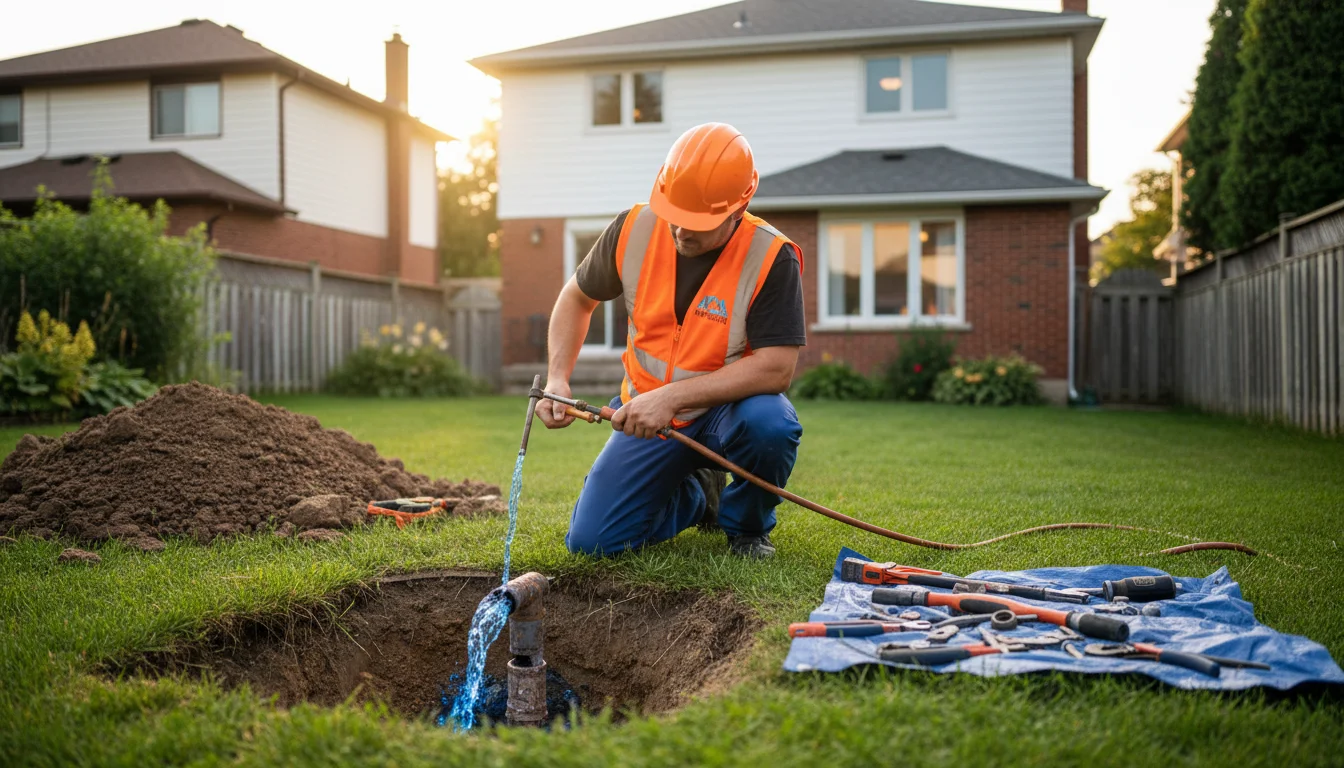
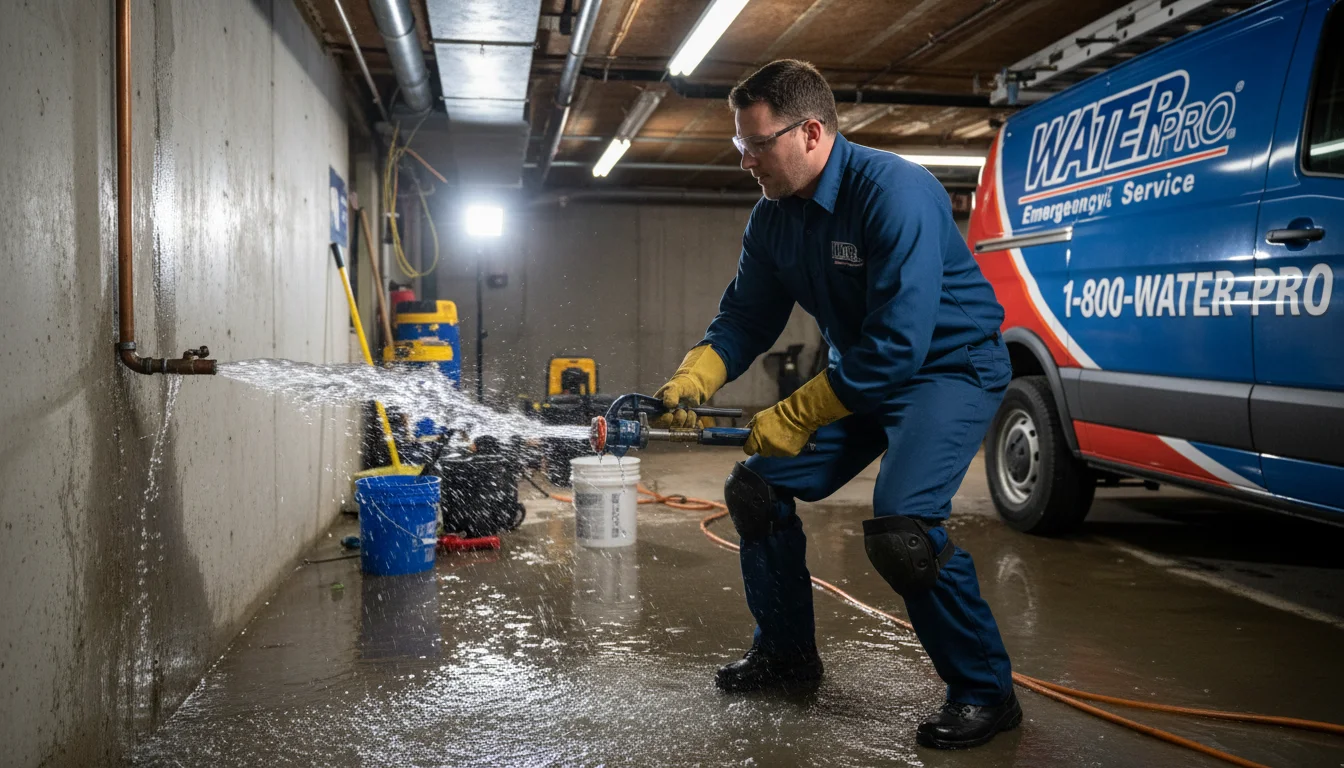

About Mike Thompson
Master Plumber • License #MP-2847 • 28 Years Experience
Mike Thompson specializes in leak detection and water line repair across the Greater Toronto Area. He's certified in acoustic leak detection, thermal imaging technology, and trenchless repair methods. Mike has helped over 5,000 Toronto homeowners resolve complex leak issues, from hidden slab leaks to emergency burst pipe situations. He writes practical, detailed guides to help homeowners understand their plumbing systems and make informed repair decisions. Member of the Canadian Institute of Plumbing & Heating (CIPH) and Mechanical Contractors Association of Toronto (MCAT).
View Full Profile →