
Quick Answer: What Is Normal Water Pressure in Toronto?
Normal water pressure in Toronto homes is 40-60 PSI (pounds per square inch). City supply pressure typically ranges from 50-80 PSI. Pressure below 40 PSI causes weak flow and poor appliance performance. Pressure above 80 PSI damages pipes, appliances, and fixtures. Test your pressure with a simple $15 gauge from any hardware store. Need immediate help? (647) 554-4356
Key Takeaways
- Optimal pressure: 40-60 PSI (normal range for Toronto homes)
- Low pressure (under 40 PSI): Check aerators, PRV, pipe corrosion, city supply
- High pressure (over 80 PSI): Install PRV to prevent pipe/appliance damage
- Fluctuating pressure: Usually indicates failing PRV or thermal expansion
- Test yourself: $15 pressure gauge screws onto outdoor hose bib
Standing in the shower under a pathetic trickle? Or hearing your pipes bang every time you shut off a faucet? Water pressure problems drive Toronto homeowners crazy—but most issues are diagnosable without spending a dime. After 28 years of testing water pressure across the GTA, I'll show you exactly how to identify what's wrong and what it'll cost to fix.
Understanding Water Pressure: What's Normal in Toronto?
Before we diagnose problems, let's establish what "normal" looks like. Toronto's municipal water supply delivers 50-80 PSI to most residential properties. However, your home should maintain 40-60 PSI at fixtures for optimal performance.
TOO LOW
Weak flow, poor appliance performance
IDEAL
Perfect flow, protected pipes
TOO HIGH
Pipe damage, leaks, water hammer
How to Test Water Pressure Yourself (5 Minutes, $15)
🔧 DIY Pressure Test Instructions
What you need: Water pressure gauge ($10-$20 at Home Depot, Canadian Tire, Rona)
- Turn off ALL water fixtures inside (faucets, toilets, appliances, ice makers)
- Locate an outdoor hose bib (front or back of house)
- Screw the pressure gauge onto the hose bib threads (hand-tight)
- Open the hose bib valve completely
- Read the gauge—this is your static pressure
- Turn on a kitchen faucet and read the gauge again—this is dynamic pressure
Normal results: Static 50-60 PSI, dynamic 40-50 PSI. If static pressure is under 40 PSI or over 80 PSI, you have a problem. Need help interpreting results? (647) 554-4356
Low Water Pressure: Causes and Solutions
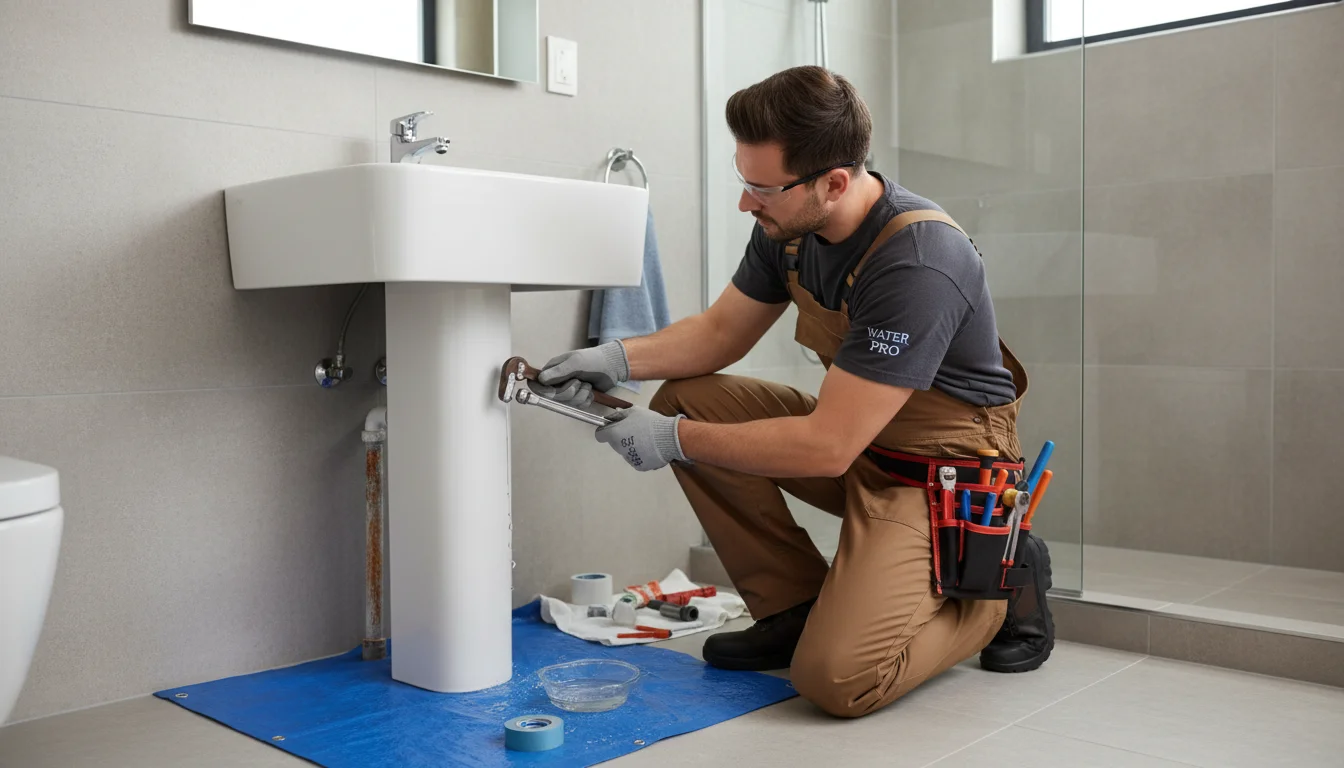
Low pressure (under 40 PSI) is the most common complaint I hear in Toronto. The trick is identifying whether it's a whole-house issue or localized to specific fixtures.
Diagnostic Step 1: Is It One Fixture or Whole House?
💡 Pro Tip: Quick Diagnosis
Turn on multiple fixtures simultaneously: kitchen sink, bathroom sink, shower, outdoor hose. If only ONE has low pressure, it's a local clog (easy fix). If ALL have low pressure, it's a system-wide issue (more serious).
Common Causes of Low Pressure (Whole House)
1. Failed Pressure Reducing Valve (PRV)
Most Toronto homes built after 1985 have a pressure reducing valve (PRV) near the water meter. This brass device controls incoming city pressure. When PRVs fail, they often "lock down" and restrict flow severely. Lifespan: 10-15 years. If your PRV is over 12 years old and you have low pressure, it's likely the culprit.
DIY test: Bypass the PRV temporarily (if accessible). If pressure returns to normal, the PRV is bad. Cost to replace: $350-$650 installed. Learn more about water line repairs.
2. Corroded Galvanized Pipes (Pre-1970 Homes)
Older Toronto neighborhoods—The Beaches, High Park, Little Italy, The Annex—often have galvanized steel pipes installed before 1970. These pipes corrode from the inside, narrowing the diameter and reducing flow. By age 50-60, internal diameter can shrink by 50%+.
Symptoms: Gradual pressure loss over years, rust-colored water, frequent leaks. Solution: Full pipe replacement ($3,000-$8,000 depending on home size). No repair—only replacement works.
3. Clogged Aerators and Shower Heads (Easy Fix)
If pressure dropped suddenly in one fixture, the aerator (faucet tip screen) is likely clogged with sediment. Toronto's hard water (150-200 ppm) causes mineral buildup, especially in areas like North York, Scarborough, and Markham where groundwater contribution is higher.
💡 Pro Tip: 2-Minute Fix
Unscrew the aerator from the faucet tip (use pliers wrapped in a cloth). Rinse under water, soak in vinegar for 10 minutes if heavily scaled, then reinstall. This restores full flow 80% of the time. Same for shower heads—unscrew, soak in vinegar overnight, reinstall.
4. City Water Main Issues
Toronto Water occasionally experiences main breaks, valve closures for maintenance, or supply issues affecting entire neighborhoods. Check the City of Toronto Water page for service alerts. Your neighbors will also experience low pressure.
Peak usage times (6-9am, 5-8pm) can temporarily lower pressure in high-density areas. This is normal and doesn't require repair.
5. Partially Closed Main Shut-Off Valve
Sounds obvious, but I've seen it dozens of times: someone partially closed the main shut-off valve (near the water meter) and forgot. Check that your main valve is fully open—handle should be parallel to the pipe.
High Water Pressure: Silent Pipe Killer
High pressure (over 80 PSI) is dangerous and often goes unnoticed until something bursts. Most homeowners don't realize their pressure is too high until they see leaks, hear water hammer, or experience appliance failures.
⚠️ Dangers of High Water Pressure
- • Pipe leaks: Joints fail under constant strain (especially copper pipes)
- • Appliance damage: Washing machine hoses burst, dishwasher valves fail
- • Toilet fill valve failures: Running toilets, slow tank refills
- • Water heater stress: Premature tank failure, T&P valve leaks
- • Water hammer: Loud banging when fixtures shut off (pipes shaking)
Common Causes of High Pressure
1. No Pressure Reducing Valve (PRV) Installed
Many Toronto homes built before 1985 lack PRVs. If city supply is 80+ PSI and you don't have a PRV, your entire home operates at dangerously high pressure. Solution: Install a PRV. Cost: $350-$650 installed. This protects your entire plumbing system.
2. Failed PRV (Stuck Open)
PRVs fail in two ways: stuck closed (low pressure) or stuck open (high pressure). If your PRV is over 12 years old and pressure tests above 80 PSI, the PRV is likely failed. Replace immediately.
3. City Supply Pressure Spikes
Some Toronto neighborhoods near pumping stations or elevated areas experience variable city pressure. Areas like Forest Hill, Rosedale, and parts of Etobicoke occasionally see supply pressure exceed 100 PSI. A PRV is essential in these areas.
4. Thermal Expansion (Water Heater)
When your water heater heats water, it expands. In a closed plumbing system (one with a PRV or backflow preventer), this expansion has nowhere to go, causing pressure spikes up to 150 PSI. Solution: Install a thermal expansion tank ($200-$400) near the water heater.
Fluctuating Water Pressure
Pressure that swings wildly—strong one minute, weak the next—indicates instability in your system. This is often more annoying than consistently low or high pressure.
Common Causes of Fluctuating Pressure
1. Failing PRV (Most Common)
A PRV nearing the end of its life struggles to regulate pressure consistently. You might see pressure swing from 30 PSI to 75 PSI throughout the day. If your PRV is 10+ years old, replacement usually solves fluctuation issues.
2. Simultaneous Fixture Use (Normal)
Pressure drops temporarily when multiple fixtures run simultaneously—shower + dishwasher + toilet flush. This is normal. If pressure drops below 30 PSI during simultaneous use, your supply pipe may be undersized (common in older homes with 1/2" supply lines instead of modern 3/4").
3. High-Rise Condo Booster Pumps
Toronto condos over 6 stories use booster pumps to deliver water to upper floors. When pumps cycle on/off, pressure fluctuates. This is normal but can be annoying. Contact building management if fluctuations are extreme (swings over 40 PSI).
4. Neighborhood Supply Issues
If your entire neighborhood experiences fluctuations, it's a city supply issue. Report to Toronto Water at 416-392-2489. They'll investigate main valves, pumping stations, and supply lines.
Solutions and Costs: What to Expect
Here's what professional repairs cost in Toronto (2025 pricing):
| Solution | Cost Range | Complexity |
|---|---|---|
| Clean Aerators/Shower Heads | DIY Free | Easy (5-10 min) |
| PRV Replacement | $350 - $650 | Moderate (2-3 hours) |
| PRV Adjustment (Existing) | $150 - $250 | Easy (1 hour) |
| Thermal Expansion Tank | $200 - $400 | Moderate (1-2 hours) |
| Booster Pump Installation | $1,200 - $2,500 | High (electrical + plumbing) |
| Main Water Line Repair | $2,000 - $5,000 | High (excavation required) |
| Full Pipe Replacement (Galvanized) | $3,000 - $8,000 | Very High (whole-house repipe) |
💡 Pro Tip: PRV Adjustment vs Replacement
If your PRV is under 8 years old, try adjusting it before replacing. Most PRVs have an adjustment screw on top. Turn clockwise to increase pressure, counter-clockwise to decrease. Small turns (1/4 turn) make big differences. If adjustment doesn't help, replacement is needed. Call Water Pro for PRV service: (647) 554-4356
Toronto-Specific Pressure Challenges
Living in the GTA comes with unique water pressure challenges based on your location and building type:
Older Toronto Neighborhoods (Pre-1970)
The Beaches, Riverdale, High Park, Forest Hill, Rosedale—these areas have aging galvanized pipes prone to corrosion and low pressure. If you're buying a home in these neighborhoods, budget $3,000-$8,000 for eventual pipe replacement. Home inspectors often miss internal pipe corrosion.
High-Rise Condos (Downtown Toronto)
Buildings over 6 stories require booster pumps. Common issues: pump failures (whole building loses pressure), pressure spikes when pumps start, and zone-specific problems (e.g., floors 10-15 have low pressure while floors 1-9 are fine). Always contact building management first—these are system-wide issues affecting multiple units.
Suburban GTA (Mississauga, Brampton, Markham, Vaughan)
Newer homes (post-2000) typically have excellent pressure thanks to modern infrastructure and properly sized pipes. However, rapid development sometimes outpaces water infrastructure—new subdivisions in Brampton, Markham, and Vaughan occasionally experience low pressure during peak usage. This improves as municipalities upgrade supply lines.
Rural Areas (Durham Region, Halton Hills)
Homes on private wells control their own pressure via pressure tanks and switches. Common settings: 40 PSI cut-in, 60 PSI cut-out. If you have a well and experience pressure issues, check the pressure switch settings and air bladder in the pressure tank. Well pump repairs require specialized contractors.
When to DIY vs Call a Professional
Some pressure problems are simple fixes; others require licensed plumbers:
Safe DIY Fixes
- Clean aerators and shower heads: Unscrew, soak in vinegar, reinstall
- Test water pressure with gauge: $15 tool, 5-minute test
- Check main shut-off valve: Ensure it's fully open
- Adjust existing PRV: Small turns (if PRV is accessible and under 8 years old)
Call a Professional When:
- Pressure is below 40 PSI or above 80 PSI consistently
- PRV is over 10 years old or showing signs of failure
- You hear water hammer (banging pipes) when shutting off fixtures
- Pressure fluctuates wildly (30+ PSI swings)
- You need a new PRV, expansion tank, or booster pump installed
- Galvanized pipes are corroded (whole-house repipe needed)
Need expert diagnosis? Water Pro offers free pressure testing with any service call. Call (647) 554-4356 for same-day service across the GTA.
⚠️ Don't Ignore High Pressure
High pressure (over 80 PSI) silently damages your plumbing system every day. You might not notice until a pipe bursts, flooding your home. A $400 PRV installation prevents $5,000+ water damage repair bills. Test your pressure TODAY—it takes 5 minutes and could save your home.
📋 Case Study: High Park Home Saves $4,500
Problem: A 1965 High Park home experienced frequent pipe leaks (3 leaks in 18 months). Previous plumber recommended $5,000 whole-house repipe.
Our Diagnosis: Pressure test revealed 95 PSI supply pressure with no PRV installed. Copper pipes were failing under constant high-pressure stress.
Solution: Installed PRV ($475) to regulate pressure at 55 PSI. No leaks in 2+ years. Total cost: $475 vs. $5,000 quoted. Pipes are fine—they just needed protection.
Frequently Asked Questions
Normal water pressure in Toronto homes ranges from 40 to 60 PSI. City supply pressure is typically 50-80 PSI. Pressure below 40 PSI causes weak flow; pressure above 80 PSI can damage pipes and appliances.
Test water pressure with a pressure gauge ($10-$20 at hardware stores). Screw the gauge onto an outdoor hose bib, turn off all water fixtures inside, then open the hose bib fully. The gauge shows your static pressure. Normal: 40-60 PSI.
Common causes: clogged aerators, failed pressure reducing valve (PRV), corroded pipes (common in pre-1970 homes), city water main breaks, and peak usage times (6-9am). In older Toronto neighborhoods, galvanized pipe corrosion is the leading cause.
Yes. Pressure above 80 PSI causes pipe leaks, burst washing machine hoses, toilet valve failures, and premature water heater failure. Install a pressure reducing valve (PRV) to protect your plumbing. PRV installation costs $350-$650 in Toronto.
Fluctuating pressure indicates: failing PRV (pressure swings 30+ PSI), city supply issues, thermal expansion in water heater, or simultaneous fixture use. High-rise buildings may experience pressure changes when pumps cycle on/off.
PRVs last 10-15 years on average in Toronto. Hard water, sediment, and pressure fluctuations reduce lifespan. Replace PRVs over 12 years old proactively to avoid sudden failure. Signs of failure: pressure fluctuations, loud water hammer, leaking PRV body.
No. Booster pumps require licensed plumbing and electrical work. Toronto plumbing code requires permits for pump installation. Professional installation costs $1,200-$2,500 depending on pump capacity and system complexity.
Yes. High-rise condos use booster pumps to deliver water to upper floors. Common issues: pump failures (low pressure), pressure spikes when pumps start, and zone-specific problems. Contact building management first—pressure issues often affect multiple units.
The Bottom Line
Water pressure problems in Toronto are diagnosable with basic tools and knowledge. Test your pressure (40-60 PSI is ideal), identify whether issues are localized or whole-house, and start with simple fixes like cleaning aerators. For persistent problems, PRV replacement ($350-$650) solves 70% of pressure complaints.
Don't ignore high pressure—it's a silent pipe killer that causes expensive damage over time. A $15 pressure gauge and 5 minutes of testing can save you thousands in future repairs.
Water Pressure Issues?
Licensed plumbers available 24/7 across the GTA. Free pressure testing with service call.
📞 Call (647) 554-4356Same-day service • 90-day guarantee • 5,234+ families helped
Related Articles

About Mike Thompson
Master Plumber • License #MP-2847 • 28 Years Experience
Mike has diagnosed and solved water pressure problems across the GTA since 1996. He specializes in PRV installation, booster pump systems, and water line repairs. Member of the Canadian Institute of Plumbing & Heating (CIPH) and Ontario Plumbing Inspectors Association (OPIA).