
Quick Answer: What Is a Plumbing Emergency?
A plumbing emergency is any situation causing immediate risk to health, safety, or property. True emergencies include: burst pipes, sewage backup into your home, gas leaks (call 911), major flooding, no water to your entire home, and frozen pipes about to burst. If you can't safely stop the water flow or the problem is causing ongoing damage, call (647) 554-4356 immediately.
Key Takeaways: Emergency vs. Non-Emergency
- Gas leaks require calling 911 first—evacuate immediately
- Burst pipes and major flooding need 24/7 emergency service
- Sewage backing into your home is always an emergency
- A slow drain is NOT an emergency—schedule regular service
- A dripping faucet can wait until business hours
- Know your main water shutoff location BEFORE emergencies
- Emergency service costs 50-100% more than regular service
At 3 AM on a Saturday night, your toilet starts overflowing onto the bathroom floor. Your heart races. Is this a plumbing emergency? Should you call a 24/7 plumber and pay the after-hours premium? Or can it wait until Monday morning?
After 28 years of taking emergency calls across the Greater Toronto Area, I've learned that about 40% of "emergency" calls aren't true emergencies. The homeowner ends up paying double for something that could have waited. On the flip side, some people wait too long on actual emergencies, causing thousands in preventable damage.
This guide will help you know the difference—and exactly what to do in each situation. If you're in the middle of a plumbing crisis right now, skip straight to our Emergency Response Steps or call (647) 554-4356 now.
True Plumbing Emergencies: Call 24/7 Service
These situations require immediate professional attention. Waiting will cause significant additional damage, health risks, or safety hazards. Call (647) 554-4356 for 24/7 emergency response.
1. Burst or Broken Pipes
SEVEREWater damage compounds by the minute
A burst pipe can release 8-10 gallons of water per minute. That's 400-600 gallons per hour flooding your home. The longer you wait, the more damage occurs—and water damage restoration costs $3,000-$10,000+ depending on severity.
Signs:
- Water spraying from walls or ceiling
- Loud rushing water sounds in walls
- Sudden drop in water pressure
- Water stains appearing rapidly
- Puddles forming with no obvious source
Immediate Action:
- Shut off main water valve
- Turn off electricity if water near outlets
- Move valuables away from water
- Document damage with photos
- Call emergency plumber
2. Sewage Backup Into Home
HEALTH HAZARDBiological contamination risk
Sewage contains harmful bacteria including E. coli, hepatitis, and other pathogens. When sewage backs up into your home through floor drains, toilets, or tubs, it's a Category 3 "black water" emergency requiring professional cleanup.
Signs:
- Sewage coming up through floor drains
- Multiple drains backing up simultaneously
- Strong sewage smell in basement
- Gurgling in multiple fixtures
- Toilet bubbles when running sink
Immediate Action:
- Stop using ALL water in home
- Keep children and pets away
- Open windows for ventilation
- Don't touch contaminated items
- Call emergency plumber immediately
Learn more about sewer repair services and backup prevention.
3. Major Flooding or Water Leak
SEVEREStructural and electrical hazards
Any uncontrolled water flow you cannot stop is an emergency. This includes water heater failures, supply line ruptures, and appliance connection failures. Standing water creates electrical hazards and promotes mold growth within 24-48 hours.
Signs:
- Water pooling on floors
- Water dripping through ceiling
- Water heater leaking heavily
- Washing machine hose burst
- Dishwasher flooding kitchen
Immediate Action:
- Shut off water at source or main
- Turn off electricity in affected area
- Remove standing water if safe
- Set up fans/dehumidifiers
- Contact plumber and insurance
4. Complete Loss of Water Supply
URGENTCheck neighbours first
If you suddenly have no water to your entire home, it could be a supply line break, frozen pipes, or a City of Toronto water main issue. Check with neighbours first—if they also have no water, it's a municipal problem (call 311).
If Only Your Home:
- Check main shutoff isn't closed
- Check for frozen pipe signs
- Look for wet spots outside
- Call emergency plumber
If Neighbourhood-Wide:
- Call Toronto 311 to report
- Check City of Toronto alerts
- Store water for drinking
- Wait for city repair crews
See our guide on water line repair and water line inspections.
5. Frozen Pipes (Winter Emergency)
TIME-SENSITIVEBurst risk increases as pipes thaw
Frozen pipes are a ticking time bomb. The pipe often bursts not when frozen, but when thawing begins and pressure builds. In Toronto's -20°C winters, frozen pipe emergencies spike in January and February.
Signs:
- No water from specific fixture
- Frost visible on exposed pipes
- Unusual pipe sounds when running water
- Bulging or cracked pipe sections
- Extreme cold weather conditions
Safe Thawing:
- Open faucet to relieve pressure
- Apply heat slowly with hair dryer
- Never use open flame
- Know main shutoff location
- Call plumber if pipe is cracked
NOT Emergencies: Can Wait for Regular Service
These issues are inconvenient but don't require 24/7 emergency service. Waiting until regular business hours saves you 50-100% on service costs.
- Water spraying uncontrollably
- Sewage in your home
- Gas smell (call 911)
- No water to entire home
- Flooding causing damage
- Frozen pipes about to burst
- Slow-draining sink or tub
- Dripping faucet
- Running toilet (not overflowing)
- Low water pressure
- Water heater not hot enough
- Garbage disposal jammed
Slow or Clogged Drain
A slow drain is annoying but rarely an emergency. If water is still going down (even slowly), you can wait for regular service. Exception: If multiple drains are backing up simultaneously or sewage is entering your home, that IS an emergency.
Save money: Schedule drain cleaning during business hours for 50% less than emergency rates.
Dripping Faucet or Running Toilet
A dripping faucet wastes water but doesn't cause immediate damage. A running toilet (where water continuously flows into the bowl) is wasteful but can wait. You can often temporarily stop a running toilet by turning off the shutoff valve behind it.
Tip: A running toilet can waste 200+ gallons per day. Schedule service within a week to avoid a shocking water bill.
Water Heater Issues (No Leak)
If your water heater isn't producing hot water but isn't leaking, it can wait until business hours. Pilot light issues, thermostat problems, and sediment buildup are common causes that don't require emergency service. Exception: If the water heater is leaking heavily or you smell gas, call immediately.
💡 Money-Saving Tip
Before calling emergency service for a clogged toilet, try plunging for 2-3 minutes. About 60% of toilet clogs can be cleared with a good plunger. Only escalate to emergency service if the toilet is overflowing onto the floor and won't stop.
Emergency Response: What to Do Right Now
If you're dealing with a plumbing emergency, follow these steps in order. Acting quickly minimizes damage and costs.
Step 1: Stop the Water (30 seconds)
Locate and close the main water shutoff valve. In Toronto homes, it's usually in the basement near where the water line enters the house, or near the water meter. Turn it clockwise (righty-tighty) to shut off. For localized leaks, close the fixture's individual shutoff valve first.
Step 2: Electrical Safety (1 minute)
If water is near electrical outlets, switches, or your electrical panel, turn off the power at the breaker box. Don't step in standing water near electrical sources. If you can't safely access the breaker, call the fire department.
Step 3: Call Emergency Plumber (2 minutes)
Call (647) 554-4356 for 24/7 emergency service. Describe the problem clearly: what's happening, where it's located, and whether water is still flowing. We'll dispatch a plumber immediately.
Step 4: Minimize Damage (While Waiting)
Move furniture, electronics, and valuables away from water. Place buckets under active drips. Use towels to contain spreading water. Remove wet rugs to prevent floor damage. Open windows for ventilation if there's a sewage smell.
Step 5: Document for Insurance (5 minutes)
Take photos and videos of all damage. Document the water source, affected areas, and any damaged belongings. This documentation is crucial for insurance claims. Note the time the problem started and when you shut off the water.
Quick Decision: Is This an Emergency?
Is water actively flooding your home?
Yes → EMERGENCY - Shut off water and call now
Do you smell gas or sewage in your home?
Gas → EVACUATE + CALL 911 | Sewage → EMERGENCY
Is your entire home without water?
Yes → Check neighbours. If only you, EMERGENCY
Can you contain the problem safely?
No → EMERGENCY | Yes → Can likely wait for regular service
Emergency Plumbing Costs in Toronto
Emergency service costs more than regular service—that's the reality. Here's what to expect so you're not surprised by the bill.
| Service | Regular Hours | Emergency (After-Hours) |
|---|---|---|
| Service Call Fee | $75 - $125 | $150 - $250 |
| Burst Pipe Repair | $200 - $500 | $400 - $1,000 |
| Drain Clearing | $99 - $199 | $199 - $400 |
| Water Heater Repair | $150 - $400 | $300 - $700 |
| Sewer Backup Clearing | $200 - $500 | $400 - $900 |
| Frozen Pipe Thawing | $150 - $300 | $300 - $600 |
⚠️ The Real Cost of Waiting
While emergency service costs more, the cost of water damage from waiting is far higher. A burst pipe causing flooding can result in $3,000-$10,000+ in water damage restoration, mold remediation, and structural repairs. The $200-300 emergency premium is a small price to pay compared to these costs.
How to Prevent Plumbing Emergencies
Most plumbing emergencies are preventable with basic maintenance. Here's how Toronto homeowners can protect their homes:
Know Your Shutoff Valves
The single most important thing you can do is know where your main water shutoff valve is located—before an emergency happens. In most Toronto homes, it's in the basement near the front of the house, close to the water meter. Test it once a year to make sure it turns easily.
Schedule Regular Maintenance
Professional drain cleaning every 18-24 months prevents 67% of drain-related emergencies. Annual water heater flushes extend equipment life and prevent sudden failures. Learn about our maintenance services.
Winter Precautions (Critical in Toronto)
- Insulate exposed pipes in unheated areas
- Keep garage doors closed if water lines run through
- Let faucets drip during extreme cold (-15°C or colder)
- Know how to safely thaw frozen pipes
- Keep thermostat above 15°C, even when away
Watch for Warning Signs
Don't ignore slow drains, water stains, unusual sounds, or minor leaks. These are often early warnings of bigger problems. Addressing them during regular service hours costs far less than waiting for a full emergency. Read our guide on 7 signs of an impending plumbing emergency.
Frequently Asked Questions
A plumbing emergency is any situation that poses immediate risk to your health, safety, or property. This includes burst pipes, sewage backup into your home, gas leaks (call 911 first), flooding, no water to your entire home, and frozen pipes about to burst. If you can't safely contain the problem or it's causing ongoing damage, it's an emergency.
Call 911 only for gas leaks (smell of rotten eggs/sulfur) or if flooding creates an electrical hazard. For all other plumbing emergencies, call a 24/7 emergency plumber directly at (647) 554-4356. Don't tie up 911 resources for burst pipes or sewage backups unless there's a fire or safety risk.
Emergency plumbing in Toronto costs 50-100% more than regular service. Expect $150-$300 for after-hours service calls, plus parts and repair costs. A burst pipe repair typically costs $300-$800 during emergencies. The cost of water damage from waiting usually far exceeds the emergency premium.
A slow drain is NOT an emergency unless water is backing up into your home or you have no drainage at all. Slow drains can wait for regular business hours, saving you 50-100% on service costs. Only call emergency service if multiple drains are backing up or sewage is entering your home.
First, shut off the water supply at the main valve (usually near your water meter or where water enters the house). For localized leaks, close the fixture's shutoff valve. Move valuables away from water, place buckets under leaks, and document damage with photos for insurance. Don't use electrical outlets near water.
No, don't wait for a burst pipe. Water damage costs compound rapidly—$1,000s per hour in severe cases. Mold can begin growing within 24-48 hours. Shut off water immediately and call a 24/7 plumber at (647) 554-4356. The emergency service premium is far less than water damage restoration costs.
The Bottom Line
Not every plumbing problem is an emergency—but the ones that are require immediate action. True emergencies involve uncontrolled water flow, sewage in your home, gas leaks, complete loss of water, or frozen pipes about to burst. These situations justify the 50-100% emergency premium because waiting causes far more damage.
Non-emergencies like slow drains, dripping faucets, and running toilets can safely wait for regular business hours, saving you significant money. When in doubt, ask yourself: "Is this causing ongoing damage that I can't safely stop?" If yes, it's an emergency.
The best way to handle plumbing emergencies? Prevent them. Know your shutoff valves, schedule regular maintenance, and don't ignore warning signs. And when the unexpected happens, Water Pro is available 24/7 to help.
Plumbing Emergency Right Now?
Licensed plumbers available 24/7 across the GTA. Average response time: 45 minutes.
📞 Call (647) 554-435624/7 Emergency Service • 90-day guarantee • 5,234+ families helped
Related Emergency Guides

About Mike Thompson
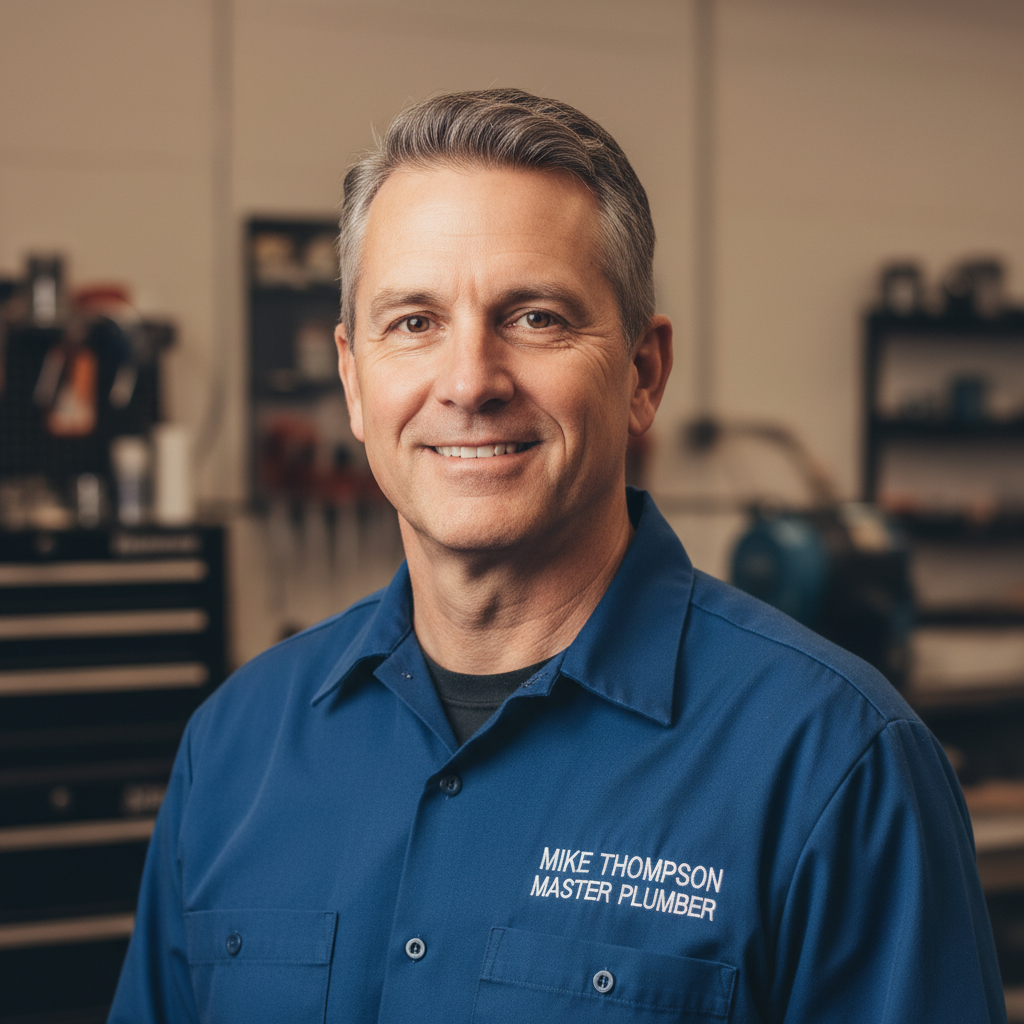
Master Plumber • License #MP-2847 • 28 Years Experience
Mike has responded to thousands of emergency calls across the GTA since 1996. He specializes in helping homeowners understand when to call for emergency service and when problems can safely wait. Member of the Canadian Institute of Plumbing & Heating (CIPH) and Ontario Plumbing Inspectors Association (OPIA).
🏆 2023 Best Plumber Award - Toronto Home Services