🎤 Quick Answer: How Do I Winterize My Plumbing in Toronto?
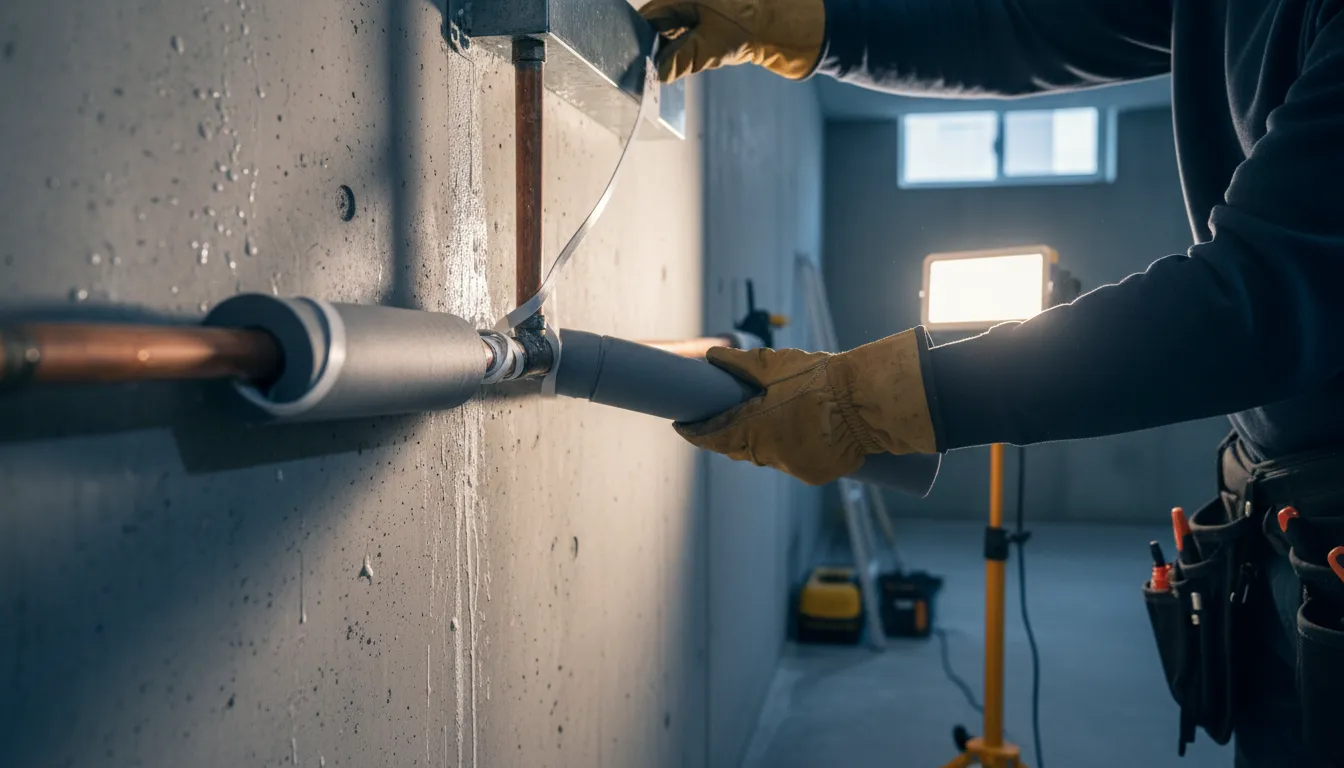
Winterize your Toronto plumbing by mid-November to prevent frozen and burst pipes. Start with outdoor faucets: disconnect hoses, shut off interior valves, drain water, and install insulated covers. Then address irrigation systems, water heater maintenance, and interior pipe protection. Professional winterization costs $150-$400 and can prevent $10,000+ in water damage.
🔑 Key Takeaways
- Complete outdoor winterization by November 1st (before first hard freeze)
- Disconnect ALL garden hoses—even frost-free faucets can burst with hose attached
- Irrigation blowout requires 50+ PSI compressed air—hire a pro or rent equipment
- Snowbirds: maintain 15°C minimum OR fully drain all water systems
- DIY winterization: $20-$50 in supplies • Professional: $150-$400
- One burst pipe averages $5,000-$15,000 in Toronto repairs + water damage
Every November, I get calls from Toronto homeowners who thought winterization was "something cottagers do." Then they discover a burst pipe in January—inside their wall, flooding their basement, with no warning until they see water dripping from the ceiling.
After 28 years of fixing preventable winter plumbing disasters across the GTA, I've written this complete guide to help you protect your home. Whether you're staying put or heading south for the winter, these steps will save you thousands. Need professional winterization? Call Water Pro at (647) 554-4356.
Toronto Winterization Timeline: When to Do What
Timing matters. Toronto's climate gives us a narrow window between pleasant fall weather and sudden freezing temperatures. Here's your month-by-month schedule:
Irrigation System Blowout
Schedule professional irrigation blowout before companies get booked. Water left in sprinkler lines will freeze and crack pipes underground.
Outdoor Faucet Preparation
Disconnect hoses, locate interior shutoffs, drain outdoor faucets. Don't wait—one early cold snap can cause damage.
Complete Outdoor Winterization
Install faucet covers, insulate exposed pipes in unheated areas, check exterior vents. This is your deadline.
Indoor System Check
Flush water heater, test sump pump, check for drafts near pipes, program thermostat for cold snaps.
Ongoing Monitoring
Monitor for cold snap protocols, keep cabinet doors open during extreme cold, know your main shutoff location.
💡 Pro Tip from Mike
Book irrigation blowout by October 1st. Landscaping companies that offer this service get fully booked by mid-October. Last-minute scheduling often means paying premium rates or risking frozen sprinkler lines. I've seen $3,000+ irrigation repairs from homeowners who waited too long.
Winterizing Outdoor Faucets (Hose Bibs)
Outdoor faucets cause more winter burst pipes than any other plumbing fixture in Toronto homes. Even "frost-free" models can fail if winterized incorrectly.
1 Disconnect All Hoses
This is the #1 most important step—and the most commonly skipped. A hose left connected traps water in the faucet, which freezes and expands, cracking the pipe inside your wall.
Even frost-free faucets will burst with a hose attached. The frost-free design only works when water can drain out—a hose prevents drainage.
2 Locate Interior Shutoff Valve
Most Toronto homes have a dedicated shutoff valve for each outdoor faucet, usually in the basement near where the pipe exits the wall. Turn it clockwise to close.
Can't find it? Look for a valve with a small bleeder cap on pipes heading toward exterior walls. If you have a 1950s-1970s Toronto home, you may not have individual shutoffs—call us at (647) 554-4356 to add them.
3 Drain the Line
After closing the interior valve, go outside and open the faucet fully. Let any remaining water drain out. Leave the outdoor faucet slightly open all winter.
Pro tip: If your shutoff valve has a small bleeder cap, open it after closing the valve to ensure complete drainage.
4 Install Insulated Faucet Cover
Even with proper drainage, insulated covers add protection against extreme cold. These foam or hard plastic covers cost $5-$15 at Canadian Tire or Home Depot.
Skip cheap fabric covers—they absorb moisture and can actually make freezing worse. Hard shell or thick foam covers work best.
⚠️ Common Mistake: Frost-Free Faucet Myth
Many homeowners believe frost-free (or "freeze-proof") faucets don't need winterization. Wrong. These faucets have a longer stem that places the actual valve inside the warm house—but they still fail if: (1) a hose is attached, (2) the faucet slopes toward the house, or (3) the interior isn't heated. Winterize them like any other outdoor faucet.
Irrigation System Winterization
If you have an in-ground sprinkler system, professional blowout is essential. Unlike indoor pipes, irrigation lines sit just below the frost line and will freeze in a Toronto winter.
Why You Need Professional Blowout
Irrigation blowout requires compressed air at 50-80 PSI to force water out of every valve, pipe, and sprinkler head. Your shop compressor won't cut it—the volume of air matters more than pressure.
What Professional Blowout Includes
- Shutoff of main irrigation supply
- Zone-by-zone compressed air blowout (each zone run 2-3 times)
- Backflow preventer drainage and protection
- Controller shutoff or winter mode programming
- Visual inspection of sprinkler heads for damage
DIY option: You can rent a commercial air compressor (10+ CFM) for $50-$75/day and do it yourself. However, if you miss one zone or don't run it long enough, you risk expensive repairs. For most homeowners, the professional $100 service is worth the peace of mind.
Water Heater Winter Maintenance
Your water heater works hardest in winter—Toronto's incoming water drops from 15°C to near-freezing, meaning your heater must work twice as hard. Fall maintenance prevents mid-winter failures.
Essential Water Heater Winterization Steps
🔥 Water Heater Winter Checklist
Sediment buildup reduces efficiency by 20-30% and accelerates tank corrosion
Should release water and snap back closed. If it drips or doesn't release, replace it.
Higher temps waste energy; lower temps can allow bacteria growth
Sacrificial rod prevents tank rust. Replace when 50%+ depleted.
Reduces heat loss and prevents condensation in cold basements
When to call a professional: If your water heater is 8+ years old, schedule a professional inspection before winter. Tank water heaters last 10-12 years on average—you don't want a failure in January. Call (647) 554-4356 for water heater service.
Protecting Interior Pipes
While outdoor faucets get all the attention, interior pipes freeze too—especially in older Toronto homes with poor insulation or pipes routed through exterior walls.
High-Risk Areas in Toronto Homes
- Exterior wall pipes — Kitchen sinks on outside walls (common in 1950s-70s builds)
- Unheated garages — Pipes to garage sinks or laundry
- Crawl spaces — Especially in homes with additions
- Basement rim joists — Where floor meets foundation wall
- Attic spaces — Bathroom vents and supply lines to second-floor bathrooms
Interior Winterization Checklist
🏠 Interior Pipe Protection
For comprehensive pipe freezing prevention strategies, see our detailed guide: Prevent Frozen Pipes Toronto: 12 Expert Tips.
Sump Pump Winter Readiness
Toronto's freeze-thaw cycles mean your sump pump may run even in winter. Frozen discharge lines or pump failures during a mid-winter thaw can flood your basement.
Sump Pump Winter Checklist
- Test the pump — Pour water into pit until float activates
- Check discharge line — Ensure it drains away from foundation and won't freeze
- Install freeze guard — Allows water to escape if line freezes ($20-$40)
- Test battery backup — Power outages are common in winter storms
- Clear pit of debris — Remove any gravel or sediment
💡 Pro Tip from Mike
If your sump pump discharge line runs above ground before going underground, it will freeze during extended cold spells. Install a freeze guard or IceGuard fitting—they allow water to escape through holes if the line freezes, preventing basement flooding and pump burnout. This $30 part has saved hundreds of Toronto basements.
Snowbird Guide: Winterizing for Extended Absence
Heading to Florida or Arizona for the winter? Your empty Toronto home needs special attention. An undetected burst pipe in a vacant house can cause catastrophic damage—I've seen $80,000+ repair bills.
🌴 You Have Two Options as a Snowbird:
Option A: Maintain Heat
- Keep thermostat at 15°C minimum (never below 12°C)
- Have someone check weekly and after major storms
- Install water leak sensors with alerts
- Consider smart thermostat for remote monitoring
Option B: Full Winterization (No Heat)
- Shut off main water supply
- Drain all water lines, water heater, and toilet tanks
- Add RV antifreeze to all drain traps
- Disconnect and drain washing machine hoses
- Turn off water heater
Full Snowbird Winterization Checklist
✈️ Leaving Toronto for 30+ Days
Use non-toxic RV/marine antifreeze (pink), NOT automotive antifreeze
Many policies require home checks every 72 hours—full winterization may waive this
Professional snowbird winterization: $250-$500. This includes complete drainage, antifreeze treatment, and written documentation for insurance purposes. Call (647) 554-4356 to schedule before you leave.
Winterization Cost Breakdown
Whether you DIY or hire a professional, winterization is one of the best investments you can make. Here's what Toronto homeowners pay:
| Service | DIY Cost | Professional Cost |
|---|---|---|
| Outdoor faucet winterization | $15-$30 | $75-$150 |
| Irrigation system blowout | $50-$75 (rental) | $75-$150 |
| Water heater flush + inspection | $0-$10 | $100-$175 |
| Pipe insulation (whole home) | $50-$150 | $150-$400 |
| Complete winterization package | $100-$250 | $250-$500 |
| Snowbird full winterization | $75-$150 | $300-$500 |
Cost of NOT Winterizing
| Repair Type | Average Cost | With Water Damage |
|---|---|---|
| Burst outdoor faucet repair | $300-$800 | $1,500-$5,000 |
| Frozen irrigation line repair | $500-$2,000 | $2,000-$4,000 |
| Interior burst pipe repair | $500-$1,500 | $5,000-$25,000+ |
| Average winter plumbing claim | $10,000-$15,000 (Insurance Bureau of Canada) | |
Frequently Asked Questions
Winterize your Toronto plumbing by mid-November, before the first hard freeze. Outdoor faucets and irrigation systems should be done by November 1st. Indoor preparations can wait until temperatures consistently drop below 5°C.
Professional plumbing winterization in Toronto costs $150-$400 depending on home size and systems. Basic outdoor faucet winterization runs $75-$150. Full-service packages including irrigation blowout, water heater inspection, and sump pump check cost $300-$500.
Yes, absolutely. Snowbirds leaving Toronto for extended periods should either maintain heat above 15°C with someone checking weekly, or fully winterize by draining all water lines, water heater, and adding antifreeze to drain traps. A frozen pipe in an empty home can cause $50,000+ in damage.
Most homeowners can DIY basic winterization: disconnecting hoses, insulating outdoor faucets, and checking for drafts. However, irrigation system blowouts, main water shutoff issues, and vacation home winterization benefit from professional service to avoid missed steps that cause expensive damage.
Un-winterized outdoor faucets can freeze, crack, and burst inside the wall—often without you knowing until spring. The average repair cost for a burst outdoor faucet in Toronto is $800-$2,500, plus potential water damage. Prevention takes 10 minutes and costs under $20.
For occupied homes, don't drain your water heater—just flush 2-3 gallons to remove sediment and check the pressure relief valve. Only drain completely if winterizing a vacant property. Annual flushing extends water heater life and improves efficiency during high-demand winter months.
Get Your Home Winter-Ready
Winterizing your Toronto plumbing isn't optional—it's essential protection against one of the most expensive home repairs you can face. A $200-$500 investment in proper winterization can prevent $10,000-$50,000+ in water damage and repairs.
Start now: Even if you're reading this in December, it's not too late. Get those hoses disconnected, check your outdoor faucets, and schedule any professional services you need.
Need Professional Winterization?
Licensed plumbers available for complete winterization service. Protect your home before the freeze.
📞 Call (647) 554-4356Same-day service • 90-day guarantee • 5,234+ families helped
Related Winter Plumbing Guides

About Mike Thompson
Master Plumber • License #MP-2847 • 28 Years Experience
Mike has been helping Toronto homeowners prepare for winter since 1996. He specializes in residential plumbing winterization and has prevented thousands of freeze-related disasters across the GTA. Member of the Ontario Plumbing Inspectors Association (OPIA).
View Full Profile →