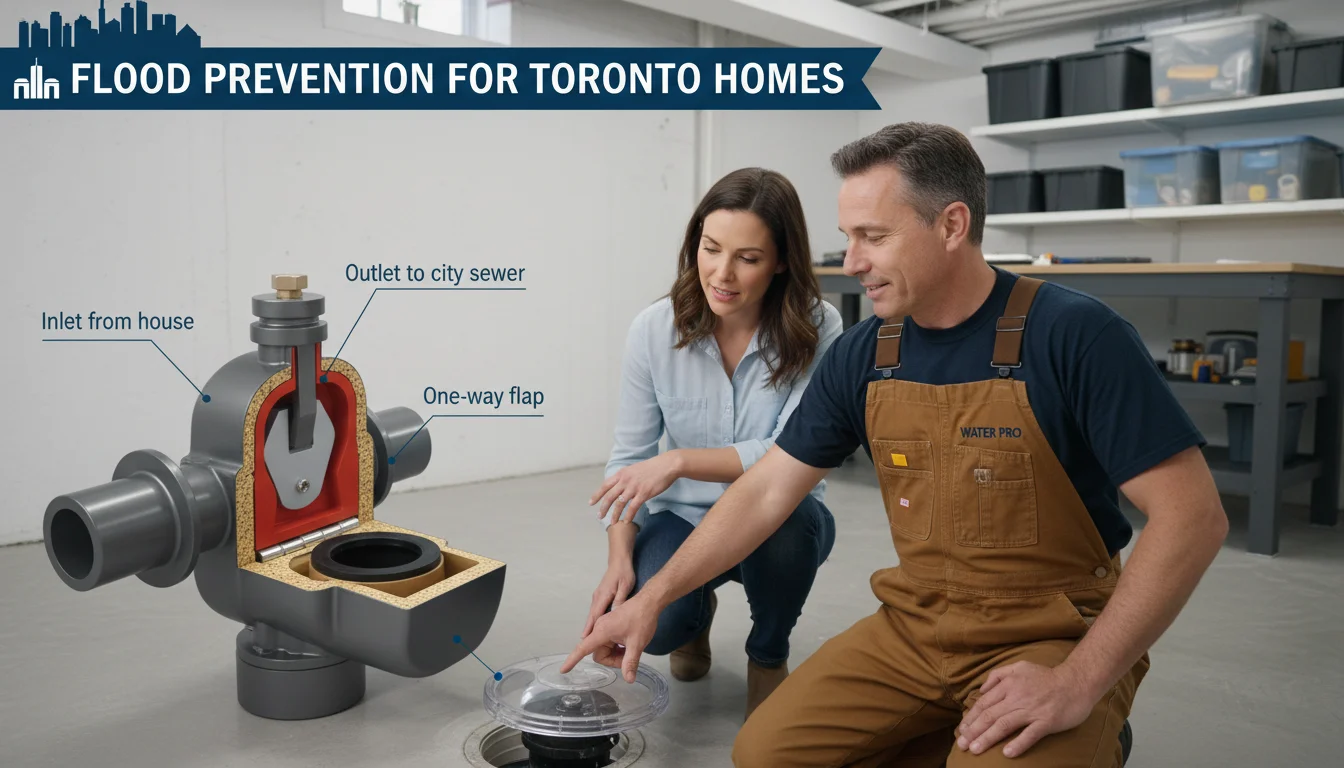
Quick Answer: What Is a Backwater Valve?
A backwater valve is a one-way valve installed on your main sewer line that prevents sewage from backing up into your basement. During heavy storms when Toronto's sewer system overflows, the valve automatically closes to protect your home. Installation costs $1,500-$4,000, but the City of Toronto offers up to $3,400 in rebates, often covering most or all of the cost.
💰 City of Toronto Backwater Valve Rebate
The Basement Flooding Protection Subsidy Program reimburses Toronto homeowners for backwater valve installation. Need help with the application? Call (647) 554-4356—we handle the paperwork.
Key Takeaways
- Backwater valves prevent sewage backup during heavy storms
- Installation costs $1,500-$4,000 in Toronto (2025 prices)
- City of Toronto rebate covers up to $3,400 of the cost
- Required by Toronto building code for new construction since 2014
- Annual maintenance ($99-$150) keeps the valve functioning properly
- Only licensed plumbers with City permits qualify for rebates
- Most installations completed in 4-6 hours
- Insurance discounts available for homes with backwater valves
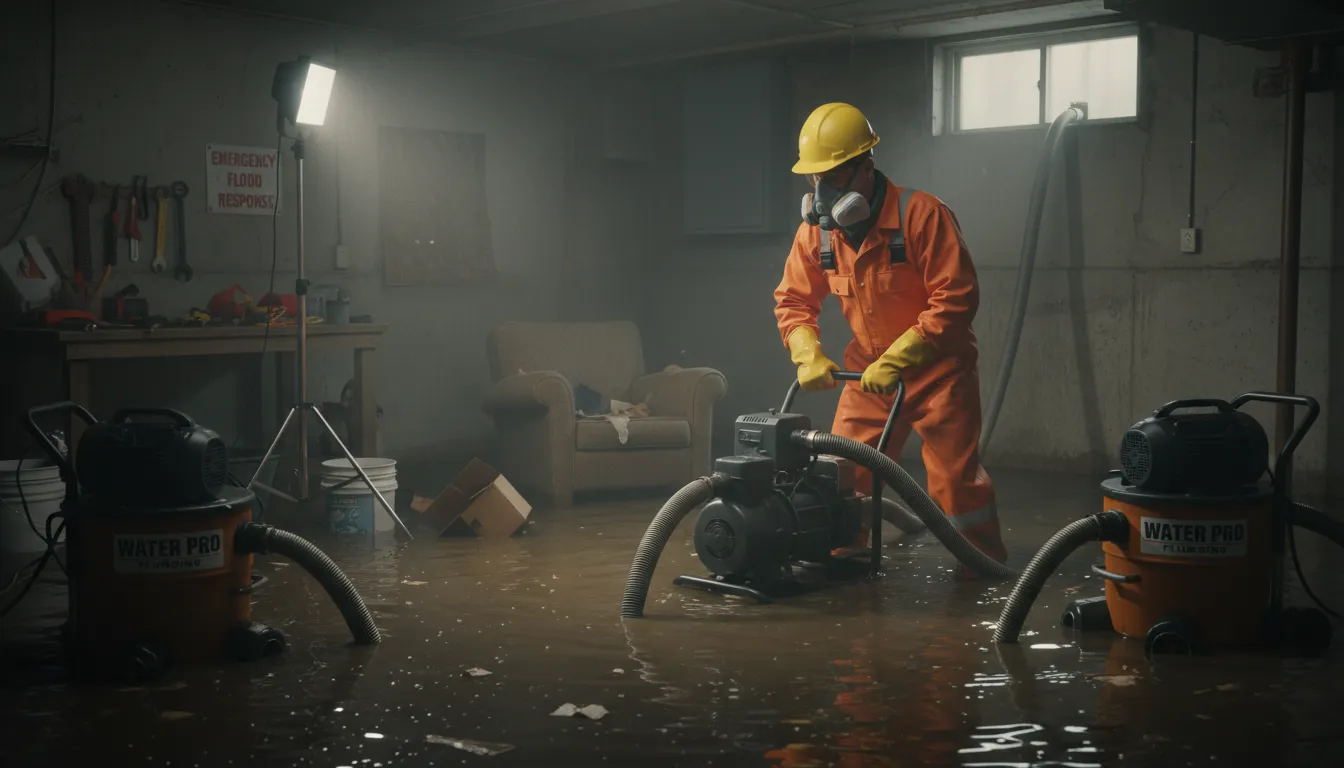
If you've ever experienced the nightmare of raw sewage backing up into your basement, you know it's not just disgusting—it's devastating. Cleanup costs average $10,000-$50,000, and many items are simply irreplaceable. The good news? A backwater valve costing a fraction of that can prevent the problem entirely.
After installing hundreds of backwater valves across the GTA since 2000, I've seen firsthand how this simple device saves Toronto homeowners from disaster. This guide covers everything you need to know—from how backwater valves work to getting the maximum City rebate. For immediate help, call (647) 554-4356 for a free assessment.
What Is a Backwater Valve and How Does It Work?
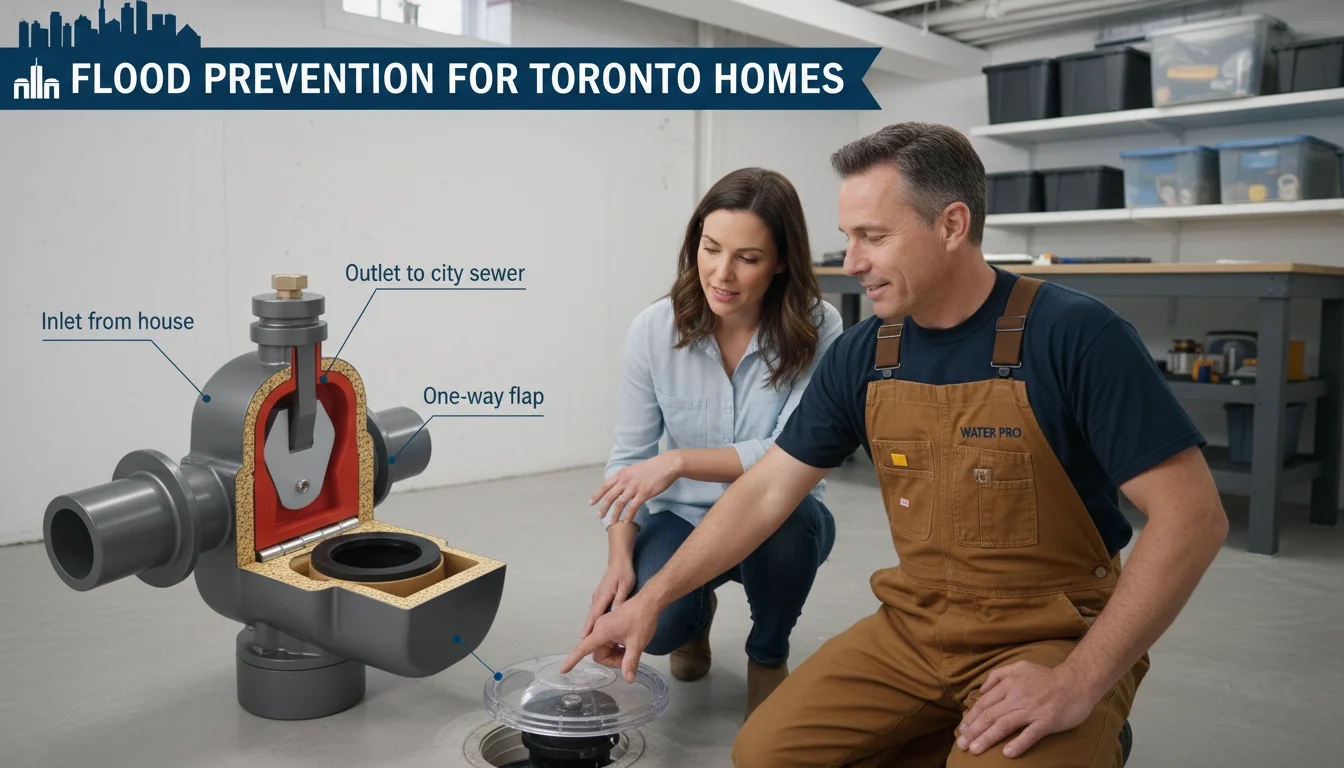
A backwater valve (also called a backflow preventer or sewer backup valve) is installed on your home's main sewer line, typically in the basement floor near where the line exits to the municipal sewer. Here's how it protects your home:
Normal Operation
Under normal conditions, the valve stays open, allowing wastewater from your toilets, sinks, showers, and appliances to flow freely to the city sewer. A hinged flap inside the valve swings open as water flows out, then rests in the open position.
During Sewer Backup
When Toronto's sewer system becomes overwhelmed—usually during heavy rainstorms or rapid snowmelt—pressure builds in the opposite direction. Without a backwater valve, this sewage-laden water has nowhere to go but up through your floor drains, toilets, and basement fixtures.
With a backwater valve: The reverse pressure pushes the flap closed, creating a watertight seal that blocks sewage from entering your home. Your home is protected even if neighboring homes flood.
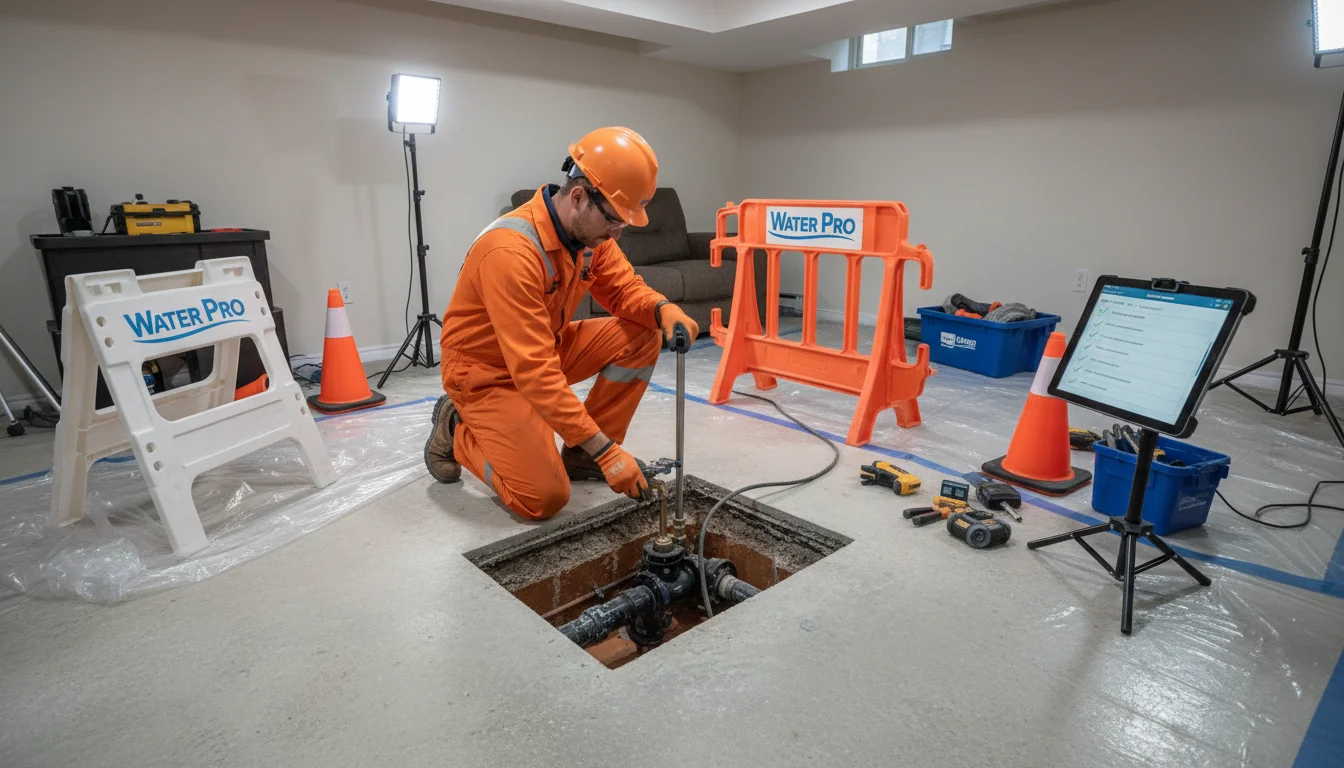
Types of Backwater Valves: Which Is Right for Your Home?
Not all backwater valves are created equal. Toronto plumbers typically install three types:
Normally Open (Flap) Valve
Most CommonSimple gravity-operated flap that swings closed during backup.
- Cost: $1,500-$2,500
- Low maintenance
- Qualifies for City rebate
- Not suitable for all pipe types
Gate (Full-Port) Valve
RecommendedFull-diameter gate provides maximum flow and reliable sealing.
- Cost: $2,500-$4,000
- Best for older homes
- Easy inspection access
- Qualifies for full $3,400 rebate
Combination Valve
PremiumDual protection with both flap and gate mechanisms.
- Cost: $3,000-$4,500
- Maximum protection
- Manual override option
- Higher maintenance needs
Inline Check Valve
Not RecommendedSimple check valve without access cover—doesn't meet code.
- No inspection access
- Doesn't qualify for rebate
- May void insurance
- Not code-compliant in Toronto
💡 Pro Tip from Mike
For most Toronto homes—especially those built before 1980—I recommend the gate valve. Yes, it costs more upfront, but it provides better flow (reducing clogs), easier maintenance access, and qualifies for the maximum rebate. The extra $500-$1,000 is often covered by the rebate anyway. Need advice specific to your home? Call (647) 554-4356 for a free assessment.
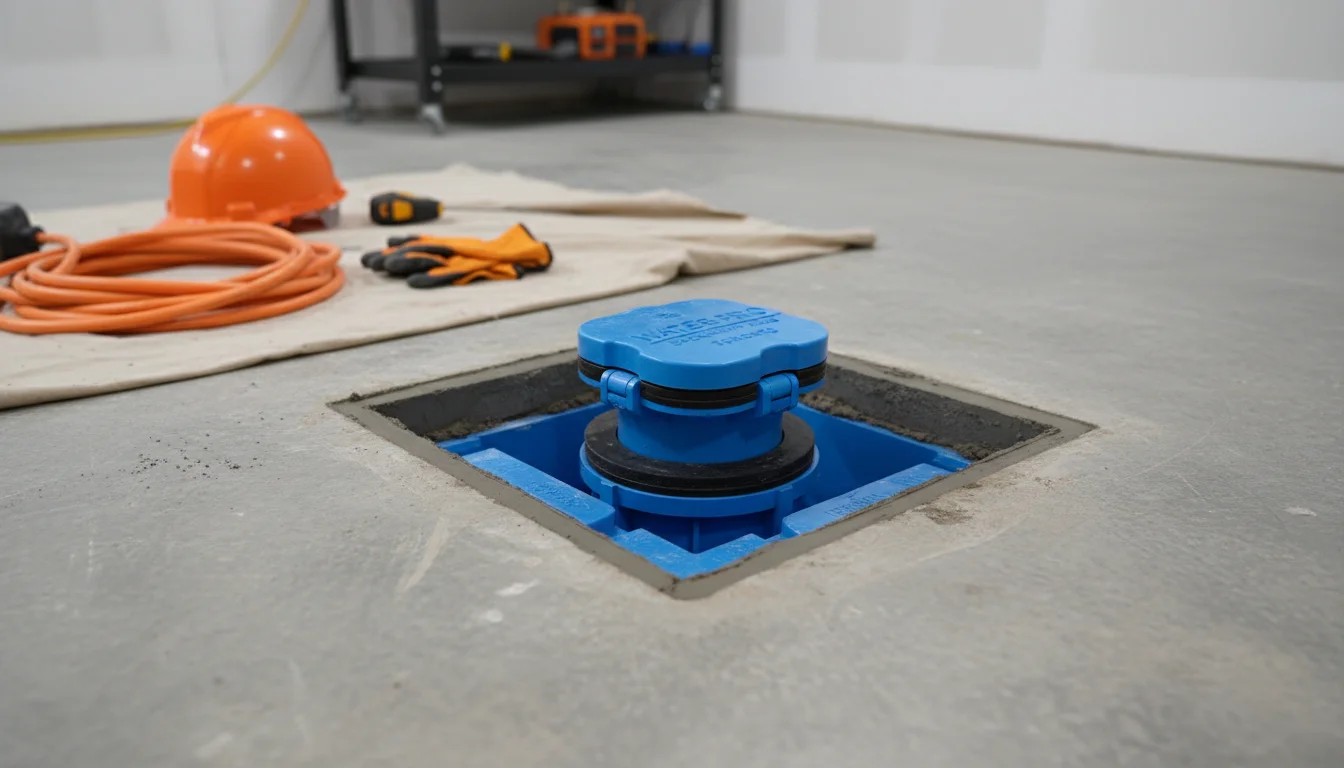
Backwater Valve Installation Cost in Toronto (2025)
Here's what Toronto homeowners actually pay for backwater valve installation in 2025. These prices include labour, materials, City permit, and inspection coordination:
| Installation Type | Price Range | After Rebate* |
|---|---|---|
| Basic Flap Valve Accessible location, standard pipe |
$1,500 - $2,000 | $0 - $0 |
| Gate Valve (Recommended) Full-port with access cover |
$2,500 - $3,500 | $0 - $100 |
| Combination Valve Premium dual-mechanism |
$3,000 - $4,500 | $0 - $1,100 |
| Difficult Access Installation Limited basement height, obstacles |
$3,000 - $5,000 | $0 - $1,600 |
| Sump Pump + Backwater Valve Combo Complete flood protection system |
$4,500 - $7,000 | $100 - $2,350** |
*After maximum $3,400 City of Toronto rebate. **Combined rebate: $3,400 backwater valve + $1,250 sump pump = $4,650 total available.
What Affects Installation Cost?
- Basement height: Low ceilings require more labour and specialized equipment
- Pipe material: Cast iron (common in pre-1970 homes) needs special fittings
- Pipe location: Under concrete vs. accessible crawlspace
- Existing cleanout: Homes without a cleanout need one installed
- Concrete cutting: Floor excavation adds $300-$800
- Toronto neighbourhood: Older homes in The Annex, Riverdale, and East York often cost more
How to Get the $3,400 City of Toronto Rebate
The City of Toronto's Basement Flooding Protection Subsidy Program reimburses homeowners for flood prevention upgrades. Here's exactly how to maximize your rebate:
Check Your Eligibility
You must own a residential property in Toronto with a municipal sewer connection. Condos, commercial properties, and homes on septic systems don't qualify. Check your property at toronto.ca/basementflooding.
Get a Plumbing Permit (BEFORE Installation)
Critical: You must obtain a plumbing permit BEFORE installation begins. Your licensed plumber can pull this permit for you. Cost: approximately $150-$300. Installations without permits don't qualify for rebates.
Use a Licensed Plumber
Only work done by Ontario-licensed plumbers qualifies. Ask for their license number and verify at Ontario College of Trades. Water Pro is fully licensed—verify by calling (647) 554-4356.
Schedule City Inspection
After installation, the City must inspect the work. Your plumber coordinates this—it's typically scheduled within 5-10 business days. The inspector verifies proper installation and approves the permit.
Submit Your Rebate Application
Within 60 days of inspection approval, submit your application online with: (1) Completed application form, (2) Itemized invoice showing valve type, (3) Proof of payment, (4) Copy of approved permit. Rebates are processed in 8-12 weeks.
⚠️ Common Rebate Mistakes to Avoid
- No permit: Installing without a permit disqualifies you from any rebate
- Wrong valve type: Simple check valves without access covers don't qualify
- Missed deadline: Applications must be submitted within 60 days of inspection
- Unlicensed work: DIY or handyman installations aren't covered
- Missing documents: Keep ALL receipts, permits, and photos
Do You Need a Backwater Valve? Signs Your Home Is at Risk
Not every Toronto home has the same flood risk. Here's how to assess yours:
High-Risk Indicators (Strongly Recommended)
- Previous basement flooding: If it happened once, it will happen again
- Basement below street level: Gravity works against you during backups
- Old neighbourhood: Areas with combined sewers (storm + sanitary) flood more often
- Near ravines or rivers: The Don Valley, Humber River, and Rouge River areas see frequent floods
- Basement bathroom/laundry: More fixtures = more entry points for backup
High-Risk Toronto Neighbourhoods
Based on City of Toronto flood maps and our 25 years of service data, these areas have elevated basement flooding risk:
Highest Risk Areas
- • Basement Broadview-Danforth
- • East York (Thorncliffe, Leaside)
- • Riverdale & Leslieville
- • The Beaches
- • Etobicoke (Mimico, Long Branch)
- • North York (Black Creek area)
Elevated Risk Areas
- • Scarborough (Highland Creek)
- • High Park & Bloor West
- • The Annex & Yorkville
- • Parkdale
- • Willowdale
- • Downtown core (older buildings)
You May NOT Need a Backwater Valve If:
- Your home was built after 2014 (already required by code)
- No basement or below-grade living space
- On a septic system (not connected to municipal sewer)
- Already have a properly installed and maintained valve
Not sure? We offer free flood risk assessments for Toronto homeowners. Call (647) 554-4356 to book yours.
Backwater Valve vs. Sump Pump: Do You Need Both?
This is one of the most common questions Toronto homeowners ask. The short answer: they do different jobs. Many homes benefit from having both.
| Feature | Backwater Valve | Sump Pump |
|---|---|---|
| Protects Against | Sewer backup through drains | Groundwater through foundation |
| How It Works | Blocks reverse flow (passive) | Pumps water out (active) |
| Power Required | No electricity needed | Requires power (battery backup recommended) |
| Maintenance | Annual inspection ($99-$150) | Monthly testing + annual service ($150-$250) |
| Installation Cost | $1,500-$4,000 | $1,500-$3,500 |
| City Rebate | Up to $3,400 | Up to $1,250 |
💡 Our Recommendation
If you have a finished basement or valuable items stored below grade, invest in both. A backwater valve prevents the most damaging type of flood (sewage), while a sump pump handles groundwater infiltration. With combined rebates of up to $4,650, your out-of-pocket cost for complete protection is often under $2,000. Learn more about sump pump installation.
Backwater Valve Maintenance: Keeping Your Protection Working
A backwater valve is only effective if it's properly maintained. Here's what you need to know:
Annual Maintenance Tasks
- Open the access cover and visually inspect the valve mechanism
- Remove debris—toilet paper, wipes, and buildup can prevent the flap from sealing
- Check the seal/gasket for cracks or deterioration
- Test the flap by manually opening and closing it
- Clean the housing to prevent corrosion
- Document the inspection (required for insurance claims)
Maintenance Costs
- DIY inspection: Free (if accessible and you're comfortable)
- Professional annual service: $99-$150
- Maintenance plan (annual service + priority scheduling): $149-$199/year
⚠️ Never Flush These Items
These "flushable" items can jam your backwater valve:
- • "Flushable" wipes (they're not really flushable)
- • Feminine hygiene products
- • Cotton swabs or dental floss
- • Paper towels or tissues
- • Cooking grease (even in small amounts)
Signs Your Backwater Valve Needs Repair
- Sewage smell near floor drains (valve not sealing properly)
- Slow drainage in basement fixtures
- Visible rust, corrosion, or damage on the valve
- Water marks around the access cover
- Gurgling sounds from drains during heavy rain
- Basement flooding despite having a valve installed
Notice any of these signs? Don't wait for the next storm. Call (647) 554-4356 for same-day inspection service.
What to Expect During Installation
Understanding the installation process helps you prepare and ensures the job goes smoothly:
Before Installation Day
- Permit obtained (your plumber handles this)
- Clear access path to basement drain area
- Remove stored items from the work zone (6-8 feet around the drain)
- Ensure water and electricity are accessible
- Plan for 4-8 hours without plumbing use
Installation Steps
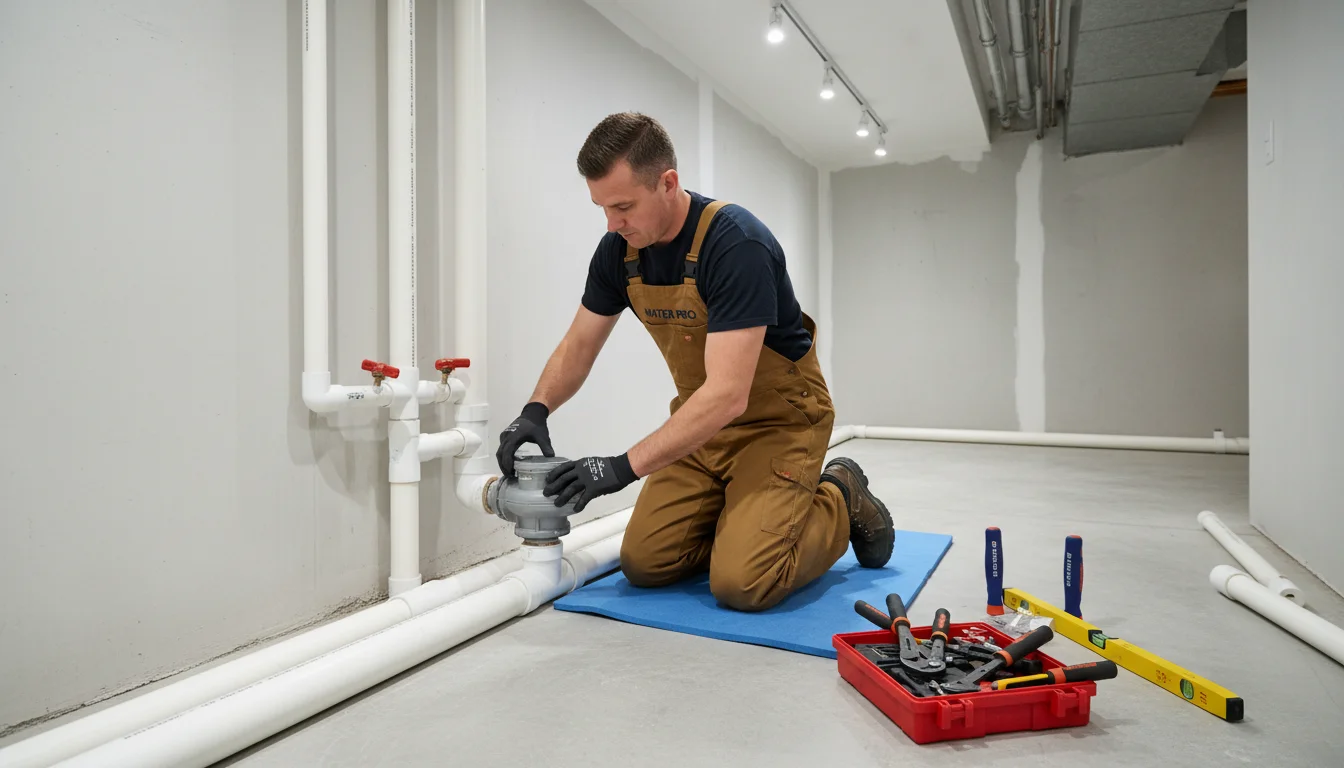
- Locate and expose the main sewer line (may require concrete cutting)
- Cut the existing pipe where the valve will be installed
- Install the backwater valve with proper fittings and connections
- Install access cover flush with or above the floor
- Pour new concrete around the installation (if needed)
- Test the valve to ensure proper operation
- Clean up and restore the work area
Timeline
- Standard installation: 4-6 hours
- Complex installation: 6-8 hours or 2 days (if extensive concrete work needed)
- City inspection: Usually within 5-10 business days after installation
Insurance Benefits of Having a Backwater Valve
Beyond flood prevention, a backwater valve can save you money on insurance:
Insurance Premium Discounts
Many Toronto home insurance companies offer 5-15% discounts on sewer backup coverage for homes with properly installed backwater valves. Over time, this can add up to hundreds of dollars in savings.
Improved Claim Outcomes
If flooding does occur (from other causes), having a documented backwater valve installation shows you've taken reasonable precautions. This can improve claim outcomes and reduce disputes.
Documentation Tips
- Keep your installation invoice and permit
- Photograph the installed valve and access cover
- Document annual maintenance with dated photos and receipts
- Notify your insurance company after installation to claim any available discount
Frequently Asked Questions
A backwater valve is a one-way valve installed on your sewer line that allows sewage to flow out but automatically closes to prevent sewage from backing up into your basement. When the city sewer overflows during heavy rain, the valve's flap closes to protect your home. It's a passive system requiring no electricity or manual operation.
Backwater valve installation in Toronto costs $1,500-$4,000 depending on the valve type, accessibility, and existing plumbing. A basic flap valve costs $1,500-$2,500, while a gate valve with full-port access costs $2,500-$4,000. The City of Toronto offers up to $3,400 in rebates, often covering most or all of the installation cost.
To qualify for the $3,400 rebate: (1) Your property must be in Toronto with a City sewer connection, (2) Get a City-approved plumbing permit before installation, (3) Use a licensed plumber, (4) Have the work inspected by the City. Apply through Toronto.ca/basementflooding within 60 days of inspection approval.
Yes, backwater valves and sump pumps serve different purposes. A sump pump removes groundwater entering through foundation walls. A backwater valve prevents sewage backup through your drains. Toronto homes prone to flooding benefit from having both protection systems. Combined City rebates total up to $4,650.
Backwater valves should be inspected and cleaned annually. The valve flap needs cleaning to remove debris that could prevent proper sealing. Many Toronto plumbers offer maintenance plans for $99-$150/year. Regular maintenance is recommended to ensure proper function and may be required for insurance coverage.
Signs include: sewage smells near floor drains, slow drainage in basement fixtures, visible rust or corrosion on the valve, water marks around the access cover, or valve making unusual noises. If you've experienced basement flooding despite having a valve, call for immediate inspection.
No. Toronto building code requires backwater valve installation by a licensed plumber with a City permit. DIY installation voids insurance coverage and doesn't qualify for the $3,400 rebate. Professional installation ensures proper placement, correct valve type, and City inspection approval.
Backwater valves are specifically designed for sewer lines with accessible cleanout covers, meeting Toronto code requirements and allowing for inspection and maintenance. Check valves are simpler devices without access covers. Only proper backwater valves qualify for City rebates and provide adequate flood protection.
The Bottom Line: Is a Backwater Valve Worth It?
Absolutely yes. Consider the math: The average basement flood cleanup costs $10,000-$50,000 in Toronto. A backwater valve installation costs $1,500-$4,000—but with the City rebate covering up to $3,400, your actual cost is often under $500 for complete protection.
Add in potential insurance premium discounts (5-15% on sewer backup coverage), peace of mind during every Toronto storm, and protection of your finished basement and belongings, and the return on investment is overwhelming.
The July 2013 Toronto flood caused $850 million in insurance claims and flooded over 30,000 basements. Similar storms in 2018 and 2023 proved this wasn't a one-time event. Climate change is making intense rainfall more common in the GTA.
Don't wait for the next major storm. Protect your home now while rebate funding is still available.
Ready to Protect Your Home?
Free assessment • City rebate assistance • Licensed & insured
📞 Call (647) 554-43565,234+ families protected • 4.9★ rating • 90-day guarantee
Related Articles
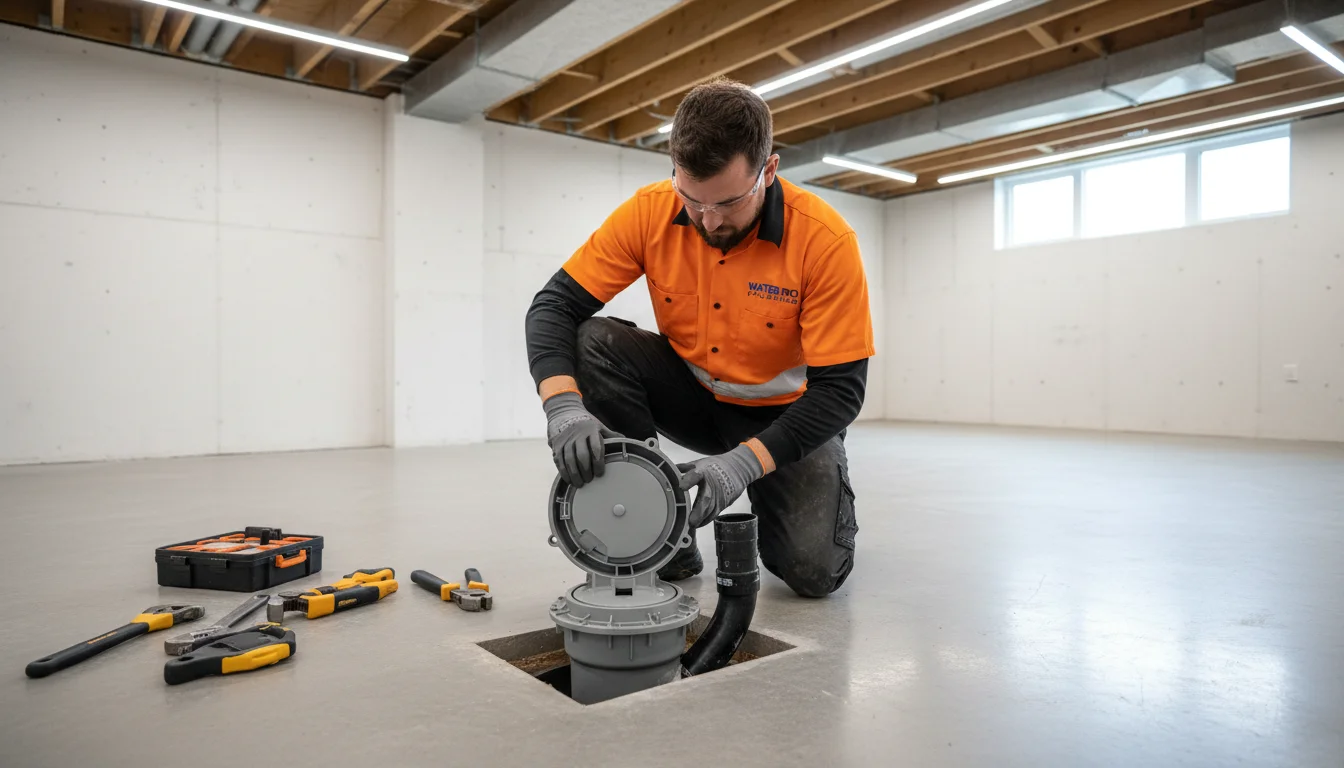

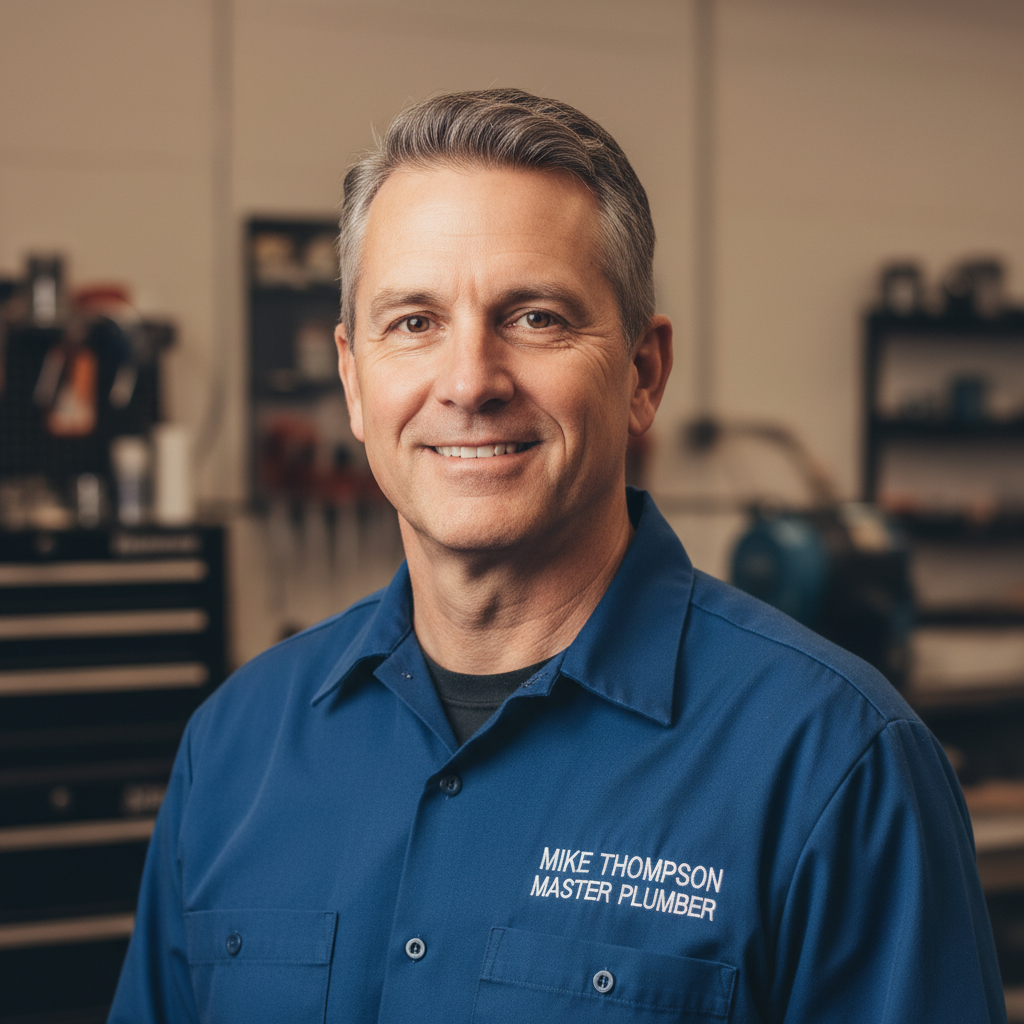
About Mike Thompson
Master Plumber • License #MP-2847 • 28 Years Experience
Mike has installed over 500 backwater valves across the GTA since 2000. He specializes in flood prevention systems and helps homeowners navigate the City rebate process. Member of the Canadian Institute of Plumbing & Heating (CIPH) and Ontario Plumbing Inspectors Association (OPIA).
Certified Backwater Valve Installer • City of Toronto Permit Specialist • Featured in Toronto Star