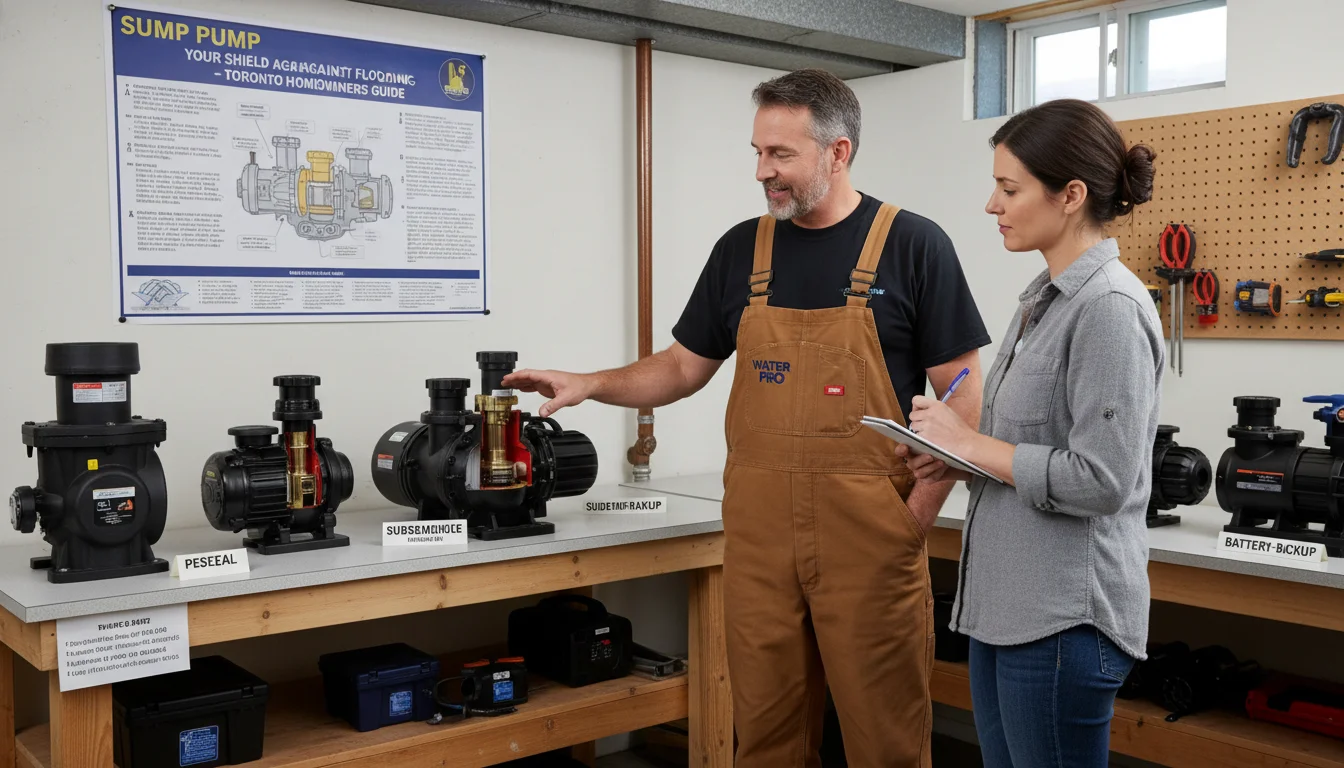
Quick Answer: What Sump Pump Do I Need in Toronto?
Most Toronto homes need a 1/3 HP to 1/2 HP submersible sump pump with battery backup. Expect to pay $400-$800 for a basic installation or $1,500-$3,500 for a premium system with battery backup. Homes in flood-prone areas like The Beaches, Riverdale, or areas with high water tables should prioritize backup systems and larger pumps.
Key Takeaways
- Submersible pumps ($250-$600) are quieter and more efficient than pedestal pumps ($100-$300)
- Battery backup ($300-$800) is essential for Toronto's storm-related power outages
- Most homes need 1/3 HP to 1/2 HP pumps; high water tables may require 3/4 HP or larger
- Professional installation costs $200-$500 on top of pump price
- Sump pumps last 7-10 years with quarterly testing and annual maintenance
- Toronto building code requires permits for new sump pump installations
If you've ever walked into your basement after a Toronto spring thaw or summer storm to find water pooling on the floor, you understand why sump pumps are so critical in the GTA. Our clay-heavy soil, high water tables in many neighborhoods, and increasingly intense rainfall events make basement flooding a constant threat for thousands of homeowners.
After 28 years of installing and repairing sump pumps across Toronto, Mississauga, Brampton, and the surrounding regions, I've seen every type of flooding scenario—and the pumps that prevent them. This comprehensive guide covers everything you need to know about sump pumps, from choosing the right type for your home to maintenance tips that extend pump life. For immediate help with sump pump installation or repair, call (647) 554-4356.
What Is a Sump Pump and How Does It Work?
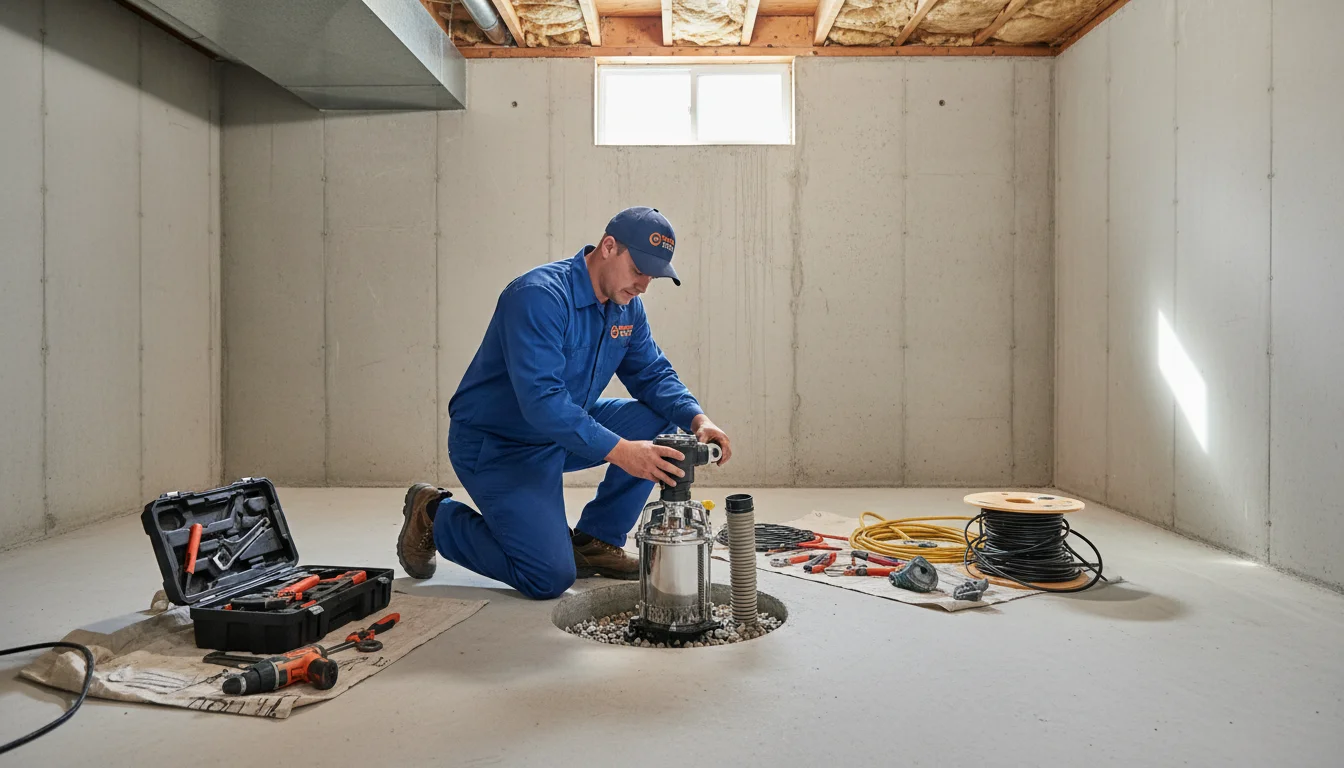
A sump pump is an electrically powered device installed in a pit (called a sump basin or sump pit) at the lowest point of your basement or crawl space. Its job is simple but critical: remove water that collects in the pit before it floods your basement.
How Sump Pumps Work: Step-by-Step
- Water collection: Groundwater, rainwater, or water from weeping tiles flows into the sump pit through drain tiles or naturally through the soil.
- Float activation: As water rises, a float switch (similar to a toilet float) rises with it. When water reaches a preset level, the float triggers the pump to turn on.
- Pumping: The pump's impeller spins rapidly, forcing water up and out through a discharge pipe.
- Discharge: Water exits through a pipe that leads away from your foundation—typically to your yard, storm sewer, or dry well at least 6-10 feet from your home.
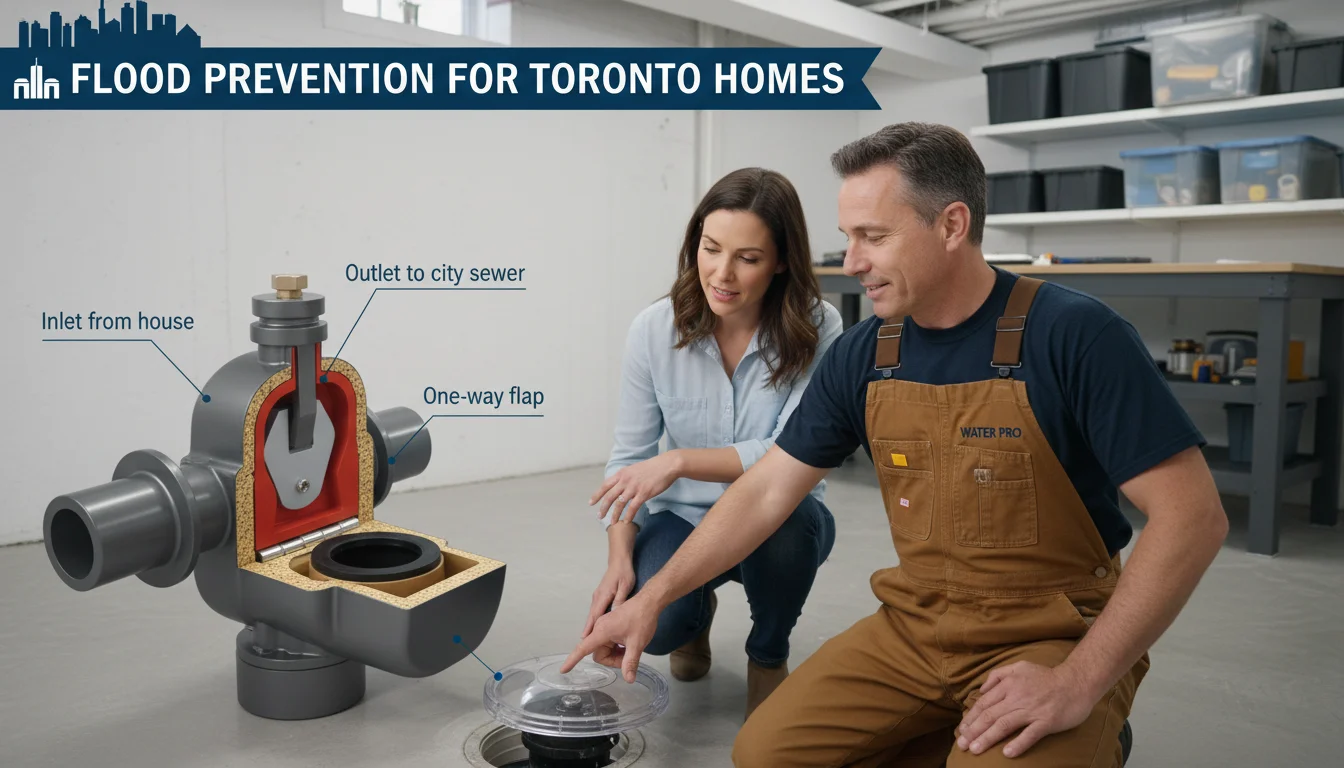
- Check valve: A one-way check valve in the discharge line prevents pumped water from flowing back into the pit.
- Cycle completion: Once the water level drops, the float descends and shuts off the pump until the next cycle.
💡 Pro Tip from Mike
A properly sized sump pump should run for 10-25 seconds per cycle during normal conditions. If your pump runs constantly or for very short bursts (under 5 seconds), there's likely a sizing, float, or drainage issue. Short cycling wears out pumps quickly. Call (647) 554-4356 if you notice unusual cycling patterns.
Types of Sump Pumps: Which Is Right for Your Toronto Home?
Choosing the right sump pump type depends on your basement layout, flooding frequency, noise tolerance, and budget. Here's a detailed breakdown of each type:
1. Submersible Sump Pumps
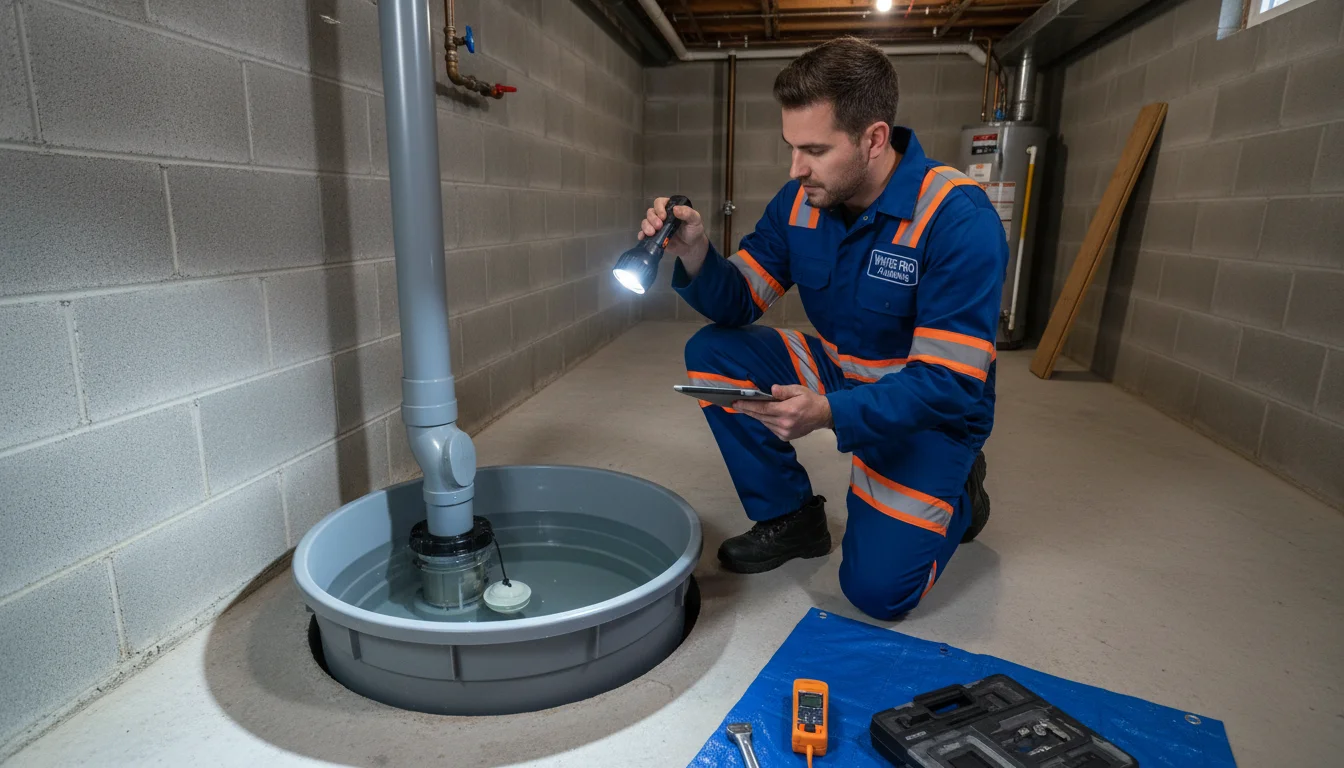
How they work: The entire pump, including the motor, sits inside the sump pit, completely submerged in water. The motor is sealed in a waterproof housing.
Pros:
- Quieter operation (water muffles motor noise)
- More powerful—can handle debris and solids
- Space-efficient (completely in pit)
- Water cools the motor, extending lifespan
- Better for finished basements where noise matters
Cons:
- Higher cost ($250-$600 for pump alone)
- Harder to access for repairs
- Seal failures can damage motor
Best for: Most Toronto homes, especially finished basements, homes with frequent pumping needs, and situations where quiet operation matters.
2. Pedestal Sump Pumps
How they work: The motor sits on a pedestal above the sump pit, with only the impeller (pump mechanism) extending into the water. A long shaft connects the motor to the impeller.
Pros:
- Lower cost ($100-$300)
- Easier to access for maintenance and repairs
- Motor stays dry, potentially longer lifespan
- Works in narrower sump pits
Cons:
- Louder operation (motor is exposed)
- Less powerful—struggles with debris
- Takes up visible space in basement
- Can tip over if bumped
Best for: Unfinished basements, tight budgets, or situations where easy motor access is important.
3. Battery Backup Sump Pumps
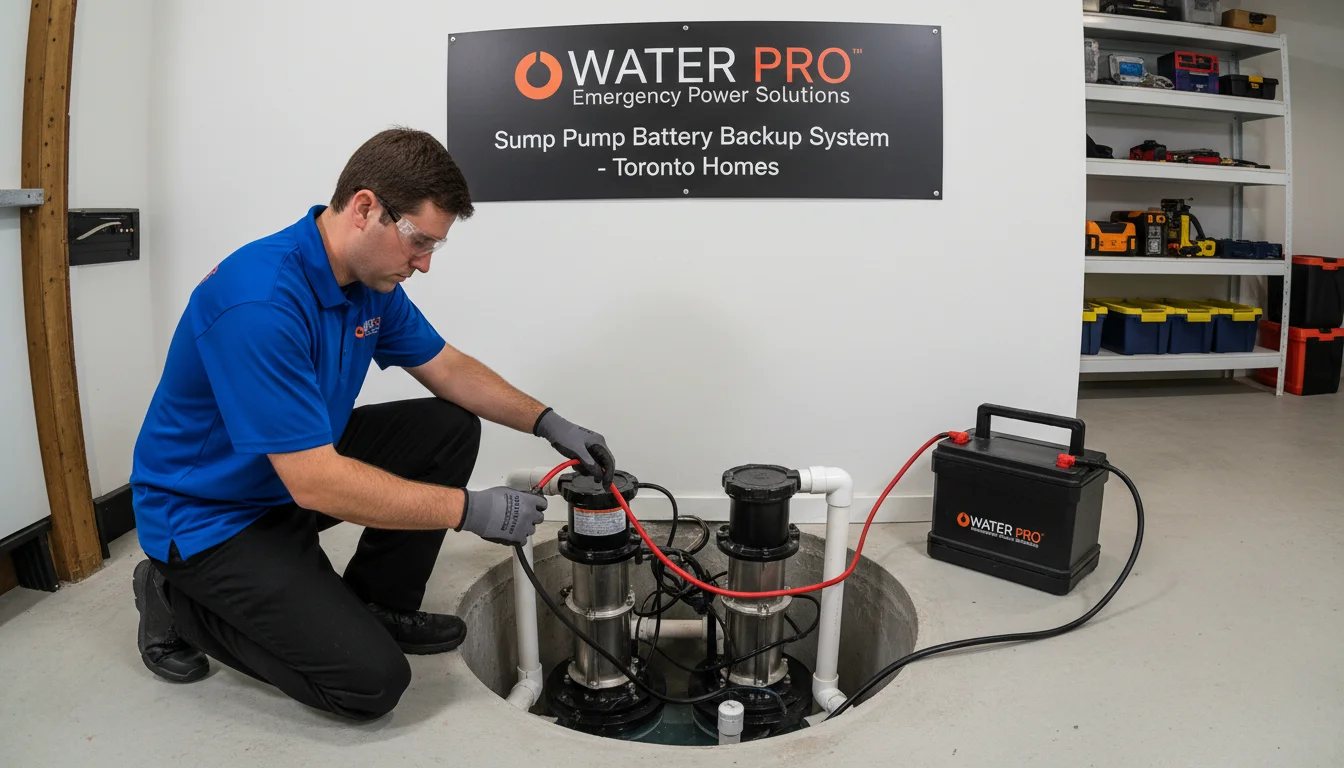
How they work: A secondary pump powered by a deep-cycle marine battery that activates when the primary pump fails or power goes out.
Pros:
- Protection during power outages (critical during storms)
- Backup if primary pump fails
- Many include alarms for pump failure or high water
- Peace of mind when traveling
Cons:
- Higher cost ($300-$800 additional)
- Batteries need replacement every 3-5 years
- Limited runtime (3-8 hours depending on pumping frequency)
- Requires occasional testing
⚠️ Why Toronto Homes Need Battery Backup
Toronto Hydro reports an average of 3-5 power outages per year, with many occurring during the exact storm conditions that cause basement flooding. Without battery backup, your primary pump is useless when you need it most. According to the City of Toronto, basement flooding claims average $43,000 per incident. A $500 battery backup is cheap insurance.
4. Water-Powered Backup Pumps
How they work: Uses municipal water pressure to create suction that removes water from the pit. No electricity or batteries required.
Pros:
- Unlimited runtime (as long as water pressure exists)
- No batteries to replace
- Very reliable—few moving parts
Cons:
- Uses 1-2 gallons of municipal water for every gallon pumped
- Higher water bills during heavy use
- Requires good municipal water pressure (40+ PSI)
- Not suitable for well water homes
- May require backflow preventer installation
Best for: Homes with reliable municipal water pressure seeking unlimited backup runtime.
5. Combination (Primary + Backup) Systems
The gold standard for Toronto homes: a submersible primary pump paired with a battery backup pump in the same pit. Many systems include monitoring with smartphone alerts.
| Pump Type | Cost (Pump Only) | Best For | Noise Level |
|---|---|---|---|
| Submersible | $250-$600 | Finished basements, most homes | Quiet |
| Pedestal | $100-$300 | Unfinished basements, budget | Loud |
| Battery Backup | $300-$800 | All homes (as secondary) | Quiet-Moderate |
| Water-Powered | $200-$400 | Backup for city water homes | Moderate |
| Combo System | $600-$1,500 | Maximum protection | Quiet |
Sump Pump Costs in Toronto: Complete Price Guide
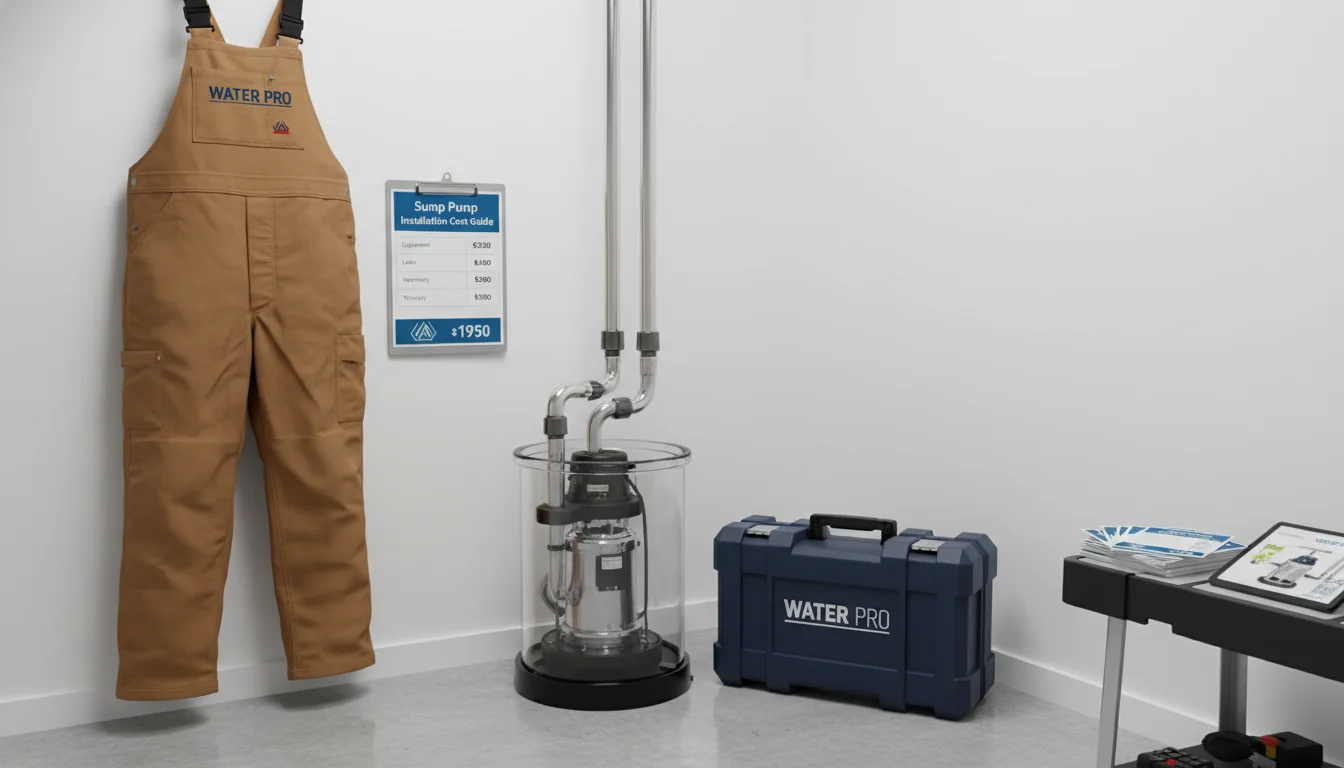
Understanding sump pump costs helps you budget appropriately and avoid overpaying. Here's what GTA homeowners typically pay in 2025:
Pump Costs (Equipment Only)
| Pump Type | Budget | Mid-Range | Premium |
|---|---|---|---|
| 1/3 HP Submersible | $150-$200 | $200-$350 | $350-$500 |
| 1/2 HP Submersible | $200-$300 | $300-$450 | $450-$600 |
| 3/4 HP Submersible | $300-$400 | $400-$550 | $550-$750 |
| Pedestal (any HP) | $100-$150 | $150-$250 | $250-$350 |
| Battery Backup | $300-$400 | $400-$600 | $600-$800 |
Installation Costs
Total Project Costs
| Project Type | Price Range | What's Included |
|---|---|---|
| Pump Replacement Only | $400-$800 | New pump, check valve, labor (existing pit) |
| New Installation (Basic) | $1,200-$2,000 | Pit excavation, pump, discharge line, electrical |
| New Installation (w/ Backup) | $2,000-$3,500 | Everything above + battery backup system |
| Add Battery Backup to Existing | $600-$1,200 | Backup pump, battery, charger, installation |
For a free, no-obligation quote on sump pump installation in Toronto, call Water Pro at (647) 554-4356. We provide upfront pricing with no hidden fees.
What Size Sump Pump Do You Need?
Undersized pumps run constantly and burn out quickly. Oversized pumps short-cycle (turn on and off rapidly), which also reduces lifespan. Here's how to size your sump pump correctly:
Horsepower Guidelines
- 1/4 HP: Very light duty, rarely appropriate for Toronto homes
- 1/3 HP: Standard for most homes with average water infiltration (35-40 GPM)
- 1/2 HP: Recommended for homes with moderate water problems or deeper pits (50-60 GPM)
- 3/4 HP to 1 HP: High water tables, frequent flooding, or commercial applications (60-90 GPM)
Factors Affecting Size Requirements
- Water table height: Homes in areas like The Beaches, Riverdale, or near the Don River often have high water tables requiring larger pumps.
- Basement depth: Deeper basements require more powerful pumps to push water upward (called "head height").
- Discharge line length: Longer discharge runs create more resistance, requiring stronger pumps.
- Pit size: Larger pits hold more water between cycles, affecting pump cycling frequency.
- Soil type: Toronto's clay soil drains slowly, sometimes increasing groundwater pressure.
💡 Pro Tip from Mike
When in doubt, go one size larger. A 1/2 HP pump costs only $50-$100 more than 1/3 HP but provides significant peace of mind. The pump will run shorter cycles and last longer. During our free estimate, we calculate the exact pump size based on your specific conditions.
Sump Pump Installation: What to Expect
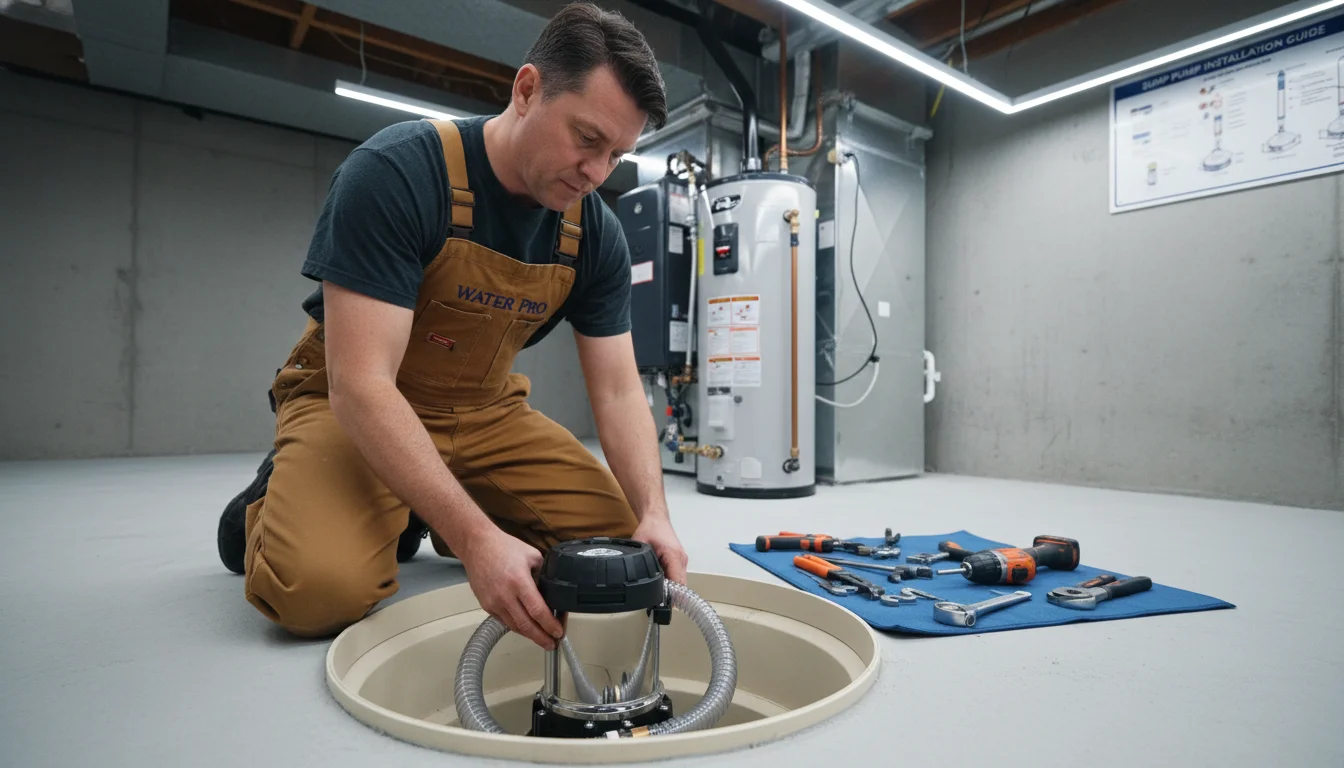
Whether you're replacing an existing pump or installing a complete new system, here's what the installation process involves:
Pump Replacement (Existing Pit)
Time: 1-2 hours
- Disconnect and remove old pump
- Inspect pit for cracks, debris, or damage
- Install new pump with proper float positioning
- Connect discharge line with new check valve
- Test operation with water fill
- Verify proper discharge away from foundation
New Installation (No Existing Pit)
Time: 4-8 hours
- Determine optimal location (lowest point of basement)
- Break through concrete floor (jackhammer)
- Excavate pit (typically 18-24" diameter, 24-30" deep)
- Install sump basin/liner with gravel base
- Pour new concrete around basin
- Install pump with float switch
- Run discharge line through foundation wall
- Install electrical outlet (if needed) with GFCI protection
- Connect to weeping tile system (if applicable)
- Test and verify operation
Toronto Permit Requirements
According to Toronto Building Code, new sump pump installations typically require a building permit when:
- Breaking through the foundation or concrete floor
- Installing new electrical circuits
- Connecting to the city's storm sewer system
Pump replacements in existing pits generally don't require permits. Water Pro handles all permit applications when needed—it's included in our installation service.
Sump Pump Maintenance: Extend Your Pump's Life
Regular maintenance is the difference between a pump that lasts 5 years and one that lasts 10+. Here's a complete maintenance schedule:
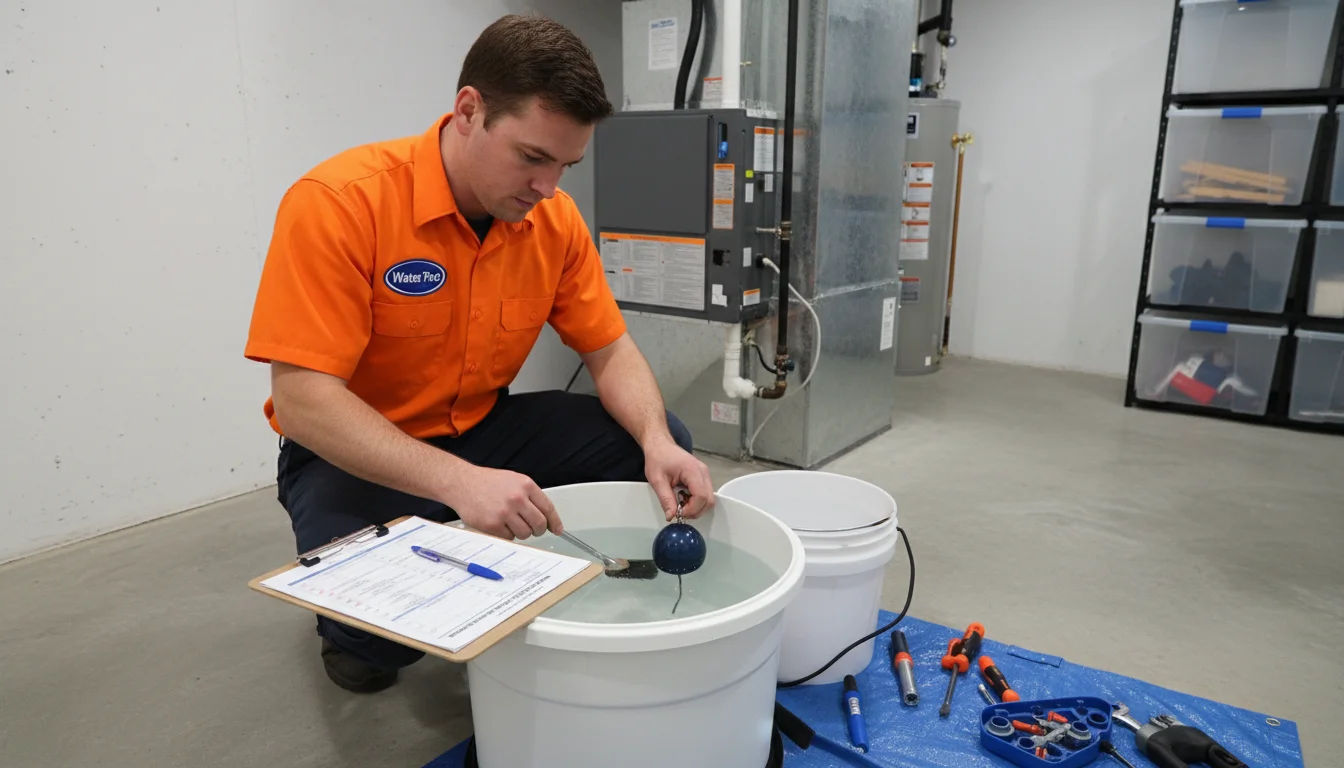
Quarterly Testing (Every 3 Months)
- Pour 5 gallons of water into the sump pit
- Verify the pump activates automatically
- Listen for unusual noises (grinding, rattling)
- Confirm water discharges properly outside
- Check that the pump shuts off after water level drops
Annual Maintenance
- Clean the inlet screen: Remove pump and clean debris from the intake
- Inspect the check valve: Ensure it's not stuck or leaking
- Check discharge line: Clear any blockages, especially before winter
- Test backup system: Unplug primary pump and verify backup activates
- Inspect pit: Remove sediment buildup from bottom of pit
- Check battery: Replace backup batteries every 3-5 years
Seasonal Considerations for Toronto
| Season | Maintenance Focus | Common Issues |
|---|---|---|
| Spring (Mar-May) | Full system test, clear winter debris | Heavy load from snowmelt |
| Summer (Jun-Aug) | Check discharge, test backup | Power outages during storms |
| Fall (Sep-Nov) | Prepare for winter, check antifreeze | Leaves blocking exterior discharge |
| Winter (Dec-Feb) | Verify discharge line isn't frozen | Frozen discharge lines |
⚠️ Frozen Discharge Lines: A Toronto Winter Hazard
If your discharge line freezes, water backs up and the pump runs constantly—burning out the motor. Signs: pump running but no water discharging, or water backing into pit immediately after pumping. For frozen line emergencies, call (647) 554-4356 immediately.
Common Sump Pump Problems and Solutions
Before calling a professional, try these troubleshooting steps for common sump pump issues:
Problem: Pump Won't Turn On
- Check power: Is the outlet working? Test with another device.
- Check GFCI: Reset the GFCI outlet if tripped.
- Check float: Manually lift the float—does the pump turn on?
- Check for debris: Something may be jamming the impeller.
Problem: Pump Runs Constantly
- Stuck float: Debris or positioning may prevent float from dropping.
- Check valve failure: Water flowing back into pit.
- Undersized pump: Can't keep up with water inflow.
- High water table: May need a more powerful pump.
- Plumbing leak: Water continuously entering pit from broken pipe.
Problem: Pump Is Noisy
- Rattling: Often vibration against pit or pipes—add padding.
- Grinding: Debris in impeller or bearing failure—needs service.
- Gurgling: Check valve issue or air in discharge line.
- Loud humming: Motor struggling—possible jam or capacitor failure.
Problem: Pump Cycles Too Frequently
- Float set too low: Adjust float to higher trigger level.
- Check valve leaking: Water draining back into pit.
- Pit too small: Consider enlarging sump pit.
If troubleshooting doesn't resolve the issue, or you're uncomfortable working with electrical components, call Water Pro at (647) 554-4356 for same-day sump pump service.
When to Replace Your Sump Pump
Sump pumps don't last forever. Here are the signs it's time for replacement:
- Age: Pumps over 7-10 years old should be replaced proactively
- Frequent cycling: Running on/off constantly (short cycling)
- Rust or corrosion: Visible deterioration on motor housing
- Strange noises: Grinding, rattling that wasn't there before
- Vibration: Excessive shaking indicates worn components
- Visible rust in discharge: Internal components corroding
- Motor won't start reliably: Intermittent operation
- Takes longer to empty pit: Reduced pumping capacity
💰 Cost of Waiting vs. Proactive Replacement
A basement flood from pump failure typically costs $10,000-$50,000+ in damage (flooring, drywall, belongings, mold remediation). Proactive pump replacement costs $400-$800.
Our recommendation: Replace your pump at year 7-8 even if it seems fine. The peace of mind and flood prevention is worth far more than the cost difference between reactive and proactive replacement.
Toronto Neighborhoods with High Sump Pump Needs
Certain Toronto neighborhoods have higher groundwater, flood-prone geography, or older infrastructure that makes sump pumps essential. If you live in one of these areas, battery backup is particularly important:
High Water Table Areas
- The Beaches: Proximity to Lake Ontario and high water table
- Riverdale/Leslieville: Near Don River, flood plain concerns
- High Park/Swansea: Low-lying areas near Humber River
- Mimico/New Toronto: Lake Ontario proximity, older homes
Older Neighborhoods with Drainage Issues
- East York: Aging combined sewers, clay soil
- Scarborough (older sections): Variable drainage quality
- North York (older areas): Mixed sewer infrastructure
- Etobicoke: Some areas with basement flooding history
Areas with Known Flooding History
- Rockcliffe-Smythe: History of basement flooding
- Black Creek area: Flood plain considerations
- Weston: Humber River proximity
Water Pro serves all these neighborhoods and understands the unique challenges in each area. We've installed thousands of sump pumps across the GTA since 2000. Call (647) 554-4356 for a consultation specific to your neighborhood.
Frequently Asked Questions
Sump pump costs in Toronto range from $400-$3,500 installed. Basic submersible pumps cost $400-$800, mid-range pumps $800-$1,500, and premium pumps with battery backup $1,500-$3,500. Installation labor adds $200-$500.
Quality sump pumps last 7-10 years with proper maintenance. Pedestal pumps may last slightly longer (10-15 years) since the motor isn't submerged. Replace your pump if it runs constantly, makes unusual noises, or is over 10 years old.
Many Toronto homes need sump pumps, especially in flood-prone areas like The Beaches, Riverdale, and basements below the water table. The City of Toronto recommends sump pumps for homes with basement flooding history or high groundwater.
Yes, battery backup is highly recommended for Toronto homes. Power outages during storms are common, and that's exactly when you need your sump pump most. Battery backups add $300-$800 but can prevent thousands in flood damage.
Test your sump pump quarterly by pouring water into the pit until the float activates. Clean the inlet screen annually, check the discharge line for blockages, and inspect the check valve yearly. Schedule professional inspection every 2-3 years.
Most Toronto homes need 1/3 HP to 1/2 HP sump pumps. Homes with high water tables, large basements, or frequent flooding may need 3/4 HP or 1 HP pumps. A 1/3 HP pump handles 35-40 gallons per minute; 1/2 HP handles 50-60 GPM.
Basic pump replacement in an existing pit is DIY-friendly. However, new installations requiring pit excavation, electrical work, or discharge line installation should be done by licensed professionals. Toronto building codes require permits for new sump pump installations.
Constant running usually indicates a stuck float switch, undersized pump, high water table, or plumbing leak. Check the float for debris first. If the problem persists, call a professional—continuous running burns out pumps quickly and signals potential issues.
The Bottom Line
For most Toronto homeowners, a 1/3 to 1/2 HP submersible sump pump with battery backup is the ideal setup. Budget $800-$1,500 for a quality primary pump installation or $1,500-$3,500 for a complete system with backup protection.
Don't wait until you have a flooded basement to think about your sump pump. Test it quarterly, maintain it annually, and replace it proactively at the 7-8 year mark. The small investment in proper sump pump care prevents catastrophic flood damage that costs tens of thousands of dollars.
If you're unsure whether your current pump is adequate, or you need a new installation, Water Pro provides free consultations and upfront pricing. We've been protecting Toronto basements since 2000.
Need Sump Pump Service?
Licensed plumbers available 24/7 across the GTA. Free estimates, upfront pricing.
📞 Call (647) 554-4356Same-day service • 90-day guarantee • 5,234+ families helped
Related Articles


About Mike Thompson
Master Plumber • License #MP-2847 • 28 Years Experience
Mike has installed over 2,000 sump pump systems across the Greater Toronto Area since 1996. He specializes in basement flood prevention and has helped develop Water Pro's comprehensive sump pump installation protocols. Member of the Canadian Institute of Plumbing & Heating (CIPH) and Ontario Plumbing Inspectors Association (OPIA).
🏆 2023 Best Plumber Award - Toronto Home Services • Featured in Toronto Star, BlogTO